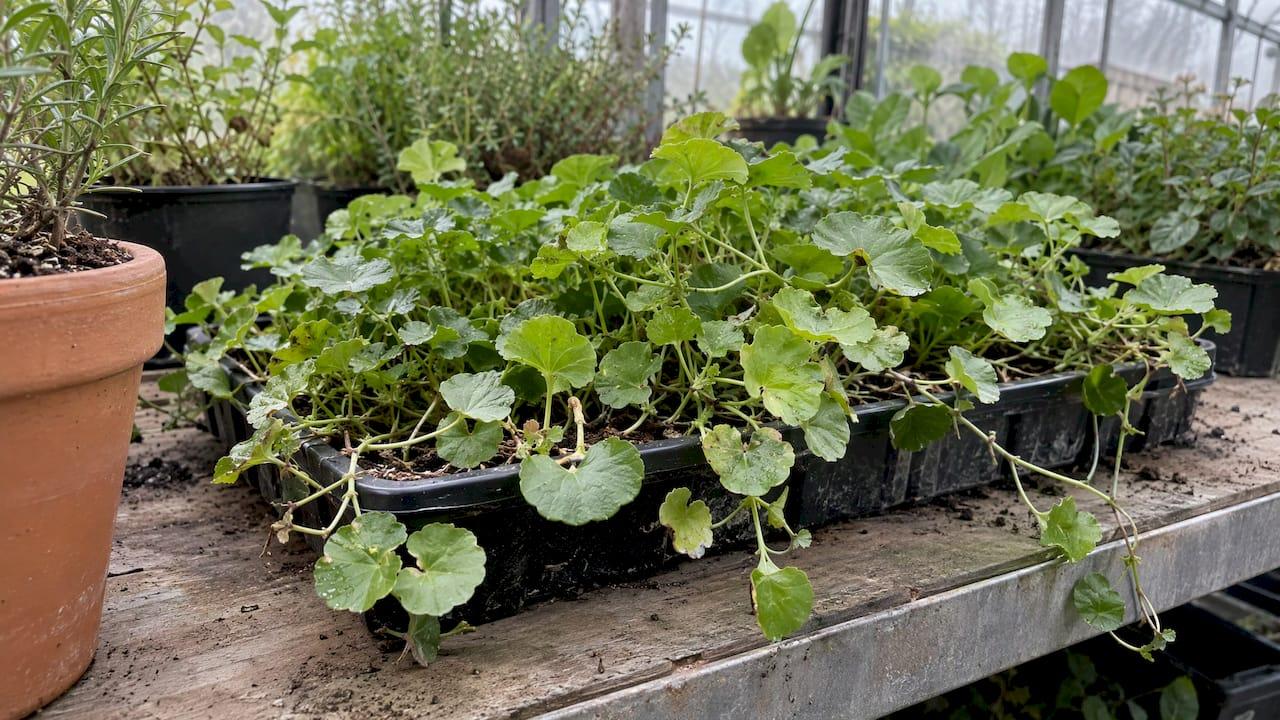
Centella asiatica, also called cica, gotu kola or tiger grass, is a plant extract used in skincare to calm redness, support the skin barrier and help skin recover from irritation. The strongest evidence is for wound healing and soothing. Evidence for wrinkles, acne and eczema is promising but still smaller. Most people tolerate it well, and a patch test covers the rare exceptions.
TL;DR
- Centella asiatica is a soothing, barrier-supporting botanical. It suits sensitive, reactive, dry and post-treatment skin.
- Wound healing is its best-documented benefit. Evidence for acne, eczema and wrinkles is encouraging but based on smaller studies.
- It is generally well tolerated. Rare allergic contact dermatitis is reported, so patch test first.
- It can be used once or twice daily and layers well under moisturizer or over a retinoid at night.
- Extract quality varies between products, so check the label and the brand's sourcing.
Table of Contents
- What centella asiatica is
- Is centella asiatica good for skin?
- Centella for sensitive skin
- Gotu kola, cica and centella: the same plant
- How to use centella in a routine
- Safety and patch testing
- Who benefits most
- Our perspective
- Build a calming routine with Yuka+Face
- FAQ
- Sources
What centella asiatica is
Centella asiatica is a creeping herb used for centuries in traditional medicine across Asia. In skincare it appears as an extract, as isolated compounds or as a standardized blend. The names you see on labels include cica, gotu kola, tiger grass, madecassoside, asiaticoside and asiatic acid.
The active compounds are triterpenes. A 2025 study in the Journal of Cosmetic Dermatology describes the extract as containing asiaticoside and flavonoids with antioxidant, anti-inflammatory and moisturizing properties.
Is centella asiatica good for skin?
For most skin types, yes, with a clear order of confidence. Here is what the research supports, from strongest to weakest.
Wound healing and scars
This is the best-documented use. A dermatologist's overview notes that studies suggest its active compounds may stimulate collagen synthesis and improve tensile strength at a wound site. A 2026 review in the Journal of Integrative Dermatology reports that early clinical and preclinical data point to improved healing of acute wounds, chronic ulcers and surgical scars, and less hypertrophic and keloid scarring.
Calming and barrier support
According to Cleveland Clinic, centella helps the skin barrier retain moisture and reduces redness and inflammation, which is why it is used for eczema-prone and rosacea-prone skin.
A 2025 observational study of 88 women with sensitive skin found that a cream with centella leaf extract, ceramide NP and panthenol lowered sensitive-skin scores by 66% after 2 weeks and 76% after 4 weeks. Side effects were mild and self-limiting. The cream had three active ingredients, so the result belongs to the formula and not to centella alone.

Hydration and fine lines
A 2020 systematic review of five double-blinded trials with 172 participants found that centella improved lip and periocular wrinkles and markedly raised skin hydration. It also recorded fewer adverse events than tretinoin. The authors say long-term safety and standardization still need to be established.
Acne, eczema and psoriasis
A 2021 review of the pharmacology confirms therapeutic effects on acne, burns, atopic dermatitis and wounds in lab and animal studies. It also states that more rigorously controlled long-term clinical trials are needed. The 2026 review above cites a meta-analysis with a pooled mean difference of -0.54 in acne lesion counts in favor of centella.
A dermatologist quoted by Healthline says that high-quality peer-reviewed studies on cica cream for eczema, psoriasis or acne are lacking. He adds that it is gentle enough, and its potential for wound healing significant enough, to be worth trying.
| Use | Strength of evidence | What to expect |
|---|---|---|
| Wound and scar care | Strongest, still developing | Support for healing and collagen |
| Calming redness and irritation | Good, mostly small studies | Less visible redness, comfort |
| Hydration | Moderate | Better moisture retention |
| Fine lines | Early | Modest change over weeks |
| Acne, eczema, psoriasis | Early to preclinical | Supportive soothing, not a treatment |
Centella for sensitive skin
Sensitive skin is where centella earns its reputation. A dermatologist's guide describes cica as generally gentle and well tolerated. She lists sensitive, reactive, dry or dehydrated skin, a weakened barrier, redness and skin recovering from cosmetic procedures as the best matches.
That last group matters. Healthline reports that one dermatologist recommends cica cream after procedures. She suggests applying it twice a day after washing for several days following a chemical peel or other facial treatment. Cleveland Clinic adds that centella is often added to products with harsher actives because it reduces the risk of side effects.
Centella is one of several calming ingredients. Our guide to calming skincare ingredients for irritated skin compares the others. If redness comes with a damaged barrier, see ingredients that support barrier recovery.
Gotu kola, cica and centella: the same plant
Searching for gotu kola for skin returns the same plant as centella asiatica. The words differ by context:
- Gotu kola is the herbal and supplement name.
- Cica is the K-beauty shorthand on skincare labels.
- Centella asiatica is the INCI (ingredient list) name.
- Madecassoside, asiaticoside, asiatic acid are the individual compounds.
The topical and oral uses are different things. Everything in this article concerns products applied to the skin.
How to use centella in a routine
A dermatologist-backed rule of thumb: once or twice daily, depending on the product and the rest of your routine, per the same guide. So yes, daily use is reasonable.
- Cleanse with a gentle, non-stripping cleanser.
- Apply a centella serum, essence or gel to damp skin.
- Seal with a moisturizer. Centella helps barrier moisture retention, and a moisturizer reinforces it.
- Add sunscreen in the morning.
For the full order of steps, see the correct order of skincare products. To build a routine from scratch, start with how to build a skincare routine.
Using it with retinoids and exfoliants
Centella is commonly paired with stronger actives. A Yale dermatologist quoted by Health.com recommends a centella balm over a retinoid at night, because retinoids can aggravate skin and centella helps reduce or prevent irritation. The same logic applies after exfoliating acids. Compare those in AHA vs BHA and retinoid timing in the aging skin routine.
There is no well-known ingredient that centella must never be combined with. Introduce one new active at a time, so you can tell what causes a reaction.
Centella or niacinamide?
They do different jobs and are not rivals. Centella is mainly a soothing and recovery ingredient. Niacinamide is a vitamin B3 derivative with barrier-supportive, anti-inflammatory and pigment-reducing effects, according to a published review of its mechanisms. Many routines use both: niacinamide for tone and oil balance, centella for comfort and recovery. If your main concern is redness or a reactive barrier, start with centella. If it is uneven tone or visible pores, start with niacinamide. Our guide to niacinamide with retinol covers how to layer it.
Safety and patch testing
Centella is safe for most people. The Expert Panel for Cosmetic Ingredient Safety concluded in 2023 that nine centella-derived ingredients are safe at current cosmetic use levels when formulated to be non-sensitizing. A 2026 review notes low irritation and sensitization rates in human studies using low-concentration extracts (0.018 to 0.2%).
Rare reactions do happen. Cleveland Clinic lists a burning sensation and contact dermatitis as the most common, and recommends a spot test on the inner arm for at least 24 hours before full use. A case report from 1985 documented contact dermatitis from a medical centella extract.
Cleveland Clinic also advises speaking to a dermatology provider first if you are under 18, pregnant or breastfeeding, have a history of liver problems such as hepatitis, or have a history of skin cancer.
Stop use and see a dermatologist if a patch test or full-face use causes burning, spreading redness, itching or swelling.
Extract quality
Not every cica product contains the same thing. A 2026 review points out that commercial formulations differ in extract composition, triterpenoid concentration, vehicle and purity. The safety panel also raised concern about pesticide residues and heavy metals in botanical ingredients. Both point to the same habit: choose brands that are open about sourcing and keep ingredient lists short. For a deeper look at how standardized Centella asiatica extract quality is described, an ingredient database gives the clinical background.
Who benefits most
- Sensitive or reactive skin: less visible redness and more comfort.
- Dry or dehydrated skin: better moisture retention.
- Retinoid or acid users: a buffer against irritation.
- Post-procedure skin: gentle support after peels and similar treatments, as advised by your provider.
- Oily or acne-prone skin: a light gel or essence texture works well. Healthline reports a dermatologist saying it suits all skin types, including acne and rosacea-prone.
Our perspective
We build skincare around short, transparent ingredient lists, barrier repair and sensitive skin. Centella asiatica fits that approach. It is a plant ingredient with a long record of use, and current research supports its role in calming skin and supporting recovery.
Our view is that results come from the whole routine. A gentle cleanser, a hydrating layer, a moisturizer and daily sunscreen protect the barrier. Calming botanicals work best on top of that base. Piling on actives does not.
We formulate vegan, cruelty-free products with Leaping Bunny certification, and we choose botanicals with the same care. Skin of every age benefits from simple steps done consistently. Our routines are built to be that simple.
Kelly
Build a calming routine with Yuka+Face
We offer vegan, cruelty-free, certified organic cleansers, toners, serums, oils, moisturizers and masks for all skin types, with a focus on sensitive skin and barrier repair. Start with a gentle base from the full shop, or choose a hydrating layer from our moisturizers and masks.

Not sure what to pick? A gift card, from $50, lets someone choose their own routine. The Yuka+Face home page shows every product line.
FAQ
Is centella asiatica good for your skin?
Yes, for most people. It calms redness, supports the barrier and has the best evidence for wound healing. Research on acne, eczema and wrinkles is promising but smaller. Patch test before regular use.
Is it okay to use centella asiatica every day?
Yes. A dermatologist's guide says once or twice daily is generally fine, depending on the product and the rest of your routine. If you use retinoids or acids, apply it after them or on the same night as a buffer.
What should you not pair with centella asiatica?
No common ingredient is known to clash with it, and it is often paired with retinoids and exfoliating acids to reduce irritation. Add one new product at a time so you can spot a reaction. If you get burning or a rash, stop and see a dermatologist.
Can centella cause side effects?
Rarely. The most common are burning and contact dermatitis. Test a small amount on the inner arm for at least 24 hours first. If you are pregnant, breastfeeding, under 18 or have liver problems, ask a dermatology provider before use.
Sources
- Efficacy and Safety of Centella Asiatica on skin: systematic review (PubMed, 2020)
- Skin Care Benefits of Centella Asiatica (Cleveland Clinic)
- What Is Cica? (Jane Yoo, MD)
- Sensitive skin study, Journal of Cosmetic Dermatology (PMC, 2025)
- Journal of Cosmetic Dermatology full text (Ovid, 2025)
- Review of dermatologic activity of Centella (Journal of Integrative Dermatology, 2026)
- Pharmacological Effects of Centella asiatica on Skin Diseases (PMC, 2021)
- Cica Cream: Definition, Uses, and Products to Try (Healthline)
- Centella Asiatica (Gotu Kola): Benefits, Uses, and More (Health.com)
- Safety Assessment of Centella asiatica-Derived Ingredients (International Journal of Toxicology, 2023)
- Contact dermatitis due to madecassol (PubMed, 1985)
- Niacinamide references in patent literature (USPTO)
- Centevita Centella asiatica extract (NutraSmarts)