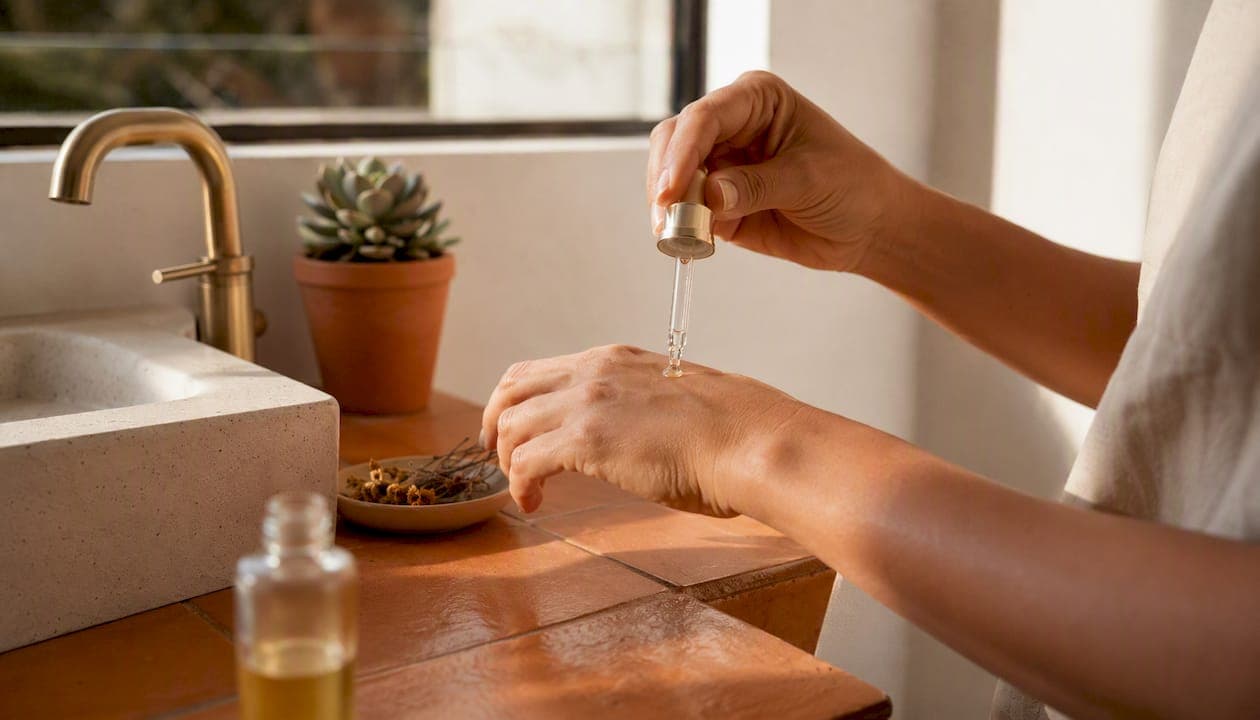
Dermatology products are medical-grade or dermatologist-recommended formulations built around clinically tested active ingredients at concentrations that deliver measurable results. Three actions to take now: check the active ingredient and its concentration on the label, match the product to your specific skin concern, and confirm clinical evidence or a dermatologist endorsement before buying.
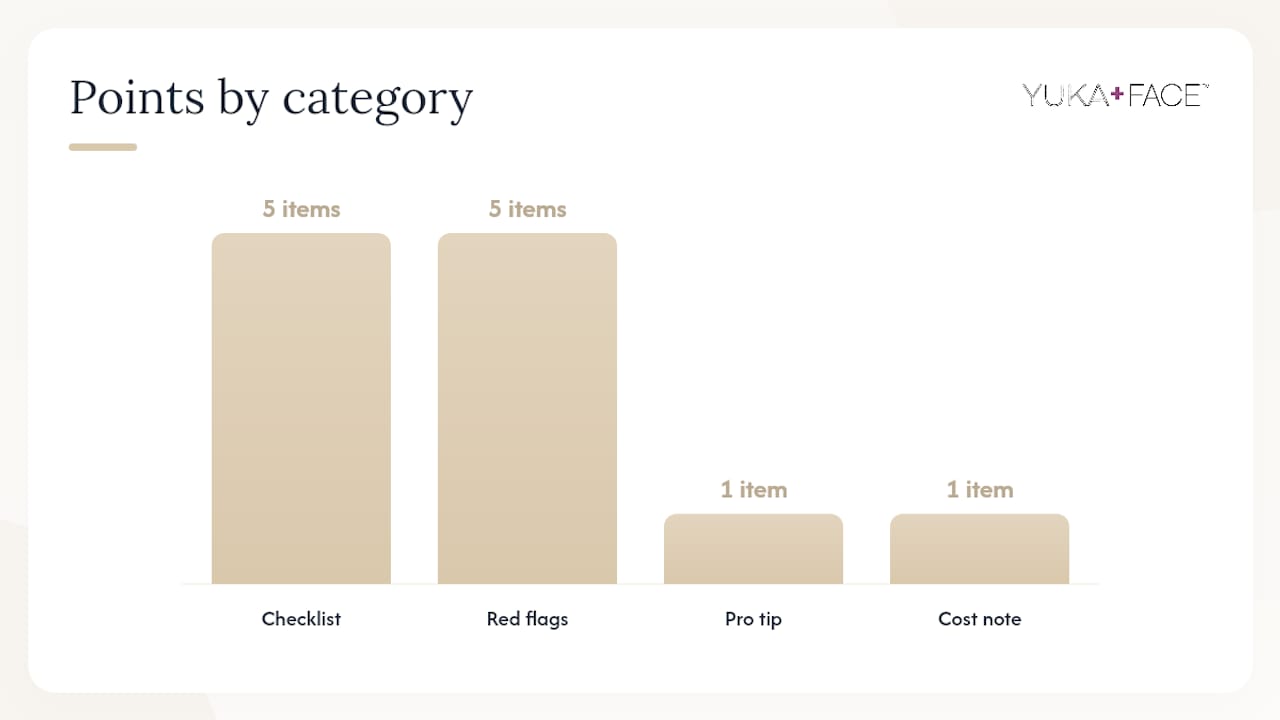
- Check actives and concentrations. Look for named ingredients (retinol, niacinamide, hyaluronic acid) with stated percentages. Vague "proprietary blend" language is a red flag.
- Match to your concern. Acne, dryness, hyperpigmentation, and aging each call for different actives. A product built for oily, acne-prone skin will not serve dry, sensitive skin well.
- Verify evidence or endorsement. Clinical references, dermatologist formulation notes, or professional distribution channels signal a product built to perform. Yuka+Face products are formulated with ingredient transparency and botanical evidence as core standards.
Table of Contents
- What do "dermatology products" and "medical-grade skincare" actually mean?
- Which active ingredients do dermatologists recommend most?
- How do you choose dermatologist-recommended skincare products?
- Sample routines by skin concern
- Yuka+Face products for common skin concerns
- Key Takeaways
- The case for evidence-backed, ethical formulations
- Shop Yuka+Face: vegan, dermatologist-informed skincare
- Useful sources
- FAQ
What do "dermatology products" and "medical-grade skincare" actually mean?
The term medical-grade skincare refers to formulations with higher active concentrations, clinical testing, and professional distribution that set them apart from standard over-the-counter (OTC) cosmetics. In practice, shoppers encounter three distinct categories:
- OTC cosmetics (drugstore and department store products): regulated by the FDA as cosmetics, not drugs. They must be safe but are not required to prove efficacy. Active concentrations are often lower to stay within cosmetic-use limits.
- Medical-grade / dermatologist-recommended products: formulated with higher active concentrations, often backed by published clinical data, and sold through dermatology offices, licensed spas, or vetted e-commerce channels. They are not prescription drugs, but they are held to a stricter formulation standard.
- Prescription-only treatments: regulated as drugs by the FDA. Examples include tretinoin (prescription retinoid), clindamycin for acne, and hydroquinone above 2%. These require a licensed provider's order.
Signals that a product is genuinely medical-grade or dermatologist-recommended:
- Active ingredient names and concentrations listed on the label (not buried in a proprietary blend)
- Published clinical references or peer-reviewed study citations
- Formulated or endorsed by a board-certified dermatologist
- Sold through professional or licensed channels, not only mass-market retail
- Packaging that protects active stability (airless pumps, opaque bottles for vitamin C and retinoids)
The distinction matters for buyers because a product marketed as "clinical" without any of these signals is often just a cosmetic with upgraded packaging.
Which active ingredients do dermatologists recommend most?
The priority actives to scan for on any label: retinoids, vitamin C, hyaluronic acid, peptides, AHAs/BHAs, niacinamide, ceramides, and broad-spectrum SPF. Each targets a specific concern, and knowing how to use them prevents irritation and wasted product.
-
Retinoids (retinol, retinal, bakuchiol as a natural alternative). Function: accelerate cell turnover, stimulate collagen, reduce fine lines and dark spots. Use PM only. OTC retinol is available at low concentrations; prescription tretinoin is stronger and requires a provider. Introduce slowly: two nights per week for two to four weeks before increasing frequency. Do not layer with AHAs/BHAs on the same night. Bakuchiol, a plant-derived retinoid alternative, offers similar cell-renewal benefits with less irritation and is suitable for sensitive skin. Yuka+Face's Bakuchiol Ageless Serum is built around this active.
-
Vitamin C (L-ascorbic acid and stable derivatives). Function: antioxidant protection, brightening, collagen support. Use AM before SPF. Effective concentrations typically fall within ranges that are generally recognized as effective for L-ascorbic acid. Unstable in light and air; look for opaque or airless packaging. Do not mix with niacinamide in the same step if you notice flushing. A science-backed guide to vitamins in skincare covers stable derivatives worth knowing.
-
Hyaluronic acid. Function: draws moisture into the skin, plumps fine lines temporarily. Use AM and PM on damp skin, then seal with a moisturizer. Works for all skin types, including oily and acne-prone.
-
Peptides. Function: signal proteins that support collagen and elastin production. Use AM or PM; they layer well with most actives. No significant irritation risk. Peptides in organic skincare explains how botanical formulations incorporate them effectively.
-
AHAs (glycolic, lactic acid) and BHAs (salicylic acid). Function: chemical exfoliation. AHAs resurface and brighten; BHAs penetrate pores and suit acne-prone skin. Use PM, two to three times per week maximum for sensitive skin. Do not combine with retinoids on the same night. Always follow with SPF the next morning. For product comparisons across exfoliant types, facial exfoliation products is a useful reference.
-
Niacinamide. Function: reduces redness, minimizes pores, controls sebum, fades dark spots. Use AM or PM. Niacinamide is used at concentrations generally well-tolerated by most skin types, including sensitive.
-
Ceramides. Function: restore and reinforce the skin barrier. Critical for eczema-prone and dry skin. Use AM and PM in moisturizers. No irritation risk; suitable for all ages.
-
Broad-spectrum SPF 30+. Function: prevents UV-induced aging, hyperpigmentation, and skin cancer. Use every morning as the final step. Non-negotiable when using any exfoliant, retinoid, or vitamin C.
Pro Tip: When introducing a potent active like a retinoid or AHA, start with one application per week and increase by one night per week every two weeks. This "low and slow" approach prevents the barrier disruption that causes most people to abandon effective products.
Prescription-strength retinoids (tretinoin, tazarotene) require a dermatologist visit. If OTC retinol at 0.5% causes persistent redness after four weeks, that is the signal to consult a board-certified dermatologist rather than push through.
How do you choose dermatologist-recommended skincare products?
A five-point checklist cuts through marketing noise and focuses the decision on what actually matters.
- Active ingredient and stated concentration. The label must name the active and list its percentage. "Contains retinol" with no percentage is insufficient.
- Clinical evidence. Look for peer-reviewed citations, published study references, or formulation notes from a named dermatologist. A brand's own before-and-after photos are not clinical evidence.
- Packaging and formulation stability. Vitamin C and retinoids degrade in light and air. Airless pumps and opaque bottles are functional requirements, not premium extras.
- Dermatologist endorsement or professional distribution. Products sold through licensed dermatology offices, medical spas, or vetted professional channels carry an implicit quality filter.
- Fit for your skin type and concern. A high-concentration glycolic acid product is appropriate for resilient, oily skin. It is not appropriate as a first step for rosacea-prone or barrier-compromised skin.
Red flags to avoid:
- "Clinically proven" with no study citation or reference number
- Active concentrations hidden inside a proprietary blend
- Claims like "erases wrinkles in 24 hours" or "replaces Botox"
- Daytime-use actives (AHAs, retinoids) with no SPF guidance
- No ingredient list, or an ingredient list that buries actives at the bottom
Pro Tip: Search the product name plus "clinical study" or "INCI list" before buying. Legitimate medical-grade brands make their formulation data findable. If you cannot locate a study or a stated concentration after two minutes of searching, treat the product as OTC cosmetic-grade.
On cost: medical-grade and dermatologist-recommended products typically carry higher price points than mass-market cosmetics, reflecting higher active concentrations, stability-focused packaging, and formulation research. That premium is justified when the product delivers a named active at a documented concentration. It is not justified by packaging alone.
Sample routines by skin concern
Routines work when they match actives to concerns and sequence products correctly. The principle: focus on targeted actives per routine, barrier support always included, and consistent use of SPF every morning.
Anti-aging
Retinoid PM + antioxidant AM + daily SPF.
- Evening: Gentle cleanser, retinol or bakuchiol serum introduced gradually, barrier moisturizer with ceramides. See the morning skin care routine guide for AM sequencing. For mature skin specifics, how to care for mature skin covers product selection in detail.
Acne
BHA PM + niacinamide AM + oil-free SPF.
- Morning: Gentle foaming cleanser, niacinamide serum (5–10%), lightweight oil-free moisturizer, non-comedogenic SPF 30+.
- Evening: Gentle cleanser, salicylic acid treatment (BHA, 1–2%), light gel moisturizer.
- Use BHA two to three nights per week initially. Do not layer with retinoids on the same night. Consult a dermatologist if acne is cystic or does not respond to OTC actives within eight weeks.
Sensitive skin
Ceramides + niacinamide, no strong acids.
- Morning: Fragrance-free cream cleanser, niacinamide serum (4%), ceramide moisturizer, mineral SPF 30+.
- Evening: Cream cleanser, ceramide moisturizer, occasional gentle lactic acid (once per week maximum).
- Patch test every new product on the inner arm for 48 hours before full-face use. Avoid fragrance, alcohol, and essential oils in leave-on products.
Hyperpigmentation
Vitamin C AM + AHA or retinoid PM + daily SPF (non-negotiable).
- Morning: Gentle cleanser, vitamin C serum (10–15%), moisturizer, SPF 50.
- Evening: Gentle cleanser, AHA toner or retinol serum (alternate nights), moisturizer.
- SPF is the single most important step for hyperpigmentation. UV exposure undoes brightening actives faster than they can work.
Dryness and barrier repair
Hyaluronic acid + ceramides, fragrance-free throughout.
- Morning: Cream cleanser, hyaluronic acid serum on damp skin, rich ceramide moisturizer, SPF 30+.
- Evening: Cream cleanser, hyaluronic acid serum, occlusive ceramide moisturizer or facial oil to seal.
- Avoid hot water, foaming sulfate cleansers, and alcohol-based toners. The hydration and restoration guide covers barrier repair product selection.
When to see a dermatologist: If a concern does not improve after eight to twelve weeks of a consistent routine, or if you are planning an in-office procedure, book a consultation. Tell the provider your current products, any known sensitivities, and any procedures scheduled. That information directly affects what they recommend and what to pause.
Yuka+Face products for common skin concerns
Yuka+Face formulations align with medical-grade buying criteria: named active ingredients, transparent formulation notes, vegan and cruelty-free standards, and botanical evidence supporting each active. No synthetic fillers, no hidden concentrations.
| Product | Key Benefit | Best For | Routine Slot | Frequency |
|---|---|---|---|---|
| Bakuchiol Ageless Serum | Plant-based retinoid alternative; cell renewal, fine lines | Anti-aging, sensitive skin | PM | 3–4 nights/week to start |
| Nighttime Ageless Peptide Serum | Peptide-rich collagen support, overnight repair | Anti-aging, mature skin | PM | Nightly |
| Cleanser | Gentle, barrier-safe cleanse | All skin types | AM + PM | Daily |
| Toner / Essence | Hydrate + tone, prep skin for actives | All skin types | AM + PM | Daily |
| Moisturizer | Barrier support, seal in actives | Dry, sensitive, all types | AM + PM | Daily |
| Face Mask | Targeted treatment, deep hydration or clarifying | Dryness, dullness, oily | Weekly | 1–2x/week |
| Exfoliator | Resurface, smooth texture | Dullness, uneven tone | PM | 2–3x/week max |
The Bakuchiol Duo bundles the Ageless Serum with a complementary formulation for a complete anti-aging step, and the Nighttime Ageless Peptide Serum slots directly into the PM routine for mature or aging-concerned skin. For routine timing and product ordering, what and when in vegan skincare maps the full sequence.
Key Takeaways
Dermatologist-recommended skincare works when you match named actives at stated concentrations to your specific concern, verify clinical evidence, and support any in-office procedures with a consistent daily routine.
| Point | Details |
|---|---|
| Check actives and concentrations | Named ingredients with stated percentages are the minimum standard for any medical-grade product. |
| Match routine to concern | Anti-aging, acne, sensitivity, hyperpigmentation, and dryness each require different actives and sequences. |
| Verify evidence and endorsement | Clinical references, dermatologist formulation notes, or professional distribution distinguish real medical-grade from marketing. |
| Patch test and introduce slowly | New actives, especially retinoids and AHAs, should be introduced one at a time to avoid barrier disruption. |
| Yuka+Face for vetted natural picks | Yuka+Face offers ingredient-transparent, vegan, cruelty-free formulations including the Bakuchiol Ageless Serum and Nighttime Ageless Peptide Serum for anti-aging routines. |
The case for evidence-backed, ethical formulations
The skincare market is full of products that borrow clinical language without clinical substance. "Dermatologist-tested" can mean a single dermatologist reviewed the formula once. "Clinically proven" can mean an in-house consumer perception study. These phrases are not meaningless but are not the same as peer-reviewed evidence or formulation transparency.
What actually separates a product worth buying from one that is not: named actives at documented concentrations, packaging that preserves stability, and a formulation philosophy that does not hide behind proprietary blends. Vegan and cruelty-free standards add an ethical layer, but they also tend to correlate with cleaner ingredient lists because the formulation process demands more scrutiny of every component.
Yuka+Face builds from that position. The brand's commitment to 100% natural, vegan, and cruelty-free formulations is not a marketing add-on. It shapes which actives are selected, how they are sourced, and how concentrations are balanced for all skin types and ages. Botanical research and scientific expertise are not opposites. Bakuchiol is the clearest example: a plant-derived active with published evidence for retinoid-like cell renewal, suitable for skin that cannot tolerate synthetic retinoids.
The broader point for shoppers: ethical formulation standards and clinical effectiveness are not in tension. The best products deliver both.
Shop Yuka+Face: vegan, dermatologist-informed skincare
Yuka+Face offers vegan, cruelty-free, natural skincare built around ingredient transparency and botanical evidence. Every formulation is created for all skin types and ages, with no synthetic fillers and no hidden concentrations.
The morning skincare routine page pairs AM products into a ready-to-use sequence. For anti-aging specifically, the Bakuchiol Ageless Serum is the direct starting point: a plant-based retinoid alternative with cell-renewal and fine-line benefits, suitable for sensitive skin. The vegan skincare guide covers the full Yuka+Face philosophy for shoppers who want to understand the formulation standards before buying.
Products ship direct via the Yuka+Face online store. Browse the full range, build a routine by concern, or start with a single targeted serum. Visit yukaface.com to shop now.
Useful sources
- Best Cosmetic Treatments to Refresh Your Skin in 2026
- Cosmetic Dermatology | Department of Dermatology | UC Davis Health
- Skin Resurfacing Treatments | American Board of Cosmetic Surgery
- The 5 Most Popular Skin Treatments | Cosmetic Dermatology
- Top Dermatologist-Recommended Treatments for Wrinkles
FAQ
What are dermatology products?
Dermatology products are medical-grade or dermatologist-recommended formulations with clinically tested active ingredients at concentrations above standard OTC cosmetics. They are backed by clinical evidence, professional distribution, or dermatologist endorsement.
Which skincare brands do dermatologists recommend?
Dermatologists recommend products based on active ingredients, clinical evidence, and fit for the patient's skin concern rather than a single brand. Yuka+Face offers ingredient-transparent, vegan formulations including bakuchiol and peptide serums that align with dermatologist-informed buying criteria.
What are the best products for acne and sensitive skin?
For acne, look for salicylic acid (BHA) and niacinamide. For sensitive skin, ceramides and fragrance-free hyaluronic acid formulations are the standard recommendation. Patch testing every new product before full-face use applies to both concerns.
How do dermatology products differ from regular skin care products?
Medical-grade and dermatologist-recommended products list named actives with stated concentrations, use stability-focused packaging, and are backed by clinical data. Standard OTC cosmetics are regulated for safety but not required to prove efficacy, and active concentrations are often lower.
Do I need a dermatologist to buy medical-grade skincare?
No. Many medical-grade and dermatologist-recommended products are available through vetted e-commerce channels and licensed spas without a prescription. Prescription-strength actives like tretinoin require a provider's order. For complex concerns or planned in-office procedures, a board-certified dermatologist consultation is recommended.