
TL;DR:
- Daily mature skin care requires gentle cleansing, consistent moisturization, and broad-spectrum sun protection to prevent aging. Incorporating retinoids, vitamin C, and barrier-supporting ingredients enhances resilience and appearance over time. Lifestyle habits like hydration, nutrition, sleep, and sun avoidance significantly support skin elasticity after 40.
Mature skin is defined by reduced collagen production, decreased oil output, and a slower cell turnover rate that together cause dryness, fine lines, and uneven tone. Knowing how to care for mature skin means building a daily routine around three non-negotiable pillars: gentle cleansing, consistent moisturization, and broad-spectrum sun protection. Add targeted actives like retinoids and vitamin C, and you have a science-backed framework that genuinely improves skin resilience and appearance over time. This guide covers every layer of that framework, from morning routine steps to ingredient selection to lifestyle habits that support skin elasticity after 40.
What daily skincare routine should adults 40+ follow?
A core mature skin routine requires gentle cleansing, daily moisturization, and broad-spectrum SPF 30 or higher. These three steps protect collagen and elastin, the structural proteins that keep skin firm and plump. Skipping any one of them consistently accelerates visible aging faster than almost any other factor.
Follow this sequence every morning:
- Cleanse with a mild, fragrance-free cleanser. Use lukewarm water, not hot. Hot water strips the skin's natural oils, which are already in shorter supply after 40. A gentle cleansing approach preserves the moisture barrier instead of dismantling it.
- Apply a hydrating serum. Hyaluronic acid serums work best on slightly damp skin, where they pull moisture into the surface layer. Pat, don't rub.
- Moisturize immediately after. Apply a fragrance-free moisturizer while skin is still slightly damp to lock in hydration. Look for formulas containing ceramides, glycerin, or shea butter.
- Apply broad-spectrum sunscreen. Use SPF 30 or higher. Apply it 15 minutes before sun exposure and reapply every two hours or after sweating. Most people apply far less than the recommended 2 mg per square centimeter, which cuts protection significantly.
- Add antioxidants. Vitamin C serum applied in the morning neutralizes free radical damage from UV and pollution before it degrades collagen.
For your evening routine, swap sunscreen for a retinoid or a nourishing night cream. Cleanse again to remove sunscreen, makeup, and pollutants. Over-exfoliation damages the skin barrier and triggers inflammation, so limit exfoliation to one or two times per week at most.
Pro Tip: Set your moisturizer and sunscreen next to each other on the bathroom counter. The physical proximity removes the mental step of deciding whether to apply them, which makes consistency far more likely.
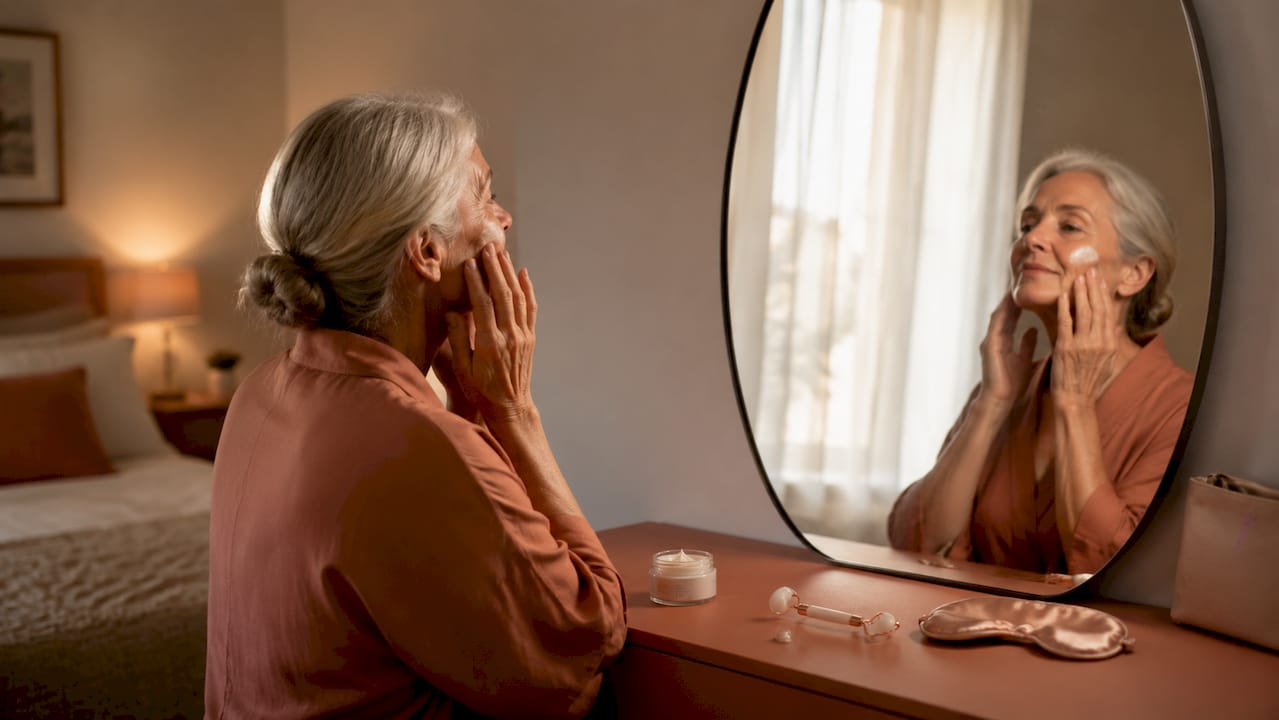
Which ingredients work best for aging skin?
The right ingredients make the difference between a routine that maintains skin and one that actively improves it. Mature skin needs hydrators, barrier builders, antioxidants, and cell-turnover actives working together.
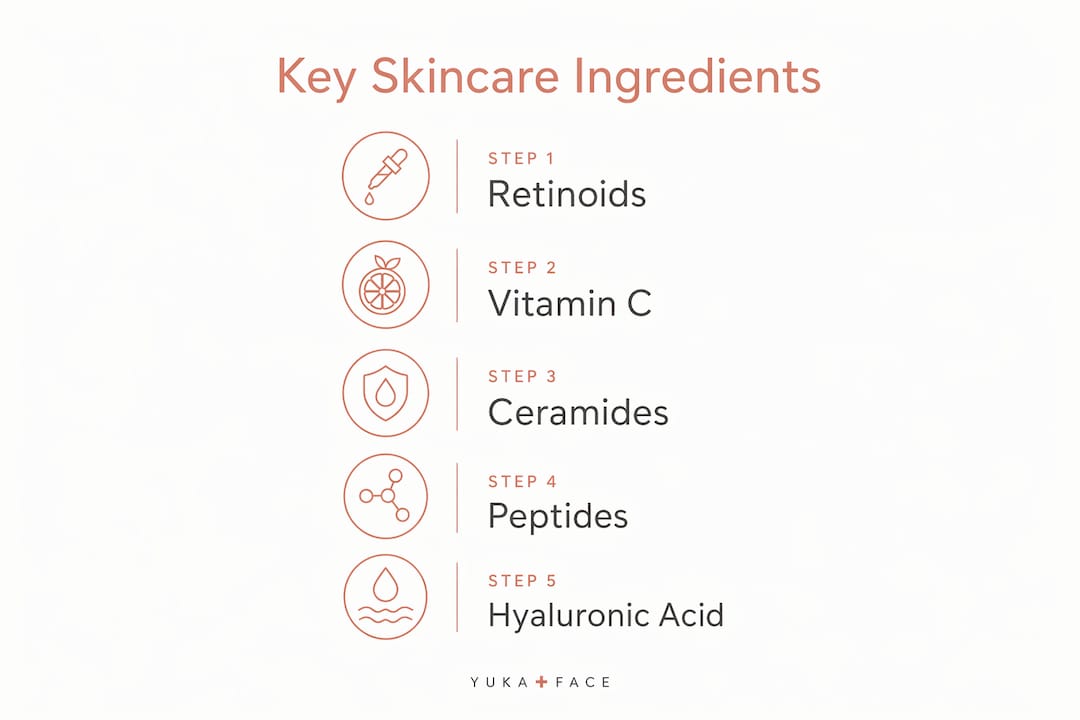
| Ingredient | Primary benefit | Best format | Caution |
|---|---|---|---|
| Retinoids | Reduce fine lines, improve cell turnover | Night serum or cream | Start 2x per week; irritation is common initially |
| Hyaluronic acid | Binds water, plumps surface | Serum or essence | Apply to damp skin for best absorption |
| Vitamin C | Antioxidant protection, brightens tone | Morning serum | Unstable in light; store in opaque packaging |
| Niacinamide | Strengthens barrier, reduces redness | Serum or moisturizer | Well-tolerated; pairs well with most actives |
| Zinc oxide / Titanium dioxide | Physical UV barrier | Sunscreen | Well-tolerated physical filters with strong safety profiles |
Retinoids are the most studied anti-aging topical available without a prescription. They improve photoaging signs but require a slow introduction. Start with a low-concentration retinol two nights per week, then build frequency over six to eight weeks as tolerance develops. Applying a moisturizer before retinol, known as the sandwich method, reduces irritation without meaningfully reducing efficacy.
Hyaluronic acid improves moisture retention and surface plumpness, which directly reduces the appearance of fine lines caused by dehydration. It is one of the few ingredients that delivers visible results quickly, often within days of consistent use.
Avoid products with synthetic fragrance, alcohol listed high in the ingredient deck, or physical scrubs with sharp particles. These ingredients irritate mature skin, compromise the barrier, and undo the work of your actives.
- Choose fragrance-free formulas across your entire routine
- Prioritize ceramide-containing moisturizers for barrier repair
- Use serums for mature skin before moisturizer, not after
- Select physical sunscreens with zinc oxide or titanium dioxide if chemical filters cause sensitivity
- Read ingredient lists from top to bottom: the first five ingredients make up the bulk of the formula
How to address dryness, wrinkles, and age spots
Dryness is the most common complaint in mature skin care, and it has a specific cause. Sebaceous glands produce less oil with age, and the skin's natural moisturizing factors decline. The fix is not one heavy cream applied once a day. It is a layered approach: humectant serum, then emollient moisturizer, then occlusive barrier on top if needed.
Dry skin between folds and in areas prone to friction requires extra attention. The NIH National Institute on Aging recommends drying skin thoroughly between folds after bathing and applying a protective ointment to prevent irritation and inflammation. This is a detail most skincare articles skip, but it matters significantly for comfort and skin integrity.
For wrinkles, retinoids remain the gold standard topical treatment. Consistent use over three to six months produces measurable improvements in fine lines and skin texture. Niacinamide supports this process by strengthening the barrier and reducing redness that retinoids sometimes cause.
Age spots, also called solar lentigines, respond to several approaches:
- Vitamin C serum applied daily brightens existing spots and prevents new pigment formation
- Alpha hydroxy acids (AHAs) like glycolic acid or lactic acid accelerate cell turnover and fade surface discoloration with careful exfoliation limited to one or two times per week
- Azelaic acid reduces melanin production and suits sensitive skin well
- Professional treatments including chemical peels and laser therapy produce faster results but require a dermatologist consultation to assess suitability for your skin tone and condition
Pro Tip: Apply vitamin C serum every morning before sunscreen. The combination of antioxidant protection plus UV filtering creates a stronger defense against the UV-driven pigmentation that causes most age spots.
Consult a dermatologist if spots change shape, darken rapidly, or develop irregular borders. These changes require medical evaluation, not a skincare product.
What lifestyle habits support skin elasticity after 40?
Topical products work on the surface. Lifestyle habits work from the inside out, and skin elasticity depends on both. No serum compensates for chronic dehydration, poor sleep, or a diet low in the nutrients that build collagen and elastin.
These habits produce measurable improvements in skin health over time:
- Hydration. Drink enough water to keep urine pale yellow. Dehydrated skin looks duller, feels tighter, and shows fine lines more prominently. The hydration and moisturization relationship works best when internal and topical hydration work together.
- Nutrition. Vitamin C from citrus, bell peppers, and leafy greens supports collagen synthesis directly. Protein from lean meats, legumes, and eggs provides the amino acids collagen is built from. Antioxidants from berries and green tea reduce oxidative stress that breaks down skin structure.
- Sleep. Skin repairs itself during deep sleep. Chronic sleep deprivation elevates cortisol, which breaks down collagen and impairs the barrier. Seven to nine hours per night is not a luxury for mature skin. It is a functional requirement.
- Sun avoidance. UV exposure breaks down collagen and elastin and causes DNA damage. Wearing UPF-rated clothing, wide-brim hats, and seeking shade between 10 a.m. and 4 p.m. reduces cumulative UV load beyond what sunscreen alone achieves.
- No smoking. Smoking constricts blood vessels in the skin, reducing oxygen and nutrient delivery. It also directly degrades collagen. The visible result is accelerated wrinkling, particularly around the mouth.
- Exercise. Regular aerobic exercise improves circulation, which delivers oxygen and nutrients to skin cells. Studies show that regular exercisers in their 40s and beyond have skin composition closer to that of people decades younger.
Stress management belongs on this list too. Chronic stress elevates cortisol, which suppresses collagen production and worsens inflammatory skin conditions. Practices like meditation, yoga, and consistent sleep schedules reduce cortisol levels and show up visibly in skin quality over months.
Key takeaways
Caring for mature skin requires daily SPF, a barrier-supportive moisturizer, and gradual introduction of actives like retinoids and vitamin C for lasting results.
| Point | Details |
|---|---|
| SPF is non-negotiable | Apply broad-spectrum SPF 30 or higher every morning and reapply every two hours outdoors. |
| Layer your hydration | Use a hyaluronic acid serum on damp skin, then seal with a ceramide-rich moisturizer. |
| Introduce retinoids slowly | Start two nights per week at a low concentration to build tolerance before increasing frequency. |
| Lifestyle drives elasticity | Hydration, sleep, nutrition, and no smoking support collagen from the inside out. |
| Exfoliate with caution | Limit chemical exfoliants to one or two times per week to protect the skin barrier. |
What I've learned after years of watching mature skin routines succeed and fail
The most common mistake I see is treating mature skin care as a product problem. People spend significant money on serums and creams while sleeping five hours a night, skipping sunscreen on cloudy days, and using the same exfoliating scrub they used at 25. The products cannot compensate for those gaps.
Sunscreen is the one step that cannot be skipped or substituted. Photoprotection is foundational to every other anti-aging effort. Retinoids, vitamin C, and professional treatments all produce better results on skin that is not being continuously damaged by UV exposure. Without consistent sun protection, you are filling a bucket with a hole in it.
The second thing I would tell anyone starting a mature skin routine: your skin will tell you when something is wrong. Redness, stinging, and peeling that persists beyond the first two weeks of a new active are not signs of the product "working." They are signs of barrier disruption. Pause the active, rebuild with a simple moisturizer for a week, then reintroduce at a lower frequency. Patience here is not passive. It is the strategy.
Finally, do not underestimate the value of a personalized routine. Mature skin is not a monolith. Oily mature skin, dry mature skin, and sensitive mature skin each need different formulations and different active concentrations. A dermatologist consultation is worth the investment if you have persistent concerns that a basic routine has not resolved.
— Kelly
Yukaface natural skincare for mature skin
Yukaface formulates every product with botanical actives, vegan ingredients, and zero synthetic fragrance, making the range well-suited for the mature skin barrier.

The Yukaface morning routine covers the full sequence: gentle cleanser, hydrating serum, moisturizer, and SPF-ready barrier support. Each product is built around the principle that aging skin needs nourishment, not stripping. For deeper hydration guidance, the hydration and restoration guide explains how to layer products for maximum moisture retention. If you are exploring a fully plant-based approach to mature skin care, the vegan skincare guide covers ingredient sourcing, formulation ethics, and product selection for every skin type and age.
FAQ
What is mature skin care?
Mature skin care refers to a skincare routine designed for skin that has experienced age-related changes including reduced collagen, decreased oil production, and slower cell turnover. The focus is on gentle cleansing, deep hydration, sun protection, and targeted actives that support skin structure.
How often should mature skin be exfoliated?
Mature skin should be exfoliated no more than one to two times per week. Over-exfoliation impairs the skin barrier and causes irritation, which is harder for aging skin to recover from than younger skin.
What SPF should adults over 40 use?
Adults over 40 should use broad-spectrum sunscreen with at least SPF 30 every day, including overcast days. Applying the correct amount, approximately 2 mg per square centimeter of skin, and reapplying every two hours outdoors is as important as the SPF number itself.
Do retinoids actually work for mature skin?
Yes. Retinoids are the most clinically supported topical ingredient for reducing fine lines and improving skin texture in mature skin. They must be introduced gradually, starting at low concentrations two nights per week, to minimize irritation.
What foods support skin elasticity after 40?
Foods rich in vitamin C, protein, and antioxidants directly support collagen and elastin production. Citrus fruits, leafy greens, lean proteins, and berries are among the most effective dietary sources for maintaining skin elasticity after 40.