
TL;DR:
- Vitamin C is essential for collagen synthesis, acting as a cofactor for enzymes that stabilize the collagen triple helix. Topical application delivers higher local concentrations to skin fibroblasts than systemic intake, making it more effective for skin collagen stimulation. Regular use of stable, well-formulated vitamin C products, combined with proper diet, supports healthy skin and collagen production.
Vitamin C is essential for collagen synthesis. Without it, collagen production stalls. With it delivered at effective concentrations to skin fibroblasts, collagen mRNA increases and procollagen synthesis rises. The two main ways to use vitamin C for collagen are:
- Dietary intake: Prevents deficiency and supports whole-body collagen needs. Scurvy symptoms can appear within one month of consuming less than ~10 mg/day.
- Topical application: Delivers higher local concentrations directly to the dermis, bypassing the limits of systemic distribution. This is the most direct route for skin collagen stimulation.
Immediate action: Check your diet for vitamin C-rich foods, then add a stable topical serum with an active or stabilized vitamin C form at a documented concentration.
Pro Tip: Check your vitamin C serum before applying. A product that has turned orange or brown, or smells metallic or rancid, has oxidized. Oxidized ascorbic acid loses its collagen-stimulating activity. Choose opaque or airless packaging, and discard any product that has changed color.
Table of Contents
- How does vitamin C biochemically support collagen synthesis?
- What does the research show about vitamin C and collagen?
- Topical vs oral vitamin C: which matters more for skin collagen?
- How does formulation stability affect vitamin C efficacy?
- How do you build vitamin C into a daily routine for collagen?
- Is vitamin C safe, and what side effects should you know about?
- What dietary vitamin C intake supports collagen, and what happens with deficiency?
- Why topical delivery works and how to choose the right product
- The verdict: vitamin C and collagen in practice
- Key Takeaways
- The case for consistency over complexity
- Yuka+Face Vitamin C products built for daily collagen support
- FAQ
- Authoritative sources and further reading
How does vitamin C biochemically support collagen synthesis?
Vitamin C acts as a required cofactor for two enzymes central to collagen formation: prolyl hydroxylase and lysyl hydroxylase. These enzymes hydroxylate proline and lysine residues in procollagen chains, a step that is chemically impossible without ascorbic acid. Without hydroxylation, the collagen triple helix cannot stabilize, and the protein breaks down before it reaches the extracellular matrix.
The process moves in a clear sequence:
- Procollagen chains are assembled inside fibroblasts.
- Prolyl and lysyl hydroxylases, with vitamin C as cofactor, hydroxylate key residues.
- Hydroxylated chains fold into the stable triple helix structure.
- Procollagen is secreted and cross-linked extracellularly into mature collagen fibers.
Vitamin C also stabilizes collagen mRNA and supports fibroblast proliferation, meaning it acts at the gene expression level, not just the enzymatic step. Cells with higher intracellular ascorbic acid concentrations produce more collagen transcript, which translates to more procollagen protein.
Uptake into fibroblasts depends on sodium-dependent vitamin C transporters, particularly SVCT2. This transporter concentrates ascorbic acid inside cells against a gradient, which is why intracellular levels can exceed plasma levels when supply is adequate. Research on cultured human skin fibroblasts shows that prolonged, steady exposure to ascorbic acid increases both SVCT2 expression and collagen output, suggesting that consistent delivery matters more than a single large dose.

This dual function, enzymatic cofactor plus antioxidant shield, is why vitamin C is not interchangeable with other antioxidants for collagen support. No other nutrient performs both roles in the same pathway.
What does the research show about vitamin C and collagen?
The evidence is strong at the mechanistic and cellular level, moderate for topical clinical outcomes, and mixed for oral supplementation in people who are already nutritionally sufficient.
Key findings:
- In vitro fibroblast studies: Prolonged exposure to ascorbic acid increases type I and type IV collagen mRNA and procollagen synthesis in a dose- and time-dependent manner. Type I collagen is the primary structural collagen in skin; type IV is critical for the basement membrane.
- Human topical trials: Topical vitamin C at 3–10% applied for at least 12 weeks has reduced wrinkling and increased collagen production in some human studies. Results vary by formulation stability and baseline skin condition.
- Oral supplementation: — Evidence is mixed for improving wound closure time in otherwise healthy, well-nourished adults. Clear benefit appears mainly when correcting documented deficiency.
Evidence grade by outcome: Collagen mRNA and procollagen synthesis: strong (in vitro, mechanistic). Wrinkle reduction with topical use: moderate (some positive human trials, formulation variability). Wound healing acceleration in healthy adults: mixed (benefit clearest in deficiency).
Key gaps in the literature: Topical trial results are difficult to compare because formulations differ widely in form, concentration, pH, and stability. Population differences in baseline dietary status also affect outcomes. Studies on stabilized derivatives are fewer than those on L-ascorbic acid, though in vitro data for derivatives is supportive.
Topical vs oral vitamin C: which matters more for skin collagen?
Topical application is the most direct route for stimulating dermal collagen. Oral intake is essential for preventing deficiency and supporting whole-body connective tissue, but the skin is often last in line for nutrients distributed through the bloodstream. Topical delivery bypasses that queue and achieves higher local concentrations in the dermis than systemic distribution typically provides.
Comparison:
- Topical: Reaches skin fibroblasts directly. Achieves local concentrations that exceed what plasma levels deliver to skin. Stabilizes collagen mRNA and increases fibroblast activity. Best for targeting photodamage, fine lines, and skin texture.
- Oral: Supports systemic collagen in joints, blood vessels, and organs. Prevents scurvy and deficiency-related collagen impairment. Provides antioxidant support that complements topical use. Critical when dietary intake is poor or absorption is compromised.
Practical scenarios:
- Antiaging and skin texture: prioritize a stable topical serum.
- Wound healing in a deficient person: oral supplementation is the priority.
- Photodamage prevention: both routes contribute. Oral vitamin C regenerates vitamin E, adding systemic antioxidant support.
- General skin health maintenance: both together offer additive protection.
Pro Tip: Combining oral and topical vitamin C is not redundant. Oral intake provides systemic antioxidant support and regenerates vitamin E, while topical application delivers the high local concentrations that drive collagen mRNA and fibroblast activity in the dermis. Use both for the most complete approach, and pair your topical with sunscreen for maximum photoprotective benefit.
When oral supplementation matters most: documented deficiency, poor dietary intake, malabsorption conditions, or clinical wound-healing contexts. In these situations, correcting systemic levels is the first step, and topical use is secondary.
How does formulation stability affect vitamin C efficacy?
Formulation stability determines whether the vitamin C in a product is still active when it reaches your skin. An unstable product can degrade before it is even applied.
Checklist for choosing a stable vitamin C product:
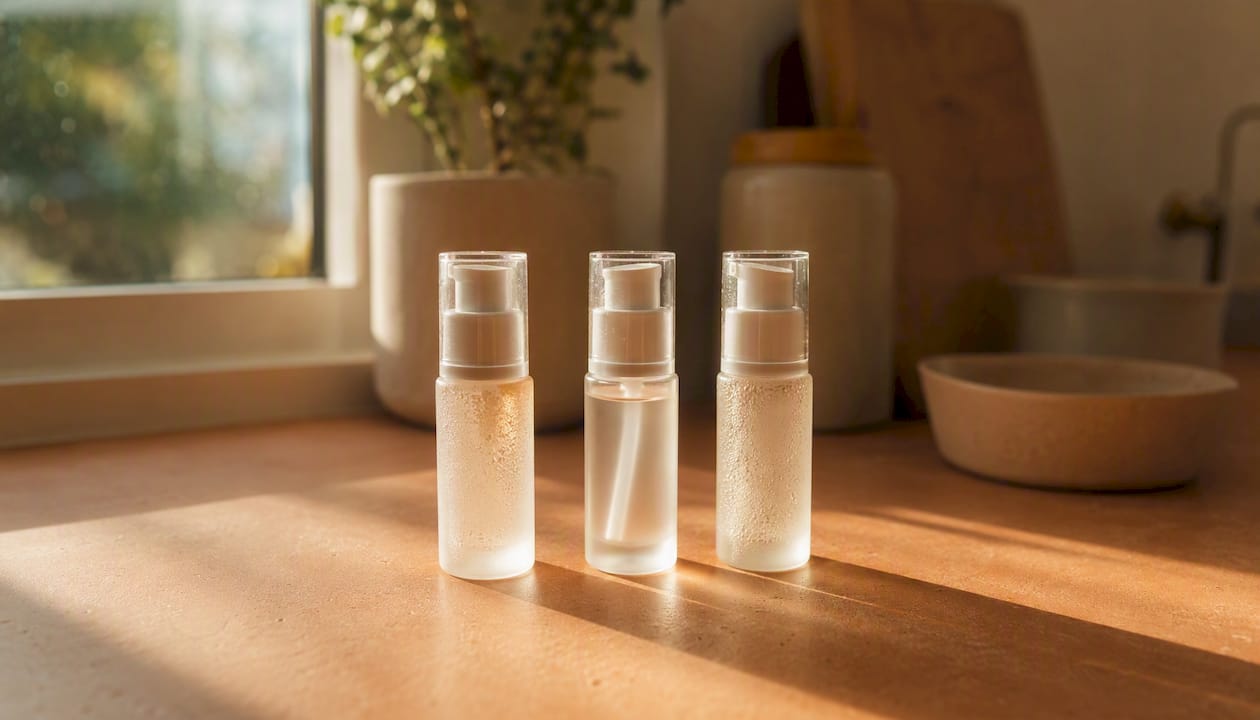
- Airless pump or opaque, UV-blocking packaging (avoids light and air exposure)
- Anhydrous (water-free) base or a stabilized derivative if water-based
- Antioxidant partners: vitamin E and ferulic acid both stabilize L-ascorbic acid and increase photoprotective effects
- Appropriate pH: 2.5–3.5 for L-ascorbic acid; higher pH acceptable for stabilized derivatives
- Documented concentration on the label
Visual signs of oxidation: A serum that has turned orange, amber, or brown has oxidized. A metallic or rancid smell is another indicator. An oxidized product will not stimulate collagen synthesis and may cause irritation. Discard it.
Storage: Keep vitamin C products away from direct sunlight and heat. After opening, most L-ascorbic acid formulations are effective for 3–6 months if stored correctly. Stabilized derivatives in sealed packaging typically last longer. Refrigeration can extend shelf life for water-based LAA serums.
How do you build vitamin C into a daily routine for collagen?
Vitamin C serum fits most naturally into an AM routine, where it provides antioxidant protection against UV-generated free radicals alongside sunscreen. Some stabilized derivatives can be used AM or PM without issue.
Basic AM routine with vitamin C:
- Cleanse with a gentle, pH-appropriate cleanser.
- Apply toner or essence if used.
- Apply vitamin C serum to dry or slightly damp skin.
- Wait 60–90 seconds for absorption.
- Apply any additional serums (hyaluronic acid, peptides).
- Moisturize.
- Apply broad-spectrum SPF 30+ sunscreen as the final step.
PM routine with retinoid spacing:
- Cleanse.
- Apply retinoid (retinol or prescription retinoid) on nights you use it.
- On nights without retinoid, vitamin C can be applied in the PM slot if preferred.
- Avoid layering high-concentration L-ascorbic acid directly with prescription retinoids in the same application; use on alternating nights or separate AM/PM if irritation occurs.
- Moisturize.
Introducing vitamin C to sensitive skin: Start with a stabilized derivative (MAP or SAP) at a lower concentration. Patch test on the inner arm for 24–48 hours before full-face use. Increase concentration gradually over 4–6 weeks as tolerance builds.
Frequency: Daily use is appropriate for most people once tolerance is established. Consistent daily application drives the steady intracellular ascorbate levels that research links to sustained collagen mRNA increases.
Pro Tip: Pairing vitamin C with vitamin E and ferulic acid in the same product or layered application increases both stability and photoprotective benefit. When using strong chemical exfoliants (AHAs, BHAs) or prescription retinoids, space vitamin C to a different time of day or alternate nights to avoid compounding irritation.
For a structured AM routine that incorporates vitamin C, the Yuka+Face morning skin care routine guide covers layering order and timing in detail.
Is vitamin C safe, and what side effects should you know about?
Vitamin C is generally safe at recommended topical concentrations and standard oral doses, but side effects occur and a few interactions are worth knowing.
Topical side effects:
- Stinging or tingling on application, especially with high-concentration L-ascorbic acid at low pH
- Temporary erythema (redness) in sensitive skin
- Contact dermatitis (rare, but possible with any active ingredient)
- Increased sensitivity if layered with strong exfoliants or retinoids without spacing
Oral side effects at high doses:
- Gastrointestinal upset, diarrhea, and nausea at doses above the tolerable upper intake level
- Increased risk of kidney stones (calcium oxalate) in people with a history of oxalate stones or hyperoxaluria
- High-dose supplementation can interfere with certain lab tests (glucose, uric acid measurements)
Medication and nutrient interactions:
- High-dose oral vitamin C may interact with certain chemotherapy agents; consult an oncologist before supplementing during cancer treatment
- Vitamin C enhances iron absorption; this is beneficial for iron-deficient individuals but requires monitoring in people with hemochromatosis or iron overload conditions
- Vitamin C and vitamin E work synergistically; vitamin C regenerates oxidized vitamin E, so pairing them is generally advantageous
When to consult a clinician: Persistent or severe skin irritation, signs of allergic reaction (swelling, hives, difficulty breathing), a personal history of kidney stones before starting high-dose oral supplementation, or before using high-dose oral vitamin C alongside any prescription medication.
This article provides general information, not medical advice. Confirm current dosing guidelines and any interactions with a qualified healthcare professional.
What dietary vitamin C intake supports collagen, and what happens with deficiency?
Dietary vitamin C is the foundation. Without adequate intake, collagen synthesis is impaired systemically, affecting skin, joints, blood vessels, and wound healing. Scurvy symptoms can appear within one month of consuming less than approximately 10 mg/day, and plasma levels below ~10 μM are associated with clinical deficiency.
High-vitamin C foods:
- Bell peppers (red and yellow are highest)
- Citrus fruits (oranges, grapefruit, lemons)
- Strawberries and kiwi
- Broccoli, Brussels sprouts, and kale
- Tomatoes and tomato juice
- Guava (one of the highest per-gram sources)
Dosage guidance:
The NIH Office of Dietary Supplements sets RDAs for vitamin C that vary by demographics and conditions. The tolerable upper intake level for adults is 2,000 mg/day from all sources combined.
Supplementation is warranted when dietary intake is consistently low, when malabsorption is present, or when clinical needs are elevated (certain wound-healing contexts, documented deficiency). For most people eating a varied diet with regular fruit and vegetable intake, reaching the RDA through food alone is achievable.
For a broader look at how vitamins support skin health, the science-backed vitamins for skincare guide covers vitamin C alongside other key nutrients.
Why topical delivery works and how to choose the right product
Topical vitamin C reaches dermal fibroblasts more directly than systemic distribution allows. The skin is often last to receive nutrients from the bloodstream, so even adequate plasma levels do not guarantee high local concentrations in the dermis. Topical application sidesteps this limitation entirely.
The Linus Pauling Institute notes that topical vitamin C stabilizes collagen mRNA and increases fibroblast proliferation, outcomes that depend on achieving sufficient intracellular concentrations in skin cells. That is the practical case for a well-formulated topical product over relying on diet alone for skin collagen.
Product selection criteria:
- Stable form: L-ascorbic acid with protective packaging and antioxidant partners, or a stabilized derivative (MAP, SAP, ascorbyl glucoside, ascorbyl tetraisopalmitate)
- Correct pH: 2.5–3.5 for L-ascorbic acid; higher pH acceptable for derivatives
- Antioxidant partners: vitamin E and ferulic acid for stability and photoprotection
- Opaque or airless packaging to prevent oxidation
- Documented concentration on the label (typically 3–20% for LAA; 1–10% for derivatives)
Yuka+Face Vitamin C Glow Serum and Vitamin C Glow Oil are formulated around these criteria. The Glow Serum delivers vitamin C in a skin-ready format designed for daily use, while the Glow Oil uses an oil-soluble vitamin C form (ascorbyl tetraisopalmitate) suited to anhydrous delivery, which avoids the oxidation issues common in water-based L-ascorbic acid products. Both are vegan, cruelty-free, and built for all skin types.
Pro Tip: Ferulic acid paired with L-ascorbic acid and vitamin E does more than stabilize the formula. It also increases the photoprotective capacity of the combination, making the trio more effective against UV-induced collagen degradation than any single ingredient alone. Look for all three on the ingredient list when choosing a vitamin C serum.
For more on antioxidant ingredient synergies, the antioxidants in aging guide covers the evidence behind vitamin C and vitamin E pairing in detail.
The verdict: vitamin C and collagen in practice
Vitamin C is essential for collagen synthesis and can stimulate production when delivered consistently at effective concentrations. No other nutrient substitutes for it in the hydroxylation reactions that stabilize the collagen triple helix.
Action plan:
- Check dietary intake. Aim for the RDA (90 mg/day for men, 75 mg/day for women) through food first.
- Add a stable topical vitamin C serum with a documented active form and appropriate concentration.
- Use it daily, consistently. Steady intracellular ascorbate levels drive collagen mRNA increases.
- Expect 8–12+ weeks before visible skin changes appear.
- Pair with sunscreen every morning for maximum collagen protection.
Key Takeaways
Vitamin C is the only nutrient that directly enables the hydroxylation reactions required to stabilize the collagen triple helix, making it irreplaceable for both dietary sufficiency and targeted topical collagen stimulation in skin.
| Point | Details |
|---|---|
| Biochemical role | Vitamin C is a required cofactor for prolyl and lysyl hydroxylases; without it, collagen cannot form a stable triple helix. |
| Topical vs oral | Topical application achieves higher local skin concentrations than systemic distribution; oral intake prevents deficiency and supports whole-body collagen. |
| Formulation stability | Choose opaque or airless packaging, antioxidant partners (vitamin E, ferulic acid), and discard any serum that has turned orange or brown. |
| Expected timeline | Visible skin changes from topical use typically require 8–12+ weeks of consistent daily application. |
| Yuka+Face options | Yuka+Face Vitamin C Glow Serum and Vitamin C Glow Oil are formulated to match evidence-based criteria: stable forms, appropriate delivery, and daily use suitability. |
The case for consistency over complexity
The most common mistake with vitamin C skincare is treating it as optional or interchangeable. The biochemistry does not support that view. Prolyl hydroxylase and lysyl hydroxylase have no substitute cofactor. Collagen mRNA stabilization depends on intracellular ascorbate levels that diet alone rarely delivers to skin in sufficient concentration. And the clinical evidence, while imperfect, consistently points to one variable that separates results from disappointment: sustained, daily topical use with a stable, well-formulated product.
What gets overlooked is the formulation gap. Two products labeled "20% vitamin C" can have completely different efficacy profiles depending on pH, packaging, and whether antioxidant partners are present. A 10% L-ascorbic acid serum in an airless pump with ferulic acid and vitamin E will outperform a 20% serum in a clear glass dropper bottle that has been sitting on a bathroom shelf in direct light. Concentration is not the whole story.
The other underappreciated point is the dietary floor. Topical vitamin C does not replace adequate dietary intake. It supplements it. People who are chronically low in dietary vitamin C are spending their topical application budget fighting deficiency-related collagen breakdown rather than building new collagen. Getting dietary intake to the RDA level first makes topical use more productive.
Vitamin C for collagen is not complicated. It requires the right form, the right delivery, and the right consistency. The science has been clear on the mechanism for decades. The practical gap is almost always in formulation quality and daily follow-through.
Yuka+Face Vitamin C products built for daily collagen support

Yuka+Face offers two vitamin C formulations designed for consistent daily use and stable delivery.
Vitamin C Glow Serum: A daily-use serum delivering vitamin C in a skin-ready format. Formulated for all skin types. Vegan, cruelty-free, and built to support collagen synthesis with consistent application. Shop the Vitamin C Glow Serum directly.
Vitamin C Glow Oil: Uses an oil-soluble vitamin C form (ascorbyl tetraisopalmitate) in an anhydrous base, avoiding the oxidation issues common in water-based formulations. Suitable for dry skin, mature skin, and anyone who prefers an oil-based routine step. View the Vitamin C Glow Oil.
Both products are 100% natural, vegan, and cruelty-free. For a complete AM routine that incorporates vitamin C alongside sunscreen and supporting actives, the Yuka+Face morning skin care routine guide covers every step.
FAQ
Which vitamin C form is best for collagen production?
L-ascorbic acid is the most active form for collagen stimulation, but stabilized derivatives like magnesium ascorbyl phosphate and ascorbyl glucoside convert to active ascorbate in skin and are a practical choice when stability or skin sensitivity is a concern.
How much vitamin C do you need daily for collagen?
The NIH RDA is 90 mg/day for adult men and 75 mg/day for adult women; smokers need an additional 35 mg/day. Scurvy symptoms can appear within one month of consuming less than approximately 10 mg/day.
How can you restore collagen in your face?
Consistent daily use of a stable topical vitamin C serum at an effective concentration, paired with sunscreen, is the most direct approach. Human topical trials using 3–10% vitamin C for at least 12 weeks have shown measurable collagen increases and reduced wrinkling in some studies.
Which vitamins increase collagen production?
Vitamin C is the primary vitamin required for collagen synthesis, acting as a cofactor for the hydroxylation enzymes that stabilize the collagen triple helix. Vitamin E supports collagen indirectly by protecting it from oxidative damage, and adequate zinc (a mineral, not a vitamin) also contributes to collagen cross-linking.
Does the Yuka+Face Vitamin C Glow Serum support collagen?
Yes. The Yuka+Face Vitamin C Glow Serum is formulated for daily use with a stable vitamin C form, designed to deliver consistent intracellular ascorbate levels to skin. Daily application aligns with the research showing that sustained, repeated exposure drives collagen mRNA and procollagen synthesis increases in fibroblasts.