TL;DR:
- Antioxidants support healthy aging by neutralizing harmful reactive oxygen species and maintaining cellular balance. Activating internal pathways like NRF2 and SIRT1 through diet and lifestyle offers more sustainable protection than high-dose supplements. Consuming foods rich in key antioxidants and using stable topical products can help slow signs of skin aging effectively.
Antioxidants are defined as molecules that neutralize reactive oxygen species (ROS), slowing the cellular damage that drives aging. The role of antioxidants in aging centers on maintaining redox homeostasis, the balance between oxidative damage and the body's repair capacity. Free radicals and aging are directly linked: unchecked ROS trigger telomere shortening, mitochondrial dysfunction, and cellular senescence, three of the most studied hallmarks of biological aging. With the global population aged 60 and older projected to exceed 2 billion by 2050, interest in antioxidant-based strategies has never been higher. Key players include vitamins C and E, glutathione, and enzyme-based systems like superoxide dismutase (SOD) and catalase.
How do antioxidants influence the biological mechanisms of aging?
Antioxidants slow aging by interrupting the chain reactions that ROS set off inside cells. ROS are oxygen-derived molecules produced during normal metabolism, but they accumulate faster than the body can clear them as you age. The result is oxidative stress, a state where cellular structures including DNA, proteins, and lipid membranes take ongoing damage.
The science here has an important nuance. ROS act as double-edged swords: at low concentrations they function as signaling molecules that regulate immune defense and cellular adaptation. At high concentrations, they cause the damage associated with accelerated aging. This means the goal is not to eliminate ROS entirely. The goal is balance.
The body maintains that balance through endogenous antioxidant systems:
- Glutathione is the cell's primary internal antioxidant. The GSH/GSSG ratio (reduced to oxidized glutathione) is a direct indicator of cellular aging status. When this ratio drops, oxidative damage accelerates.
- Superoxide dismutase (SOD) converts the most reactive free radicals into less harmful compounds.
- Catalase breaks down hydrogen peroxide before it can damage DNA.
- SIRT1 is a protein that regulates gene expression in response to oxidative stress. Glutathione and SIRT1 both decline with age, leaving cells less protected over time.
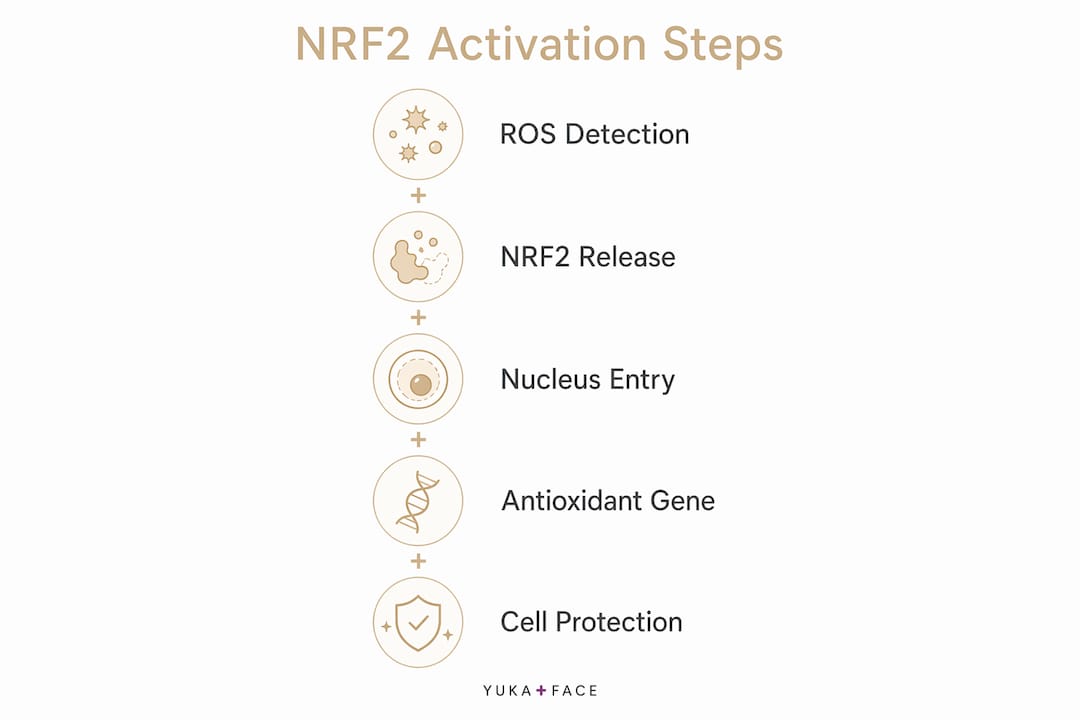
Two molecular pathways sit at the center of antioxidant research. The NRF2 pathway acts as a master regulator, switching on the genes that produce endogenous antioxidant enzymes. The SIRT1/NAD+ axis supports mitochondrial health and DNA repair. Activating these pathways through diet and lifestyle produces broader, more lasting protection than taking isolated supplements.
Pro Tip: Prioritize foods and habits that activate NRF2, such as sulforaphane-rich broccoli sprouts and regular moderate exercise. These approaches boost your body's own antioxidant output rather than relying on external doses.
What dietary antioxidants are most effective for healthy aging?
Diet is the most practical lever for increasing antioxidant intake. Recent machine learning research using SHAP analysis identified five core dietary antioxidants most strongly linked to reduced accelerated aging risk: daidzein, apigenin, magnesium, zinc, and vitamin E. Each works through distinct mechanisms.
Here is where to find them and what they do:
- Daidzein is an isoflavone found in soybeans and tofu. It activates estrogen receptors and antioxidant pathways, supporting skin elasticity and cellular repair.
- Apigenin is a flavonoid concentrated in parsley, chamomile, and celery. It activates SIRT1 and supports NAD+ metabolism, directly influencing the longevity pathways described above.
- Magnesium supports over 300 enzymatic reactions, including those that maintain glutathione levels. Leafy greens, nuts, and seeds are reliable sources.
- Zinc is a cofactor for SOD and plays a role in DNA repair. Pumpkin seeds, legumes, and shellfish provide meaningful amounts.
- Vitamin E protects cell membranes from lipid peroxidation. Sunflower seeds, almonds, and wheat germ oil are among the richest sources.
| Antioxidant | Primary food sources | Key aging-related function |
|---|---|---|
| Daidzein | Soybeans, tofu, tempeh | Activates antioxidant and repair pathways |
| Apigenin | Parsley, chamomile, celery | Supports SIRT1 and NAD+ metabolism |
| Magnesium | Leafy greens, nuts, seeds | Maintains glutathione production |
| Zinc | Pumpkin seeds, legumes, shellfish | Cofactor for SOD, supports DNA repair |
| Vitamin E | Almonds, sunflower seeds, wheat germ | Protects cell membranes from oxidative damage |
One critical limitation applies to all of these. Bioavailability and dose relationships remain poorly defined, meaning the amount you absorb from food differs significantly from what lab studies measure. Whole foods deliver antioxidants alongside fiber, cofactors, and phytochemicals that improve absorption. Isolated supplements rarely replicate that synergy. For a deeper look at how specific vitamins function in skin health, the science behind topical vitamins is worth reviewing.
How do topical antioxidants protect skin from aging?
Topical antioxidants address a specific threat: photoaging. UV radiation and pollution generate ROS directly in skin tissue, breaking down collagen, triggering inflammation, and accelerating the visible signs of aging. Applying antioxidants to the skin intercepts this damage before it reaches deeper layers.
The most studied topical antioxidants include:
- Vitamin C (ascorbic acid): Stabilizes collagen synthesis and neutralizes UV-generated free radicals. Ascorbic acid reaches concentrations up to 20 millimolar in plant cells, illustrating its potency as an antioxidant molecule. In skincare, stability is the main challenge since vitamin C oxidizes quickly on exposure to air and light.
- Vitamin E (tocopherol): Works synergistically with vitamin C to regenerate antioxidant activity in the skin's lipid layers.
- Resveratrol: A polyphenol found in grape skin that activates SIRT1 in skin cells, supporting repair and reducing inflammation.
Stability is the defining factor in topical antioxidant efficacy. A product with unstable vitamin C delivers little benefit by the time it reaches your skin. Extremophile-derived antioxidants represent a promising direction: compounds sourced from organisms that survive extreme environments show greater resilience to heat, light, and oxidation, making them more effective in real-world skincare conditions. This is an area where formulation science is advancing quickly.
Pro Tip: Store vitamin C serums in opaque, airtight packaging and use them within three months of opening. Yellowing or browning signals oxidation, which means the active ingredient has already degraded.
For a practical framework on building antioxidant protection into your daily routine, the morning skincare routine guide from Yuka+Face outlines how to layer products effectively. Topical antioxidant strategies pair well with the broader picture of managing skin aging through lifestyle and diet.
What are the risks of antioxidant supplements for aging?
Antioxidant supplements do not carry automatic benefits, and the evidence for high-dose supplementation is mixed at best. The risks are real and worth understanding before adding supplements to your routine.
- High-dose vitamin E increases mortality risk. Meta-analyses show that high doses of vitamin E or beta-carotene can increase mortality and cancer risk in elderly or vulnerable populations. This is not a fringe finding. It appears consistently across large clinical trials.
- Excess antioxidants disrupt redox signaling. Excessively high antioxidant doses can suppress the ROS signals that cells need for immune defense and adaptation. Flooding the system with external antioxidants can blunt these responses.
- Supplements bypass the body's regulatory systems. When you eat foods rich in antioxidants, your gut and liver regulate absorption. Supplements deliver concentrated doses that bypass these controls, making it easier to overshoot optimal levels.
- Endogenous systems are more effective long-term. The shift in research focus is moving away from supplementation and toward restoring the body's own redox balance. Activating NRF2 and replenishing NAD+ to support sirtuin function produces more targeted and sustainable results.
- Context matters. Supplementation may be appropriate for people with documented deficiencies or specific medical conditions. For healthy adults eating a varied diet, whole foods remain the preferred source.
The takeaway is not that supplements are always harmful. The takeaway is that more is not better when it comes to antioxidants. Targeted, moderate use under informed guidance is a different proposition from blanket high-dose supplementation.
Key Takeaways
Antioxidants slow aging most effectively when they support the body's endogenous redox systems rather than simply flooding the body with external doses.
| Point | Details |
|---|---|
| ROS balance is the goal | Antioxidants should restore redox balance, not eliminate all ROS, which are needed for cell signaling. |
| Five key dietary antioxidants | Daidzein, apigenin, magnesium, zinc, and vitamin E are linked to reduced accelerated aging risk. |
| Topical stability matters | Unstable antioxidants in skincare degrade before reaching skin cells; choose stable formulations. |
| High-dose supplements carry risk | Excess vitamin E and beta-carotene are linked to increased mortality in vulnerable populations. |
| Endogenous pathways are the priority | Activating NRF2 and supporting SIRT1 through diet and lifestyle delivers more lasting protection. |
Why I think we've been thinking about antioxidants all wrong
Most wellness conversations treat antioxidants like a volume dial: turn it up and you age more slowly. The research does not support that. What I find far more compelling is the idea that your body already has a sophisticated antioxidant system, and the real work is keeping that system functional.
The glutathione ratio, the NRF2 pathway, the SIRT1/NAD+ axis: these are not abstract biochemistry. They are the actual mechanisms your cells use to stay healthy. Every time I look at the evidence on high-dose supplementation, I come back to the same conclusion. Disrupting these systems with excessive external antioxidants is counterproductive. The smarter path is to eat foods that activate your internal defenses, manage chronic stress (which depletes glutathione faster than almost anything else), and choose skincare with antioxidants that are actually stable enough to work.
The extremophile research genuinely excites me. The idea that organisms surviving volcanic vents or polar ice have developed antioxidant compounds that hold up under extreme conditions, and that we can apply that stability to skincare formulations, is a real advance. It shifts the question from "how much antioxidant?" to "how effective is this antioxidant once it reaches your skin?" That is the right question. For a broader look at how skin aging actually works at the cellular level, the causes and signs of skin aging article covers the full picture well.
Aging is not a problem to be solved with a supplement. It is a biological process to be supported with consistent, evidence-based choices. Antioxidants are one important tool in that process, not the whole answer.
— Kelly
Yuka+Face and your antioxidant skincare routine
Yuka+Face formulates with antioxidant-rich botanicals selected for both potency and stability. Every product is vegan, natural, and cruelty-free, designed to work with your skin's biology rather than against it.

The vegan skincare range at Yuka+Face pairs plant-derived antioxidants with essential vitamins and oils suited to all skin types and ages. Products are built around the principle that aging should be radiant and supported, not fought. Pair topical antioxidant protection with the dietary and lifestyle strategies covered here, and you have a complete, science-aligned approach to skin health. Yuka+Face also offers guidance on skin hydration and restoration as the foundation of any effective skincare ritual.
FAQ
What is the role of antioxidants in aging?
Antioxidants neutralize reactive oxygen species that damage DNA, proteins, and cell membranes, slowing the cellular processes that drive biological aging. They also support endogenous defense systems like glutathione and the NRF2 pathway.
Can antioxidants reverse aging?
Antioxidants cannot reverse aging, but they can slow its progression by reducing oxidative damage and supporting cellular repair mechanisms. The impact on longevity is most significant when antioxidants come from a varied whole-food diet.
What foods are richest in antioxidants for aging skin?
Soybeans, parsley, almonds, pumpkin seeds, and leafy greens provide daidzein, apigenin, vitamin E, zinc, and magnesium, the five antioxidants most strongly linked to reduced accelerated aging risk in recent research.
Are antioxidant supplements safe for aging adults?
Moderate supplementation is generally safe, but high doses of vitamin E and beta-carotene are linked to increased mortality risk in elderly populations. Whole foods and endogenous pathway activation are preferred over high-dose supplements.
Which topical antioxidants work best for skin aging?
Vitamins C and E and resveratrol are the most studied topical antioxidants for skin aging. Their effectiveness depends on formulation stability; look for products with airtight, opaque packaging and evidence of stable delivery systems.