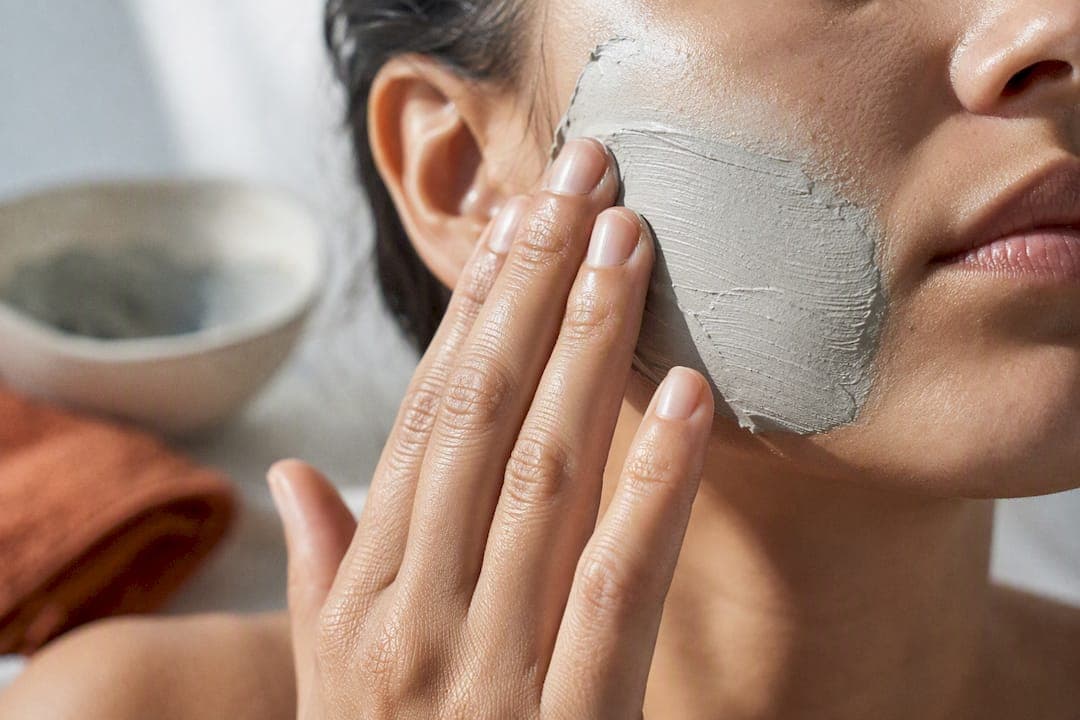
You can't permanently change your pore size, but you can make pores noticeably smaller by keeping them clear, protecting collagen, and using gentle, regular treatments. Genetics set the baseline. Consistent, non-harsh care determines what shows up in the mirror. Natural options like clay masks and bakuchiol help when used with the right timing.
TL;DR:
- Consistent, gentle skincare routines that focus on clearing oil and debris, boosting collagen, and protecting the skin can improve pore appearance within weeks.
- Double cleansing at night and regular use of non-comedogenic products help prevent oil buildup that stretches pores and causes shadowing.
- Salicylic acid effectively dissolves pore lining debris, while retinol increases collagen production for long-term pore firming; avoid layering strong acids with retinol on the same night.
- Weekly clay masks and cold compresses provide temporary tightening effects, but long-term improvements depend on avoiding harsh scrubs and protecting skin from sun damage.
- Professional treatments like chemical peels or microneedling may be necessary if pores remain prominent despite consistent home care efforts.
Table of Contents
- What Actually Helps Minimize Pores Naturally
- How Do Retinol and Bakuchiol Compare for Pores?
- Masks, Tools, and DIY Remedies: What Helps and What to Avoid
- Lifestyle Habits That Keep Pores Looking Smaller
- When Should You See a Dermatologist?
- How Yuka+Face Fits a Gentle, Natural Pore Routine
- A Realistic Take on Pore Care
- Start a Gentle Pore Routine With Yuka+Face
- Sources
- FAQ
What Actually Helps Minimize Pores Naturally
Pore size is mostly written into your genes, but pore appearance responds fast to what you do (and don't do) every day. The Cleveland Clinic notes that you can't shrink the actual opening, but clearing oil and debris while boosting collagen makes pores look smaller within weeks, not months.
Build the routine around three timeframes: morning, evening, and once or twice a week.
Morning:
- Cleanse with a gentle, non-comedogenic formula, no harsh sulfates, no stripping foam.
- Apply a lightweight, oil-free moisturizer while skin is still slightly damp.
- Finish with broad-spectrum SPF 30 or higher, every single day, even indoors near windows.
Evening:
- Double cleanse if you wore makeup or sunscreen. Oil cleanser first to break down residue, then a gentle water-based cleanser.
- Apply a targeted chemical exfoliant on scheduled nights: salicylic acid (BHA) if your skin runs oily or congested, a mild AHA if texture and dullness are the bigger issue.
- Layer on hydration. Skipping moisturizer at night backfires. Dry skin often overproduces oil to compensate, which makes pores look bigger, not smaller.
Weekly:
Use a clay mask regularly on days you are not exfoliating. Mixing masks and acids on the same day irritates skin and can trigger the exact rebound oiliness you're trying to avoid, according to guidance from Medical News Today.
The American Academy of Dermatology backs the twice-daily cleansing habit specifically because oil and debris buildup is what makes pores look stretched and shadowed in the first place.

When picking products, check labels for "non-comedogenic" or "oil-free," and favor water-based lotions over heavy, oil-based creams if you already run oily. Combination skin usually does well splitting the difference: BHA on the T-zone, a gentler AHA or nothing on drier cheeks. Sensitive skin should stretch exfoliation to twice a week max and lean on soothing, low-percentage formulas.
Pro Tip: If your skin gets tight or flaky within an hour of cleansing, your cleanser is too harsh, full stop. Swap it before adding any other step, since a compromised barrier makes every pore-minimizing effort work against you.
For a full walkthrough of the AM sequence, Yuka+Face's morning skin care routine breaks down product order in more detail, and the evening ritual guide covers double cleansing step by step.
How Do Retinol and Bakuchiol Compare for Pores?
Salicylic acid is oil-soluble, so it slips into the pore lining itself and dissolves the debris that stretches the opening. Clinical research on topical acids supports using a 0.5% to 2% concentration two to three nights a week for congested, oily skin.
AHAs (glycolic or lactic acid) work on the surface, smoothing texture and dead skin rather than digging into the pore. Lactic acid is gentler and better for sensitive types; glycolic acid works faster but irritates more easily.
- Retinol speeds up cell turnover and increases collagen production, which firms the skin around the pore over time.
- Start retinol two nights a week, increase slowly, and always pair it with daytime SPF since it raises sun sensitivity.
- Bakuchiol is a plant-derived alternative that triggers similar cell turnover with far less irritation, though results build more slowly and the evidence base is smaller.
- Never layer a strong AHA or BHA with retinol on the same night. Clinical practice guidance on exfoliation warns that stacking actives breaks down the skin barrier and can cause the very redness and enlarged-pore look you're trying to fix.
Watch for: stinging that lasts past a few minutes, persistent redness, or flaking. Those are signs to pull back frequency immediately.
Masks, Tools, and DIY Remedies: What Helps and What to Avoid
Clay masks pull excess oil and give a temporary tightening effect. Kaolin is gentler; bentonite draws more intensely.
- Use clay masks once or twice weekly. Never on exfoliation days.
- Always follow with a lightweight moisturizer. Clay can leave skin feeling dry if you skip this step.
- Ice rollers and cold compresses give a quick, cosmetic tightening but don't change pore structure long term.
- Skip harsh physical scrubs and at-home extractions. Picking or scraping risks scarring and dark marks that last far longer than an enlarged pore ever would.
Pro Tip: A safe DIY option: mix one tablespoon of kaolin clay with enough rose water to form a paste, apply for 8 to 10 minutes, and rinse before it fully hardens and cracks.
Lifestyle Habits That Keep Pores Looking Smaller
Sun damage breaks down collagen and elastin, and that loss of support is part of why pores look stretched with age. Daily SPF 30 or higher, plus avoiding peak midday sun, protects the structure holding pores in shape.
- Cut back on high-glycemic foods (white bread, sugary snacks) linked to increased sebum production.
- Add antioxidant-rich produce, berries, leafy greens, to support skin repair.
- Drink enough water and use humectants like hyaluronic acid or aloe topically to keep skin plump.
- Prioritize sleep, skip cigarettes, and go easy on alcohol, all of which protect collagen over time.
When Should You See a Dermatologist?
Home care has limits. If pores stay prominent despite months of consistent effort, in-office treatments produce deeper, longer-lasting change.
- Chemical peels use higher-strength acids to exfoliate deeper layers and stimulate collagen, typically done in a series with several days of recovery between sessions.
- Professional microneedling reaches depths of 1.5 to 2 millimeters, far past what at-home rollers (usually 0.5 mm or less) can achieve.
- Fractional resurfacing lasers, like Clear + Brilliant or Fraxel, rebuild collagen over a series of treatments spaced weeks apart.
- Darker skin tones need a dermatologist experienced in treating melanin-rich skin, since aggressive peels or lasers can trigger pigment changes.
A board-certified dermatologist can match the right depth of treatment to your skin tone and goals, something no over-the-counter product can fully replicate.
How Yuka+Face Fits a Gentle, Natural Pore Routine
Every routine above depends on formulas that clean and hydrate without stripping skin, which is the entire premise behind Yuka+Face. The brand builds its full product range around vegan, cruelty-free, botanically driven formulas rather than harsh synthetics.
- Products blend botanical research with scientific formulation, aimed at supporting skin without irritation.
- Antioxidant, vitamin, and essential oil-rich formulas support the holistic side of skin health, not just surface fixes.
- Yuka+Face's own journal covers this exact territory in depth, including a dedicated guide to large pores and a breakdown comparing retinol against bakuchiol.
- The brand also covers professional-adjacent options in pieces like its rundown of top in-spa treatments for enlarged pores.
A Realistic Take on Pore Care
Pores are a normal part of skin, not a flaw to eliminate. Real improvement comes gradually, over weeks of consistent, gentle care, not overnight.
Chasing every new serum or scrubbing harder when results feel slow usually backfires. The skin that looks best long term belongs to people who pick a simple routine and actually stick with it.
— Kelly
Start a Gentle Pore Routine With Yuka+Face
You can build a natural, cruelty-free skincare routine following the advice in this article, without guessing at ingredient lists full of synthetic fillers.

A minimal starter set covers most of what your pores need: a gentle cleanser, a balancing toner, a lightweight moisturizer, and a clay mask for weekly use. Browse the cleansers, toners, and serums to build your morning and evening steps, or check the moisturizers and masks for the weekly clay treatment piece of the routine. The formulas use a simple ingredient list, focusing on natural components. Ready to simplify? Start with the Cleansing Duo and build from there.
This article is general information, not a substitute for advice from a qualified doctor. Consult a qualified healthcare professional about your own circumstances before acting on anything here.
Sources
- A healthy routine can help treat large pores | American Academy of Dermatology (AAD)
- 7 Ways to Shrink Pores | Cleveland Clinic Health Essentials
- Peer-reviewed clinical perspectives on topical acids and skin (PMC)
FAQ
How Do Koreans Minimize Pores Naturally?
Korean skincare routines lean on layered hydration, gentle double cleansing, and consistent SPF rather than aggressive treatments. The emphasis on water-based, lightweight layers lines up directly with the non-comedogenic, barrier-friendly approach dermatologists recommend for pore care.
What Deficiency Causes Large Pores?
No specific nutrient deficiency directly causes large pores. Genetics, excess oil production, and sun-driven collagen loss are the main drivers, though a diet low in antioxidants may make skin less resilient over time.
What Is the Best Natural Pore Minimizer for Mature Skin?
For mature skin, collagen support matters more than deep exfoliation. A gentle retinol or a bakuchiol alternative, paired with daily SPF and a hydrating formula like those in the Yuka+Face shop, addresses both oil control and the collagen loss that makes pores look more pronounced with age.
Can You Actually Tighten Your Pores?
Pores can look temporarily tighter with cold compresses or clay masks, but the underlying opening doesn't shrink. Lasting improvement comes from clearing debris and rebuilding collagen, not from any single tightening trick.