TL;DR:
- Slow beauty is a skincare philosophy focused on long-term skin health through minimal, science-backed routines. It emphasizes microbiome respect, barrier fortification, and cellular optimization for lasting results. This approach contrasts with fast beauty's trend-driven product churn and integrates holistic, individualized care.
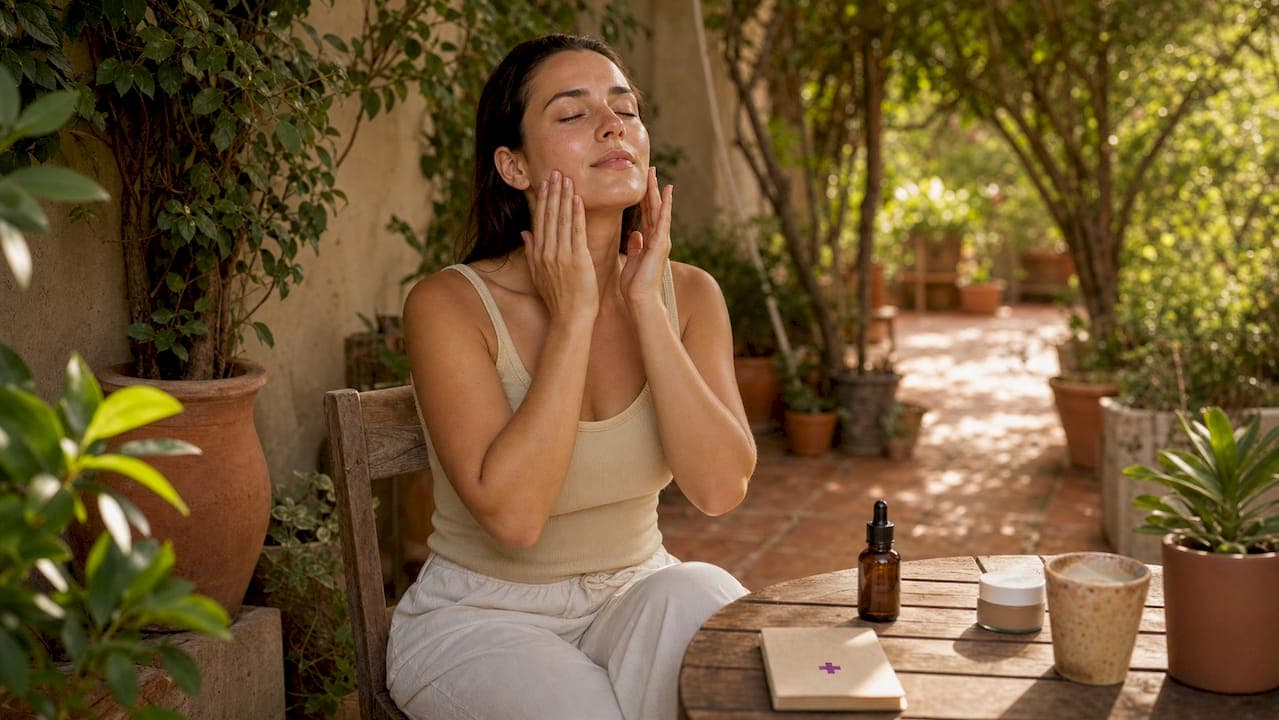
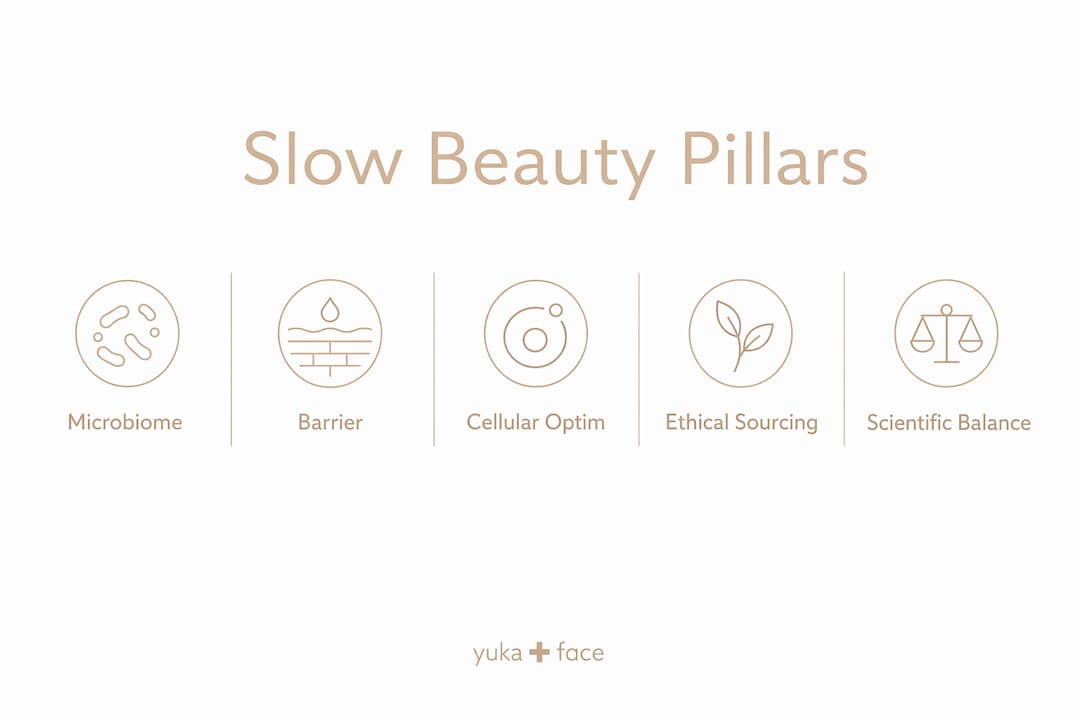
Slow beauty is defined as a mindful, evidence-backed philosophy that prioritizes intentional skincare rituals over rapid, trend-driven consumption. The goal is long-term skin health, not overnight results. This approach rests on three core pillars: microbiome respect, barrier fortification, and cellular optimization. It treats the skin as a living system connected to overall wellness, not a surface problem to fix fast. Slow beauty stands apart from fast beauty's obsession with the next viral product, and it goes deeper than what is clean beauty by grounding every choice in both science and personal biology.
What is slow beauty and its core principles?
Slow beauty is a holistic philosophy that favors cumulative impact over instant effects. It works with the skin's biological rhythms rather than against them. The three pillars give this philosophy its structure and scientific credibility.

Microbiome Respect means nurturing the beneficial microorganisms that live on the skin's surface. These organisms regulate inflammation, protect against pathogens, and support barrier function. Disrupting them with harsh cleansers or over-exfoliation sets off a cycle of sensitivity and reactivity that takes weeks to reverse.
Barrier Fortification focuses on using skin-recognizable ingredients like ceramides, fatty acids, and cholesterol. These lipids mirror the skin's own structure. When the barrier is intact, moisture stays in and irritants stay out. This is the foundation of what holistic skincare practitioners call "skin-first" care.
Cellular Optimization supports the skin's natural repair cycles using peptides, antioxidants, and vitamins. Skin cells renew on a roughly 28-day cycle. Feeding that process with targeted nutrients produces results that compound over months, not days.
"Slow beauty favors cumulative impact and harmony with biological rhythms over instant effects. It is not passive. It is precise, patient, and deeply personal."
Preservation technologies like LED light therapy and nano-current devices fit naturally within this framework. These clinical tools enhance the skin's intrinsic metabolic processes rather than overriding them. They provide cumulative benefits that build over multiple sessions, which aligns directly with slow beauty's long-game philosophy.
Pro Tip: Start with barrier fortification before adding any active ingredients. A compromised barrier makes everything else less effective and more irritating.
How does slow beauty differ from fast beauty and clean beauty?
Fast beauty and slow beauty share almost nothing in common beyond the word "beauty." Fast beauty is built on trend cycles, high product turnover, and the promise of visible results within days. Slow beauty rejects that model entirely. It values fewer, better products used consistently over time.
The relationship between slow beauty and clean beauty is more nuanced. Clean beauty, as a movement, focuses on avoiding certain ingredients. The problem is that clean beauty lacks a regulatory definition. Without a legal standard, "clean" means something different on every label. Consumers must weigh ingredient safety against scientific evidence rather than relying on marketing absolutes.
Slow beauty does not reject science in favor of nature. It integrates both. Where clean beauty sometimes leans on ingredient avoidance as its primary logic, slow beauty asks a different question: does this ingredient support the skin's biology over time?
| Dimension | Fast beauty | Slow beauty |
|---|---|---|
| Time horizon | Days to weeks | Months to years |
| Product volume | High turnover | Minimal, curated |
| Ingredient logic | Trend-driven | Biology-driven |
| Science role | Marketing claims | Clinical evidence |
| Skin view | Surface problem | Systemic signal |
Key distinctions worth knowing:
- Slow beauty encourages minimalist routines. Fewer products mean fewer potential irritants and a clearer picture of what actually works.
- Sustainability is built in. Buying less, choosing ethically sourced ingredients, and supporting brands with transparent supply chains all follow naturally from the philosophy.
- Personalization is non-negotiable. A slow beauty routine for one person may look completely different from another's, based on skin type, climate, and internal health.
How to adopt a slow beauty routine
Adopting a slow beauty practice starts with subtraction, not addition. Remove products that contain occlusive ingredients, synthetic fragrances, or high concentrations of actives that your skin has become dependent on. This triggers what practitioners call the de-conditioning phase.
The de-conditioning phase lasts 2–4 weeks and can feel uncomfortable. Skin may feel tight, rough, or more reactive than usual. This is the barrier resetting and the skin's oil regulation recalibrating. Pushing through this phase is where most people quit, and where the real work begins.
Once the skin stabilizes, build the routine back up with intention:
- Identify your baseline. Observe your skin for one full week with only a gentle cleanser and a simple moisturizer. Note texture, reactivity, and oiliness at different times of day.
- Add one product at a time. Introduce new ingredients with at least two weeks between additions. This makes it possible to identify what helps and what irritates.
- Map your routine to the seasons. Seasonal and individual cycling of skincare routines, adjusted for humidity, temperature, and hormonal shifts, is a core practice in slow beauty. A winter routine built around rich ceramide creams will not serve the same skin in a humid summer.
- Read your skin as a diagnostic tool. Breakouts along the jawline often signal hormonal shifts. Dullness can point to poor sleep or digestive stress. Skin conditions as systemic signals are fundamental to slow beauty's effectiveness.
- Build in intentional rituals. The act of applying skincare mindfully, without rushing, is part of the philosophy. Pairing your routine with mindfulness in skincare reduces cortisol, which directly benefits skin health.
Pro Tip: Keep a simple skin journal for the first 90 days. Note what you used, how your skin felt, and any external factors like stress or diet changes. Patterns emerge faster than you expect.
What are common misconceptions about slow beauty?
The biggest misconception is that slow beauty is passive or anti-science. Effective slow beauty regimens blend mindful care with advanced preservation technologies. LED therapy and nano-current devices are not contradictions of the philosophy. They are extensions of it.
A second misconception is that natural always means safe. Many natural ingredients cause skin irritation, including citrus extracts and celery seed oil, which are known photosensitizers. The slow beauty approach does not treat "natural" as a synonym for "gentle." Proper formulation and personalization matter more than the source of an ingredient.
Common misunderstandings that hold people back:
- "My skin should clear up immediately." The de-conditioning phase is real. Skin takes time to recalibrate, and short-term discomfort does not mean the approach is wrong.
- "I need more products to see results." Slow beauty consistently produces better outcomes with fewer products used correctly than with large, complicated routines.
- "Holistic skincare ignores science." Holistic practitioners spend more time reading the skin as a systemic signal, not less. The approach requires deeper knowledge, not less of it.
- "It's only for people with sensitive skin." Slow beauty works for every skin type. The principles of barrier respect and cellular support apply universally.
How is slow beauty evolving in 2026?
Slow beauty in 2026 has expanded well beyond facial skincare. The philosophy now shapes slow makeup and haircare practices, where the focus shifts to health from the follicle or skin inward rather than masking or coating. Foundations that support the skin microbiome and scalp treatments that prioritize follicle health are direct expressions of this shift.
The pro-age movement has merged with slow beauty in a meaningful way. Aging is no longer framed as a problem to solve. Biological integrity, the idea that skin should function well at every age rather than simply look younger, has become the standard that forward-thinking practitioners use to evaluate products and treatments.
"The future of beauty is not about reversing time. It is about supporting the skin's intelligence at every stage of life."
Ethical sourcing and supply chain transparency have also become non-negotiable for slow beauty consumers. Ingredients matter not just for what they do to the skin but for how they were grown, harvested, and processed. This connects the philosophy to broader sustainable beauty practices that extend from the farm to the bathroom shelf.
Key Takeaways
Slow beauty is the most effective long-term skincare approach because it works with the skin's biology, not against it, using minimal products, clinical tools, and seasonal personalization.
| Point | Details |
|---|---|
| Three core pillars | Microbiome respect, barrier fortification, and cellular optimization form the foundation of slow beauty. |
| De-conditioning phase | Expect 2–4 weeks of skin adjustment when transitioning away from conventional products. |
| Seasonal routine cycling | Adjust your routine with climate and hormonal shifts rather than keeping a static year-round regimen. |
| Natural does not mean safe | Citrus and celery extracts can irritate; formulation and personalization matter more than ingredient origin. |
| Science belongs here | LED therapy and nano-current devices are compatible with slow beauty and enhance its long-term results. |
Why slow beauty changed how I think about skincare
I spent years adding products to my routine, convinced that more was more. A longer ingredient list felt like progress. What I actually built was a reactive, sensitized skin barrier that needed constant management.
Switching to slow beauty required me to sit with discomfort. The de-conditioning phase was real. My skin felt worse before it felt better. But within three months, I had fewer breakouts, less redness, and a texture I had not seen since my twenties. The difference was not a new ingredient. It was patience and a willingness to read what my skin was actually telling me.
The part that surprised me most was how much the mindfulness component mattered. Taking two minutes to apply a plant-based serum with intention, rather than rushing through a ten-step routine, changed my relationship with my skin entirely. Skincare stopped being a chore and became a daily check-in with my own health.
Slow beauty is not a trend with an expiration date. It is a framework that gets more useful the longer you apply it. The skin you have at 50 reflects the choices you made at 30. That is not a warning. It is an invitation to start paying attention now.
— Kelly
Yuka+Face and the slow beauty approach
Yuka+Face builds every product around the principles that slow beauty demands: quality ingredients, transparent formulation, and respect for the skin's biology.

The Yuka+Face range is 100% vegan, cruelty-free, and formulated with whole-plant nutrients that support barrier function and cellular repair. Products are designed for all skin types and ages, with no fillers and no shortcuts. For readers ready to build a slow beauty practice, the guide to vegan skincare covers ingredient selection in depth. The morning skin care routine guide offers a practical starting point for building a minimal, intentional daily ritual aligned with slow beauty values.
FAQ
What is slow beauty in simple terms?
Slow beauty is a skincare philosophy that prioritizes long-term skin health over quick results. It uses minimal, quality products and respects the skin's natural biological rhythms.
How long does it take to see results from slow beauty?
Results typically build over 3–6 months. The first 2–4 weeks often involve a de-conditioning phase where skin adjusts before improving.
Is slow beauty the same as clean beauty?
No. Clean beauty focuses on avoiding certain ingredients, while slow beauty integrates both natural and clinical tools based on scientific evidence and individual skin biology.
Can slow beauty work for oily or acne-prone skin?
Yes. The principles of barrier respect and microbiome support apply to every skin type. Stripping oily skin with harsh products worsens oil production; slow beauty addresses the root cause instead.
What ingredients are central to a slow beauty routine?
Ceramides, peptides, antioxidants, and whole-plant nutrients are the core building blocks. These ingredients support the skin's repair cycles and barrier function without disrupting its natural balance.