TL;DR:
- The skin microbiome is a complex community of microorganisms essential for skin health, immune regulation, and pathogen defense. Maintaining microbial diversity through gentle skincare practices and supporting systemic health can prevent or restore skin disorders linked to imbalance. Advances in research technologies are driving personalized therapies and shifting dermatology toward microbiome-friendly solutions.
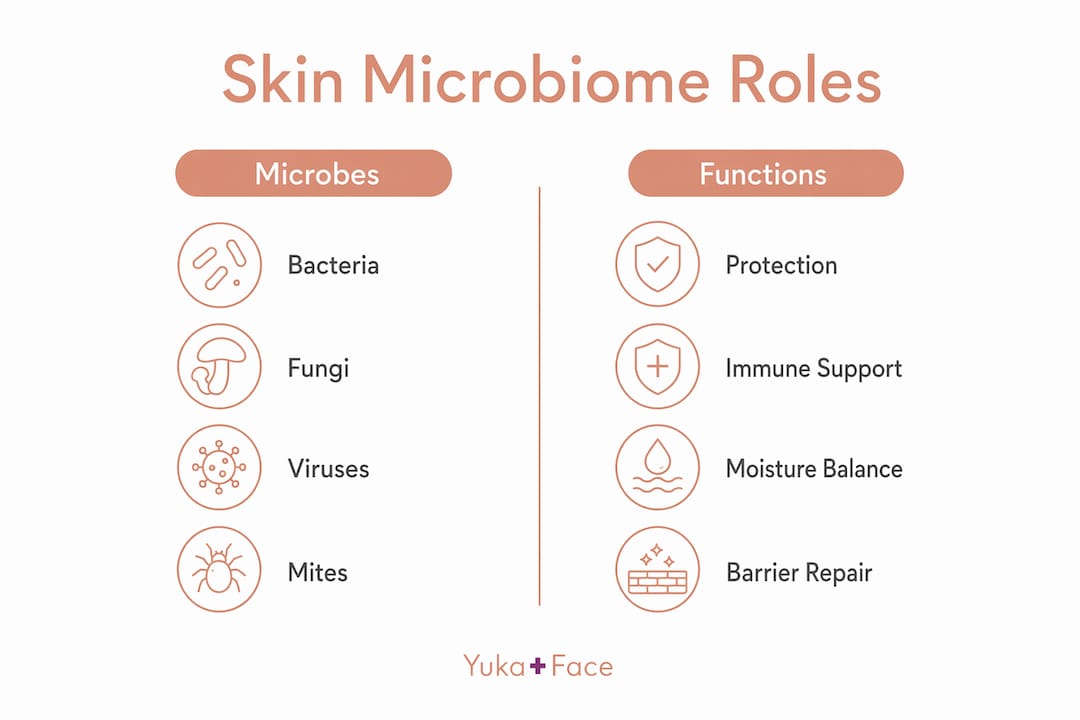
The skin microbiome is defined as the diverse community of bacteria, fungi, viruses, and mites living on and within your skin that collectively regulate immune response, maintain barrier function, and defend against pathogens. Most people think of skin as a passive surface. It is not. Your skin hosts trillions of microorganisms working in a complex, dynamic ecosystem that trades nutrients like lipids for protection against harmful invaders. Tools like metagenomics and 16S rRNA sequencing now let researchers map this ecosystem at the gene level, revealing just how sophisticated skin microbial health really is.
What is the skin microbiome, and who lives there?
The skin microbiome is not a single organism. It is a layered community of microbial residents occupying distinct ecological niches across your skin's surface and deeper structures. Bacteria dominate the population, but fungi, viruses, and even microscopic mites like Demodex are permanent residents too.
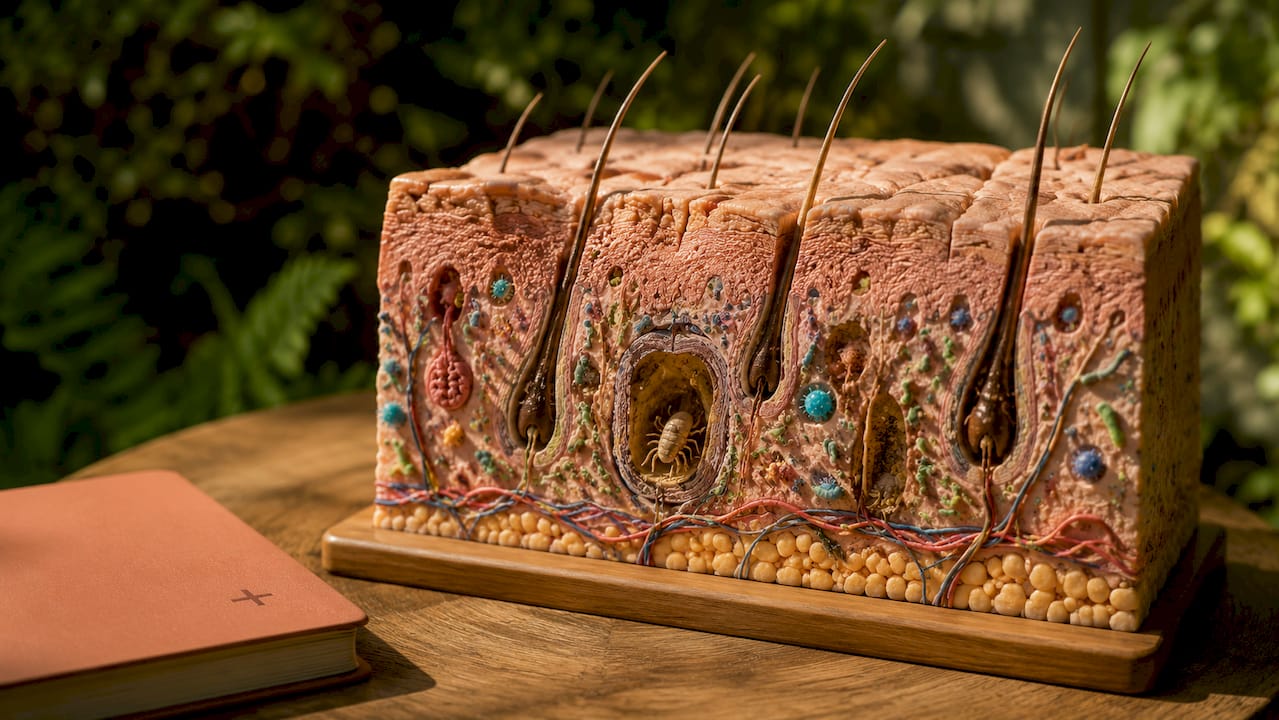
Microbial density varies significantly depending on location. Hair follicles and sebaceous glands shelter far higher microbial populations than exposed skin surfaces, where harsh environmental factors limit colonization. The oily zones of your face, chest, and back host different species than the dry zones of your forearms or the moist zones of your armpits and groin. Each zone has its own pH, oxygen level, sebum content, and moisture profile, which shapes which microbes thrive there.
Pro Tip: Microbial diversity correlates positively with skin moisture. Balanced skin types consistently show higher microbial diversity than dry or oily skin types, which means supporting hydration is also supporting your microbiome.
The table below shows the key microbial players and their primary roles:
| Microorganism | Location | Primary Role |
|---|---|---|
| Cutibacterium acnes | Sebaceous follicles | Sebum metabolism; can trigger acne when overgrown |
| Staphylococcus epidermidis | Skin surface | Produces antimicrobials; competes against pathogens |
| Malassezia (fungus) | Oily skin zones | Lipid metabolism; linked to dandruff and seborrheic dermatitis |
| Demodex (mite) | Hair follicles | Normal resident; overgrowth linked to rosacea |
| Bacteriophages (viruses) | Skin surface and follicles | Regulate bacterial populations |
These microbes do not simply coexist. They interact with each other and with your skin's own cells in constant negotiation. Staphylococcus epidermidis, for example, produces molecules that suppress Staphylococcus aureus, a known pathogen. That competition is one of the reasons a diverse microbiome is protective by design.
How does the skin microbiome influence skin health and disease?
The skin microbiome maintains homeostasis through two primary mechanisms: immune modulation and physical barrier support. When the microbial community is balanced, your skin stays resilient. When it is not, the consequences show up as visible, often chronic conditions.
The microbiome produces antimicrobial molecules including short-chain fatty acids and bacteriocins that directly inhibit pathogens and signal the immune system to stay calibrated. These molecules are not passive byproducts. They are active defense tools that keep inflammation from spiraling out of control.
Dysbiosis, the term for microbial imbalance, is now directly linked to several common skin disorders:
- Atopic dermatitis (eczema): Overgrowth of Staphylococcus aureus disrupts the skin barrier and triggers inflammatory flares. Transmission of identical S. aureus strains within family units is a documented factor in recurrence.
- Acne: Cutibacterium acnes overgrowth in sebaceous follicles drives inflammation, though the species itself is a normal resident at balanced levels.
- Psoriasis: Reduced microbial diversity on lesional skin is consistently observed, suggesting a loss of protective species.
- Rosacea: Demodex mite overgrowth is associated with flare severity in subtype II rosacea.
The comparison below shows what distinguishes a healthy microbiome from a dysbiotic one:
| Feature | Healthy Microbiome | Dysbiotic Microbiome |
|---|---|---|
| Microbial diversity | High | Low |
| Dominant species | S. epidermidis, Cutibacterium | S. aureus, pathogenic fungi |
| Barrier function | Intact | Compromised |
| Inflammatory markers | Low | Elevated |
| Skin appearance | Calm, hydrated | Reactive, dry, or inflamed |
Skin microbiome and acne are directly connected through this balance. Acne is not simply about bacteria being present. It is about which bacteria dominate and in what proportion. That distinction changes how you approach treatment entirely.
How can you maintain a healthy skin microbiome?
Maintaining skin microbiome health starts with recognizing what disrupts it. Harsh skincare practices including aggressive cleansers, antibacterial soaps, and over-sanitization strip beneficial microbes alongside harmful ones. The result is a less diverse, more reactive skin surface.
Here are the most effective ways to protect and restore microbial balance:
- Choose gentle, pH-balanced cleansers. Skin pH sits around 4.5–5.5. Products that push pH higher disrupt the acid mantle and favor pathogen growth. A gentle cream cleanser maintains that balance without stripping the microbiome.
- Avoid over-washing. Twice daily cleansing is sufficient for most skin types. More frequent washing removes the lipid layer that beneficial microbes depend on.
- Use moisturizers with prebiotic ingredients. Prebiotics feed beneficial bacteria. Ingredients like inulin, oat extract, and beta-glucan support microbial diversity without introducing live organisms.
- Limit broad-spectrum antibiotics and antimicrobial products. These do not discriminate between harmful and beneficial microbes. Reserve them for clinical need.
- Support the gut-skin axis. Probiotics and diet influence skin microbiome balance systemically. Fermented foods, fiber-rich diets, and targeted probiotic supplements show measurable effects on skin inflammation.
Emerging interventions include live biotherapeutic products, which are formulations containing live beneficial bacteria designed to recolonize disrupted skin. These are distinct from standard probiotics and are currently in clinical development for conditions like atopic dermatitis. Personalized skincare based on individual microbial analysis is also moving from research labs into consumer applications.
Pro Tip: When switching to a new cleanser or moisturizer, give your microbiome at least four weeks to adjust. Microbial communities shift slowly, and short-term reactions do not always reflect long-term compatibility.
What are the latest advances in skin microbiome research?
Skin microbiome research has accelerated sharply since 2023, driven by three converging technologies. Each one opens a different window into how the microbial community functions and fails.
-
Metagenomic sequencing. This approach sequences all genetic material in a skin sample, not just cultivable bacteria. It reveals the full microbial community, including previously uncultivable microbes that standard lab methods miss entirely. The result is a far more accurate picture of what lives on your skin and what those organisms are doing.
-
Single-cell transcriptomics. This technology profiles gene expression in individual cells, both microbial and human. It shows how skin cells and microbes communicate in real time, which is critical for understanding how dysbiosis triggers inflammation at the cellular level.
-
Metabolomics. This approach maps the chemical compounds that microbes produce on skin. It connects specific metabolites to specific skin outcomes, creating a direct line between microbial activity and conditions like acne, eczema, and barrier breakdown.
Together, these tools are enabling personalized microbial therapies that adjust bacterial behavior without damaging the overall microbial community or skin barrier. Engineered antimicrobials, for example, can now target a single pathogenic species without broad collateral damage.
The gut-skin axis is another active research frontier. Studies show that systemic inflammation originating in the gut can alter skin microbiome composition, which means long-term skin vitality depends on more than topical care alone. Dermatology is shifting from broad sterilization toward microbial ecology management, a paradigm change with real implications for how skin conditions are treated.
Artificial intelligence is also entering the picture. Multi-omics and AI integration now allow detailed skin microbiome profiling at a scale and speed that was impossible five years ago. Clinical translation of these tools into consumer skincare is the next major step.
Key takeaways
The skin microbiome is a living, functional defense system, and protecting its diversity is the most direct path to resilient, balanced skin.
| Point | Details |
|---|---|
| Microbiome definition | The skin microbiome is the community of bacteria, fungi, viruses, and mites regulating skin health. |
| Dysbiosis drives disease | Imbalances like S. aureus overgrowth directly cause atopic dermatitis flares and worsen acne. |
| Harsh products cause harm | Aggressive cleansers and antibacterial soaps strip beneficial microbes and reduce skin resilience. |
| Research is advancing fast | Metagenomics, metabolomics, and AI are enabling personalized, targeted microbiome therapies. |
| Systemic factors matter | Diet, probiotics, and gut health influence skin microbiome balance beyond topical care alone. |
Why most skincare advice gets the microbiome wrong
Most skincare advice still treats bacteria as the enemy. After years of working in this space, I find that framing genuinely frustrating. The instinct to sanitize, strip, and sterilize is deeply embedded in consumer culture, and it is doing real damage to skin health at a population level.
The science is clear: a diverse, balanced microbiome is protective. Disrupting it with harsh products does not give you cleaner skin. It gives you more reactive, more vulnerable skin. I have seen this pattern repeatedly, where someone with sensitive or acne-prone skin is using the most aggressive cleansing routine possible and wondering why nothing improves.
The shift I find most promising in current dermatology is the move toward mindful skincare with natural ingredients, where the goal is to support the skin's existing biology rather than override it. That means gentler formulations, fewer actives used simultaneously, and more attention to what the microbiome actually needs. It also means accepting that some bacteria on your skin are not a problem to solve. They are the solution.
— Kelly
Microbiome-friendly skincare. natural. vegan. effective.
Understanding your skin microbiome changes how you choose products. Gentle, plant-based formulations protect microbial diversity where harsh synthetics strip it away.

Yukaface builds every product around this principle. Vegan, natural ingredients that work with your skin's biology, not against it. From vegan skincare essentials to a structured morning skincare routine designed to support barrier function, Yukaface offers a practical starting point for anyone ready to treat their microbiome as the asset it is. Clean formulas. No compromise.
FAQ
What is the skin microbiome in simple terms?
The skin microbiome is the community of microorganisms, including bacteria, fungi, viruses, and mites, that live on your skin and protect it from pathogens while regulating immune function.
What disrupts the skin microbiome?
Harsh cleansers, antibacterial soaps, over-washing, broad-spectrum antibiotics, and environmental stressors all reduce microbial diversity and compromise the skin's natural defenses.
How are skin microbiome and acne connected?
Acne develops when Cutibacterium acnes overgrows in sebaceous follicles, often because microbial balance has been disrupted. A diverse microbiome keeps this species in check at non-inflammatory levels.
Can you restore a disrupted skin microbiome?
Yes. Switching to gentle, pH-balanced products, incorporating prebiotic ingredients, and supporting gut health through diet and probiotics can help restore microbial balance over several weeks.
What are the benefits of a healthy skin microbiome?
A balanced skin microbiome produces antimicrobial molecules, supports barrier integrity, modulates immune response, and reduces the risk of conditions like eczema, acne, and rosacea.