
TL;DR:
- Clean ingredients are simple, recognizable, minimally processed components that promote transparency and safety.
- Since there is no official regulatory standard, brands can label products as "clean" without meeting specific criteria.
Clean ingredients are product components that are simple, recognizable, and minimally processed, used to promote transparency and safety in personal care products and food. The term has no official FDA or international regulatory definition as of 2026. That matters because any brand can call its product "clean" without meeting a legal standard. This guide explains what clean ingredients actually mean, how to spot them on a label, and why the distinction matters for your skin and your health.
What is clean ingredients? definition and key characteristics
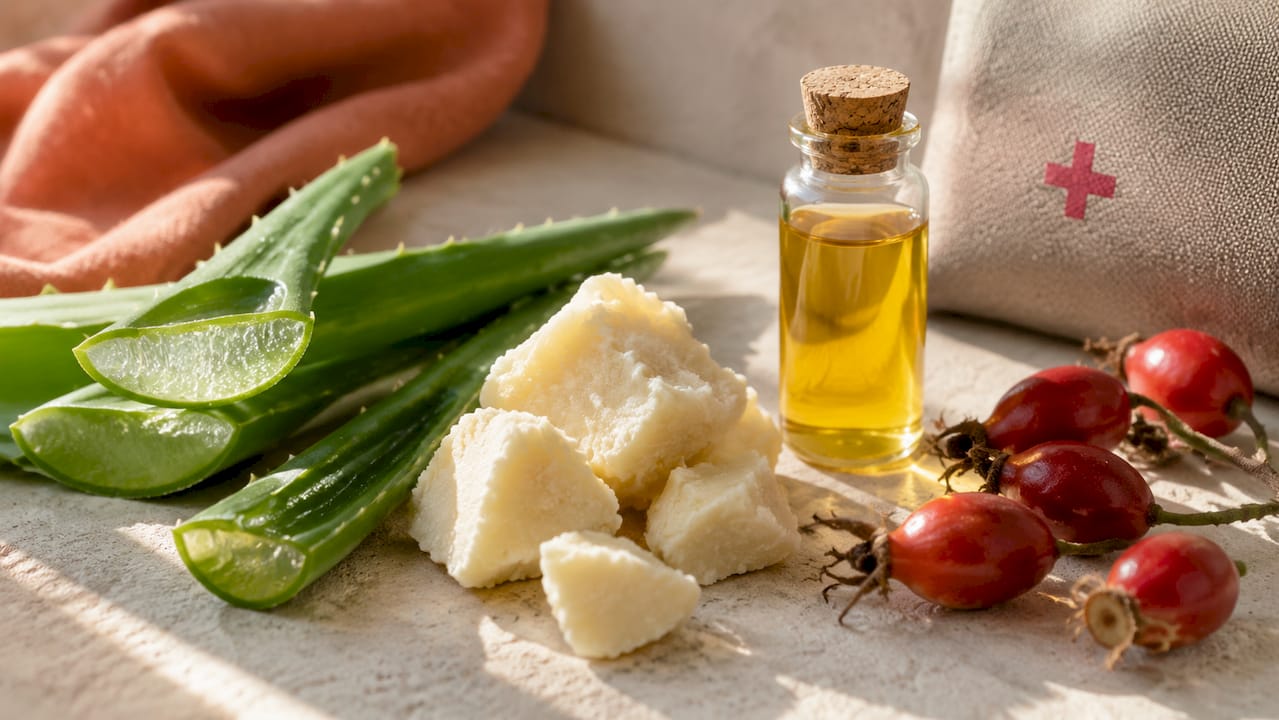
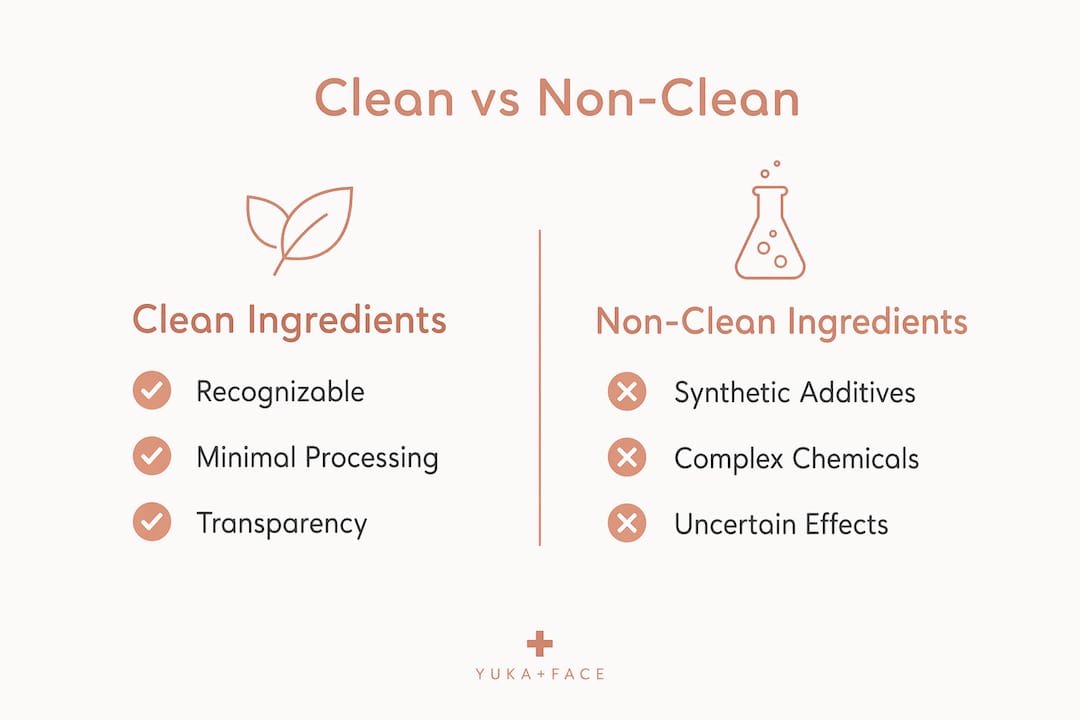
Clean ingredients, also called "clean label" ingredients in the industry, are defined by three core qualities: recognizability, minimal processing, and transparency. You should be able to read an ingredient and know what it is without a chemistry degree. Shea butter, aloe vera, jojoba oil, and oat extract are clean. Butylated hydroxyanisole (BHA) and tertiary butylhydroquinone (TBHQ) are not.
The clean label concept is driven more by consumer expectation than by formal legislation. That gap creates real risk. Brands can use "natural-sounding" additive names or vague labeling to mask significant processing, and most consumers never notice.
Industry experts recommend the "5-ingredient rule" as a practical starting point. A clean product ideally contains five or fewer ingredients, each one serving a clear function. Classic bread, for example, needs only flour, water, yeast, salt, and oil. Anything beyond that signals added complexity.
Clean vs. non-clean: a direct comparison
| Category | Clean Ingredient | Non-Clean Alternative |
|---|---|---|
| Preservative | Vitamin C (ascorbic acid) | TBHQ, BHA, BHT |
| Moisturizer | Shea butter, jojoba oil | Mineral oil, petrolatum |
| Colorant | Beet extract, turmeric | Red 40, Yellow 5 (synthetic dyes) |
| Fragrance | Rose water, lavender essential oil | "Fragrance" (undisclosed synthetic blend) |
| Thickener | Beeswax, carnauba wax | PEG compounds |
Vitamin C preserves freshness naturally, while TBHQ maximizes industrial shelf life. The difference is not just chemical. It reflects a fundamentally different priority: your wellbeing versus product longevity.
Pro Tip: Look for ingredients you could theoretically find in a kitchen or garden. If you need a chemistry reference to decode the name, treat it as a red flag.
How do you read an ingredient list correctly?
Ingredient lists follow one universal rule: ingredients appear in descending order by weight. The first ingredient makes up the largest portion of the product. The last makes up the least. This single fact changes how you evaluate everything.
Sugar in the top three ingredients signals high content, regardless of how short or "clean" the rest of the list looks. The same logic applies to refined fats, synthetic preservatives, and artificial dyes. Position matters as much as presence.
Front-of-pack claims like "natural," "wholesome," and "no artificial flavors" are not regulated by any agency. They can legally coexist with the very additives they imply are absent. The ingredient list is the only legally regulated source of truth on any product label.
Common additives to avoid
- BHA and BHT: Synthetic antioxidants used as preservatives; linked to endocrine disruption concerns
- TBHQ: An industrial-grade preservative common in processed foods and some cosmetics
- Synthetic dyes: Red 40, Yellow 5, Blue 1; used for color with no nutritional or functional benefit
- Phthalates: Plasticizers found in some fragrance blends; associated with hormone disruption
- Parabens: Preservatives in personal care products; flagged for potential estrogenic activity
- Sulfates (SLS/SLES): Foaming agents that can strip the skin barrier and cause irritation
Pro Tip: Skip the front label entirely on your first read. Flip the product over and go straight to the ingredient list. Count the ingredients, check the first three, and scan for any names from the list above.
What are the benefits and limitations of clean ingredients?
Choosing products with clean ingredients reduces your exposure to synthetic additives with uncertain long-term effects. It also forces greater transparency from brands, which benefits the entire market. Consumers who read labels carefully tend to make more informed choices across all product categories, not just skincare.
The limitations are real, though. Clean label describes ingredients, not overall nutrition. A product can carry a short, recognizable ingredient list and still be high in refined sugar or saturated fat. "Clean" does not automatically mean healthy, balanced, or effective.
The psychological dimension deserves attention too. Orthorexia nervosa can develop through rigid obsession with ingredient purity and restriction. When the pursuit of "clean" becomes a source of anxiety rather than empowerment, the approach has gone too far. Balance is the standard, not perfection.
Here is a grounded way to think about the benefits and limitations:
- Reduced additive exposure. Fewer synthetic preservatives and dyes means less cumulative chemical load on your body and skin.
- Greater brand accountability. Brands that commit to clean labels face more scrutiny, which generally raises product quality.
- No regulatory guarantee. Without a legal definition, "clean" is a promise, not a certification. Verify it yourself.
- Nutritional blind spots. In food, a clean label can still mean high sugar or refined carbs. Ingredient quality and nutritional value are separate questions.
- Risk of rigidity. Treating clean as a binary standard rather than a spectrum leads to unnecessary stress and exclusion of genuinely beneficial products.
"Clean is a spectrum, not a switch. A product with six recognizable ingredients is cleaner than one with twenty synthetic additives, even if neither carries a certification."
Clean ingredients in cosmetics: what you need to know
Clean ingredients in skincare are defined by what they exclude as much as what they include. Parabens, phthalates, sulfates, and synthetic dyes are the most commonly avoided chemicals in clean beauty formulations. Credo Beauty, one of the leading clean beauty retailers in the U.S., bans over 2,700 ingredients from its shelves. That number illustrates how many conventional cosmetic ingredients fall outside what informed consumers consider acceptable.
Clean skincare ingredients tend to be carrier oils, botanical extracts, and plant-derived actives. These work with your skin's natural biology rather than overriding it. For sensitive skin types, this distinction is especially significant. Synthetic fragrance blends, for example, are one of the leading causes of contact dermatitis. Replacing them with rose water or lavender essential oil reduces that risk without sacrificing sensory experience.
Efficacy is a fair concern. Some consumers assume clean products perform less effectively than conventional ones. That assumption is outdated. Ingredients like niacinamide (derived from vitamin B3), bakuchiol (a plant-based retinol alternative), and hyaluronic acid are both clean and clinically supported. The plant-based skincare category has expanded significantly, with formulations that match or exceed conventional products in measurable outcomes.
Popular clean skincare ingredients and their benefits
| Ingredient | Source | Primary Benefit |
|---|---|---|
| Aloe vera | Succulent plant | Soothes irritation, hydrates |
| Shea butter | Shea tree nut | Deep moisture, barrier repair |
| Jojoba oil | Jojoba shrub seed | Balances sebum, non-comedogenic |
| Rosehip oil | Rosa canina fruit | Brightens, reduces scarring |
| Bakuchiol | Psoralea corylifolia plant | Retinol-like anti-aging, gentle |
| Niacinamide | Vitamin B3 | Reduces pores, evens skin tone |
| Green tea extract | Camellia sinensis | Antioxidant, anti-inflammatory |
The clean beauty guide from Yukaface covers how these ingredients function within a complete skincare routine. Understanding each ingredient's role helps you build a routine that works for your specific skin type rather than following generic advice.
For sensitive skin, the sensitive skin approach prioritizes minimal ingredient lists and avoidance of known irritants. That aligns directly with clean ingredient principles. Fewer ingredients means fewer potential triggers.
Key takeaways
Clean ingredients are defined by recognizability, minimal processing, and transparency, not by any regulatory standard, making label literacy the most reliable tool for consumers.
| Point | Details |
|---|---|
| No regulatory definition | "Clean" is unregulated; the ingredient list is the only verified source of truth. |
| Use the 5-ingredient rule | Shorter lists with recognizable names signal less processing and fewer additives. |
| Position reveals priority | Ingredients listed first make up the largest share; sugar in the top three is a red flag. |
| Clean does not mean healthy | A clean label describes ingredient simplicity, not nutritional value or overall safety. |
| Skincare has clear clean standards | Avoiding parabens, phthalates, sulfates, and synthetic dyes defines clean cosmetics. |
Clean ingredients in practice: what i've learned
I used to read ingredient lists the way most people do: scanning for one or two buzzwords and moving on. It took a while to realize that approach was exactly what brands were counting on.
The shift that made the biggest difference was stopping at the first three ingredients. If those are recognizable and functional, the product is worth considering. If sugar, mineral oil, or a synthetic preservative leads the list, no amount of "natural" on the front label changes what you are actually applying to your skin.
What I have found is that clean ingredient shopping works best as a practice, not a rule. You do not need to throw out every product that contains a preservative. You need to know which preservatives are functional and which are industrial-grade shortcuts. Vitamin C as a preservative is a different category than TBHQ. That distinction matters.
For skincare specifically, I prioritize ingredient lists with five to ten items, botanical actives I recognize, and no synthetic fragrance. A mindful skincare routine built on those criteria does not require obsession. It requires about sixty seconds of label reading per product. That is a reasonable trade for knowing what you put on your skin every day.
The other thing worth saying: clean ingredients are not a personality. They are a preference. Apply them where they matter most to you and let the rest go.
— Kelly
Explore clean skincare with Yukaface
Yukaface builds every product around one standard: ingredients you can recognize, sourced from nature, formulated without compromise. No parabens, no synthetic dyes, no hidden fragrance blends.

If you are ready to put clean ingredients into practice, the vegan skincare guide from Yukaface is a direct starting point. It covers ingredient selection, routine building, and the philosophy behind ethical formulation. For a structured daily approach, the morning skincare routine guide walks through each step with clean ingredient recommendations for every skin type. Yukaface products are 100% natural, cruelty-free, and created for all skin types and ages.
FAQ
What is the definition of clean ingredients?
Clean ingredients are product components that are simple, recognizable, and minimally processed. No government agency regulates the term, so it functions as a consumer-led standard based on ingredient transparency.
How do i identify clean ingredients on a label?
Read the ingredient list, not the front label. Look for five or fewer recognizable ingredients, check that sugar or synthetic preservatives do not appear in the top three positions, and avoid products listing BHA, BHT, TBHQ, or synthetic dyes.
Are clean ingredients the same as organic ingredients?
No. Organic refers to how an ingredient is grown or produced, governed by USDA certification standards. Clean refers to ingredient simplicity and the absence of synthetic additives. A product can be organic but not clean, or clean but not certified organic.
What are examples of clean ingredients in skincare?
Common clean skincare ingredients include aloe vera, shea butter, jojoba oil, rosehip oil, bakuchiol, niacinamide, and green tea extract. These are plant-derived, recognizable, and backed by evidence for skin health benefits.
Can clean ingredients still cause skin reactions?
Yes. Natural and botanical ingredients can trigger allergies or sensitivities in some individuals. Essential oils, nut-derived butters, and certain plant extracts are common examples. Clean does not mean hypoallergenic. Patch testing remains the safest approach when trying new products.