
TL;DR:
- Aging gracefully involves maintaining physical, mental, emotional, and social well-being to improve quality of life over time. Starting healthy habits early, especially in your 30s and 40s, builds a strong foundation for later decades. Prioritizing relationships, resilience, and personalized routines supports long-term vitality and fulfillment.
Aging gracefully is defined as the active practice of maintaining physical vitality, mental sharpness, emotional balance, and social connection to live well throughout the lifespan. The term is popular, but the clinical concept behind it is healthspan: the number of years you live free from disabling disease and decline. Aging gracefully rests on five core pillars: physical health, mental curiosity, emotional and spiritual balance, social connection, and purpose. It is not about looking younger. It is about functioning better, feeling more engaged, and building a life that holds its quality decade after decade.
What is aging gracefully, and why does it start now?
Aging gracefully is a proactive process, not a passive one. Healthspan depends on metabolic flexibility, strength, and preventing chronic disease through daily lifestyle choices. The habits you build in your 30s and 40s determine how well your body and mind function in your 60s and 70s. Waiting until symptoms appear is the single biggest mistake people make.
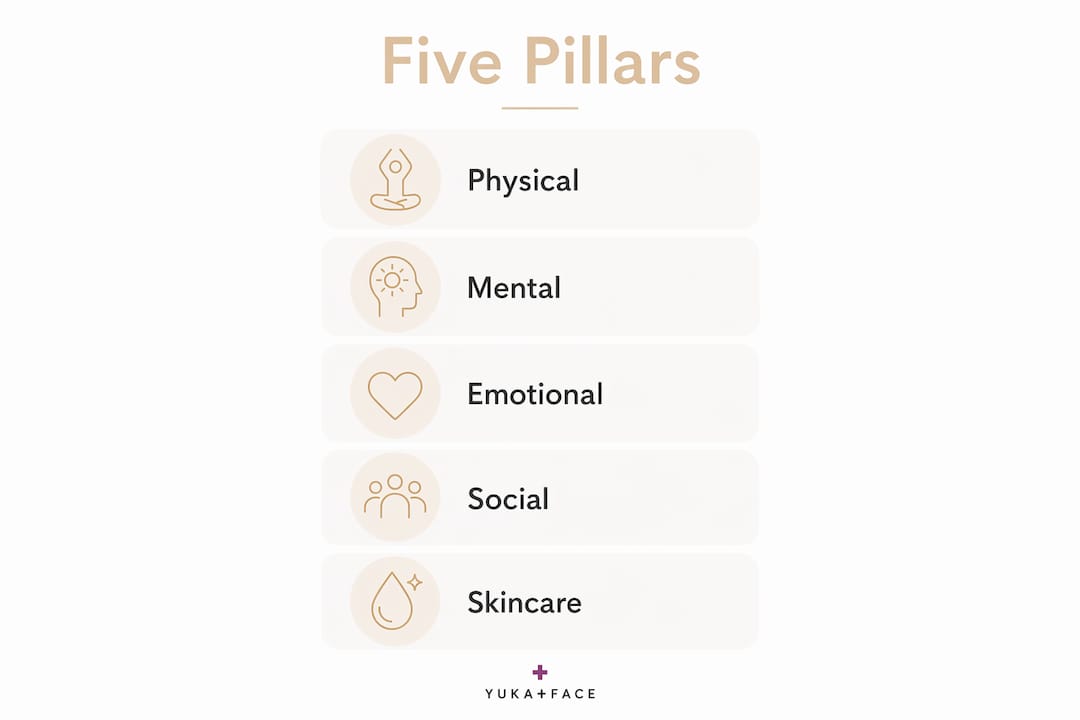
The five-pillar framework gives you a clear structure. Physical health covers movement, nutrition, and sleep. Mental curiosity covers learning and cognitive engagement. Emotional and spiritual balance covers resilience and meaning. Social connection covers relationships and community. Purpose covers the sense that your days matter. Each pillar reinforces the others, and neglecting one weakens the whole structure.
What physical habits support aging gracefully?
Physical health is the most measurable pillar, and the research is specific. Strength training 2–3 times weekly preserves muscle mass and counters sarcopenia, the age-related muscle loss that steals independence. Aerobic exercise and balance training round out a complete movement routine. You do not need a gym membership. Bodyweight squats, resistance bands, and brisk walking all qualify.
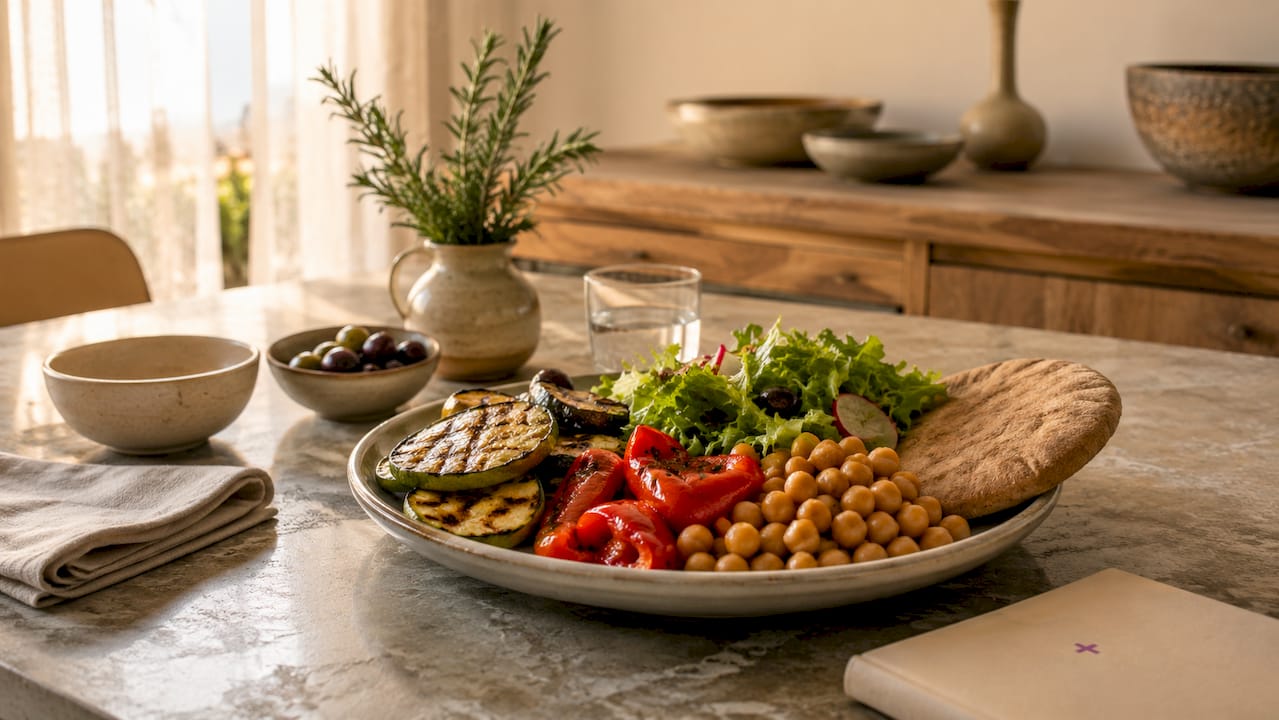
Nutrition shifts matter as you age. Mediterranean-style diets are linked to reductions in chronic diseases associated with aging, including cardiovascular disease and cognitive decline. Prioritize whole plants, adequate protein for muscle maintenance, and reduced ultra-processed foods. Protein needs increase with age, so do not underestimate this shift.
Sleep is not optional recovery. Healthy sleep spans 7–9 hours nightly, and poor sleep accelerates age-related decline across every system in the body. Stress management pairs directly with sleep quality. Chronic stress raises cortisol, which degrades muscle tissue, disrupts sleep, and accelerates cellular aging.
Routine health screenings complete the physical picture. Blood pressure, cholesterol, blood glucose, and bone density checks catch problems before they become crises. Preventative care is not reactive medicine. It is the physical equivalent of maintaining a car before it breaks down.
- Movement: Aerobic exercise most days, strength training 2–3 times weekly, balance work at least twice weekly
- Nutrition: Plant-forward, adequate protein, Mediterranean-style eating patterns
- Sleep: 7–9 hours nightly, consistent schedule, low-stimulus wind-down routine
- Screenings: Annual blood work, bone density after 50, regular blood pressure checks
- Stress: Daily stress reduction through breathwork, walking, or mindfulness practice
Pro Tip: Add one resistance exercise to your morning routine before breakfast. Research on muscle protein synthesis shows morning training combined with a protein-rich breakfast produces better muscle maintenance results than evening-only training.
How does mindset shape the experience of aging well?
Mindset is the pillar most people underestimate. Shifting from a deficit focus to a strengths-based, adaptive resilience mindset measurably improves psychological health during aging. Deficit thinking frames every gray hair and slower recovery as a loss. Strengths-based thinking frames the same changes as evidence of a life fully lived and asks what you can still build.
Adaptive resilience means updating your identity before age forces you to. People who reframe who they are in their 40s, before major physical changes arrive, navigate later decades with far less psychological disruption. This is not positive thinking. It is deliberate identity work.
Aging gracefully requires setting the stage for natural age changes so they do not reduce life quality. Proactive daily habits, including brain exercises and consistent sleep, are the foundation of that preparation.
Mental engagement is the practical application of a growth mindset. Learning new skills, maintaining social interaction, and staying curious all reduce the risk of age-related cognitive decline. This does not require formal education. Learning a language, taking up a craft, or reading outside your usual subjects all count. The brain responds to novelty and challenge at any age.
- Audit your self-talk. Notice how often you frame aging as loss versus change. Replace "I can't do that anymore" with "I do that differently now."
- Schedule learning. Block 20–30 minutes daily for a new skill or subject. Consistency matters more than intensity.
- Practice stress labeling. Name the stressor, write it down, and identify one thing within your control. This reduces the cortisol response.
- Build a purpose statement. Write one sentence describing what you want your days to contribute. Review it monthly and adjust as life changes.
What role does social connection play in aging gracefully?
Social connection is not a soft benefit. Social isolation can be as detrimental to longevity as smoking or physical inactivity. That is a hard finding, not a metaphor. Proactive maintenance of your social network is as important as your exercise routine.
Social connectedness plays a primary role in aging quality, independent of lifespan. Feelings of security, being valued, and access to supportive networks all contribute to how well people age. The quality of your social environment shapes your biology. Perceived isolation raises inflammatory markers and disrupts sleep, two pathways that accelerate physical aging.
Multi-generational connection adds a specific benefit. Relationships with people younger and older than you expose you to different perspectives, keep you mentally flexible, and reduce the insularity that comes with aging into a single social circle. Volunteerism and community involvement serve the same function. They provide structure, purpose, and regular human contact outside your immediate family.
- Join a class, club, or group that meets weekly. Regularity builds relationships faster than occasional events.
- Volunteer in a role that uses a skill you have. Teaching, mentoring, and coaching all create meaningful connection.
- Schedule one-on-one time with people outside your age group. Lunch with a colleague 20 years younger or older counts.
- Audit your current relationships annually. Are they reciprocal? Do they leave you energized or depleted?
Maintaining multigenerational ties and community involvement reduces isolation and promotes longevity. This is one of the most consistent findings across aging research, and it costs nothing to act on.
How to build a personal approach to aging gracefully
A personal approach to aging well works best when it starts early and stays flexible. Effective graceful aging requires starting mental and identity shifts well before older age to build psychological resilience. The same applies to physical habits. Starting strength training at 35 is dramatically more effective than starting at 65, because you begin from a higher baseline.
Tailoring your routine to your preferences increases adherence. If you hate running, swim or cycle. If group fitness bores you, lift weights alone. The best exercise is the one you will actually do consistently. The same logic applies to nutrition. A Mediterranean-style pattern is a framework, not a rigid prescription. Adapt it to your food culture, budget, and preferences.
Skin and beauty care belong in a personal aging plan, not as vanity, but as self-respect. Consistent care with vegan skincare formulas that use botanical antioxidants, vitamins, and essential oils supports skin health without harsh chemicals. Yuka+Face builds its products on this principle: natural ingredients that work with your skin's biology, not against it. For guidance on skin texture and ingredient choices, resources like aging skin ingredients offer useful context on what actually works as skin matures.
Pro Tip: Do a quarterly self-assessment across all five pillars. Rate each one from 1 to 5. The lowest score tells you where to focus next. This keeps your approach balanced and prevents over-investing in one area while neglecting another.
| Pillar | Starting point | Practical habit |
|---|---|---|
| Physical health | Movement 3x weekly | Add one strength session per week |
| Mental curiosity | 20 min daily learning | Pick one new subject per quarter |
| Emotional balance | Stress audit | Daily journaling or breathwork |
| Social connection | Weekly social contact | Join one recurring group activity |
| Purpose | Written purpose statement | Review and revise every six months |
Key takeaways
Aging gracefully is a five-pillar practice combining physical health, mental engagement, emotional resilience, social connection, and purpose, and it works best when started in your 30s or 40s.
| Point | Details |
|---|---|
| Healthspan over lifespan | Focus on living free from disabling disease, not just living longer. |
| Start physical habits early | Strength training and plant-forward nutrition in your 30s build a stronger baseline for later decades. |
| Mindset is foundational | Shifting from deficit thinking to strengths-based resilience measurably improves aging outcomes. |
| Social connection is biological | Isolation raises inflammation and disrupts sleep; proactive relationship maintenance is non-negotiable. |
| Personalize your approach | Tailor movement, nutrition, and skin care to your preferences to sustain habits long-term. |
What I have learned about aging well that most articles skip
Most aging advice focuses on what to stop doing: stop eating sugar, stop skipping the gym, stop ignoring your skin. That framing is exhausting, and it is rooted in deficit thinking. The people I have seen age with the most vitality are not the ones who eliminated the most things. They are the ones who added the most meaning.
The shift that matters most is identity, not behavior. When you decide at 38 or 45 that you are someone who values physical capability, intellectual growth, and deep relationships, the behaviors follow naturally. When you try to bolt on healthy habits without updating your self-concept, they fall away under pressure. This is why willpower-based approaches to aging well have such poor long-term results.
Social isolation is the risk factor I see most underestimated, especially among people in their 40s and 50s who are busy with careers and family. Friendships narrow. Community ties thin out. By the time people notice the gap, it has been years in the making. The fix is not dramatic. It is one recurring commitment, kept consistently, that puts you in contact with people who challenge and support you.
Start now. Not because aging is a threat, but because the life you build in the next decade is the one you will actually live in the decade after that.
— Kelly
Yuka+Face and the skin side of aging well
Skin care is one part of a complete aging strategy, and the right approach makes a real difference.

Yuka+Face formulates every product with 100% natural, vegan ingredients chosen for their antioxidant and restorative properties. The morning skin care routine guide covers hydration and protection steps that support skin health as it matures. For a deeper look at how plant-based formulas work with aging skin, the vegan skincare guide explains ingredient choices and daily application. Skin care done consistently, with clean ingredients, is self-care that compounds over time. Explore the full Yuka+Face range at yukaface.com.
FAQ
What does aging gracefully mean?
Aging gracefully means actively maintaining physical health, mental sharpness, emotional balance, and social connection to preserve quality of life as you age. It prioritizes healthspan over lifespan and focuses on strengths rather than decline.
When should I start practicing graceful aging habits?
Starting in your 30s or 40s produces the best results. Building habits early creates a stronger physical and psychological baseline before major age-related changes occur.
What are the most important tips for graceful aging?
The most effective habits are strength training 2–3 times weekly, a plant-forward diet with adequate protein, 7–9 hours of sleep nightly, active social engagement, and consistent stress management.
Does social connection really affect how you age?
Yes. Social isolation carries health risks comparable to smoking or physical inactivity. Maintaining supportive relationships and community ties directly improves both physical and cognitive aging outcomes.
How does skin care fit into aging gracefully?
Consistent skin care with clean, antioxidant-rich ingredients supports skin health as it matures. A holistic skin aging approach treats skin care as one component of overall well-being, not a separate vanity practice.