
TL;DR:
- Face serums are primarily classified by formulation base—oil, gel, water, emulsion, or pressed balm—that influences absorption and active delivery. Matching the serum base to your skin type and concern ensures better results and reduces adverse reactions. Using one or two targeted, well-suited serums in the correct layering order provides an effective and simple skincare routine.
Face serums are concentrated skincare treatments classified primarily by formulation base, with five main categories in 2026: oil-based, gel-based, water-based, emulsion, and pressed balm. Each base determines how a serum feels, absorbs, and delivers active ingredients to the skin. Knowing the types of face serums by base, not just by buzzword ingredient, is the most reliable way to match a product to your skin type and goals. Active ingredients like hyaluronic acid, vitamin C, retinol, niacinamide, and bakuchiol each perform differently depending on the base they are carried in. This guide breaks down every major serum category so you can select with confidence.
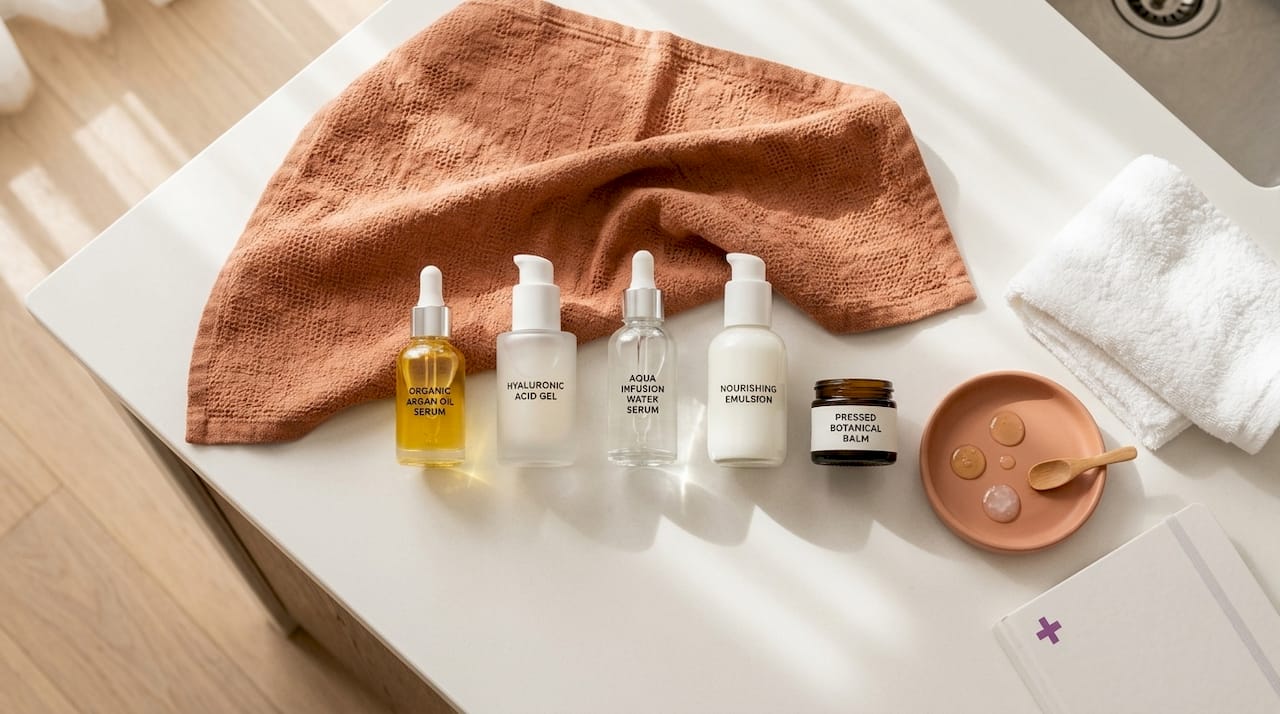
1. The five main types of face serums by formulation base
Serums are delivery systems where the base influences not only skin feel but also how actives penetrate and perform. Selecting the wrong base for your skin barrier condition can cause dryness or breakouts even when the active ingredients are exactly right. The five formulation bases cover the full spectrum of skin needs, from very dry to very oily.
-
Oil-based serums. Lipid-rich formulas that reinforce the skin barrier and lock in moisture. Best for dry, mature, or compromised skin. Common ingredients include rosehip oil, squalane, and marula oil. Not recommended for acne-prone skin because heavier lipids can clog pores.
-
Gel-based serums. Water-rich, lightweight formulas with a cooling texture. They absorb quickly and suit oily, combination, or acne-prone skin. Typical actives include niacinamide, salicylic acid, and aloe vera.
-
Water-based serums. Humectant-focused formulas built around ingredients like hyaluronic acid and glycerin. They absorb almost instantly, layer well under other products, and work for sensitive or dehydrated skin of any type.
-
Emulsion serums. A blend of oil and water phases that delivers balanced hydration and nourishment in one step. Texture sits between a serum and a light moisturizer. Suitable for normal to combination skin that needs both hydration and some lipid support.
-
Pressed balm serums. Solid, water-free formulas that protect very dry skin by forming a lipid barrier on contact. They provide occlusive benefits and are best reserved for extremely dry or environmentally stressed skin. Too heavy for oily or acne-prone types.
Pro Tip: When building your skincare routine, apply serums from thinnest to thickest texture. Water-based serums go first, followed by emulsions, and oil-based formulas last before moisturizer.
2. How serum types align with skin concerns and goals
The best face serum types for any skin concern are those where the formulation base supports, rather than conflicts with, the active ingredient's job. A brightening vitamin C serum in a water-based formula absorbs faster and oxidizes less than the same vitamin C in a heavy oil base. Matching base to goal is as important as reading the ingredient list.
-
Hydration. Gel-based and water-based serums with hyaluronic acid and glycerin are the standard choice. Hyaluronic acid draws moisture into the skin; glycerin holds it there. These formulas suit all skin types and are the safest starting point for anyone new to serums.
-
Brightening. Water-based and emulsion serums carrying vitamin C (ascorbic acid or its derivatives), alpha arbutin, or niacinamide address uneven tone and dullness. Serums for glowing skin in this category work best applied in the morning before SPF.
-
Anti-aging. Retinol, peptides, and bakuchiol appear across multiple bases. Retinol in a water-based or emulsion formula is generally better tolerated than in a heavy oil base. Bakuchiol, a plant-derived retinol alternative, is often found in oil-based or emulsion serums and suits sensitive skin that cannot tolerate retinol.
-
Acne management. Dermatologists recommend hydroxy acids (AHA/BHA) and niacinamide in gel or water-based formulas for acne-prone skin. Salicylic acid exfoliates inside the pore; niacinamide reduces redness and sebum production. Non-comedogenic formulas are non-negotiable here.
-
Soothing and barrier repair. Water-based and emulsion serums with ceramides, panthenol, and centella asiatica calm reactive or sensitized skin. For sensitive skin, fragrance-free formulas with these ingredients are the safest choice and reduce the risk of irritation significantly.
Pro Tip: You do not need a separate serum for every concern. One hydration serum plus one targeted serum for your primary goal is a practical, low-risk starting point.
3. Comparing serum types: pros, cons, and skin fit
Understanding the trade-offs between different kinds of serums helps you avoid common mistakes, like choosing a rich oil-based formula for oily skin or a lightweight water serum for a severely dry barrier.
| Serum type | Best for | Pros | Cons |
|---|---|---|---|
| Oil-based | Dry, mature skin | Barrier repair, rich nourishment | Can clog pores; avoid if acne-prone |
| Gel-based | Oily, acne-prone skin | Lightweight, fast-absorbing | Less nourishing; may not support dry skin |
| Water-based | All types, sensitive skin | Quick absorption, easy layering | May need added lipid support for dry skin |
| Emulsion | Normal to combination skin | Balanced hydration and nourishment | Can feel slightly heavier in humid climates |
| Pressed balm | Very dry, stressed skin | Intense occlusion, barrier protection | Too heavy for oily or acne-prone skin |
Layering order matters as much as formula selection. Water-based serums go directly after cleansing and toning. Emulsions follow. Oil-based serums or pressed balms come last in the serum step, before moisturizer, because oil molecules are too large to penetrate through a water-based layer applied on top. Applying them in the wrong order reduces absorption and can cause pilling.
4. How to choose the right face serum for your skin
The best serum is defined by skin type compatibility and ingredient tolerance, not by marketing claims. A face serum ingredients guide built around your skin's current condition will outperform any trending formula that ignores your barrier health.
-
Start with one primary goal. Choosing serums based on a single concern, such as hydration or brightening, reduces complexity and lowers irritation risk. Add a second serum only after the first is well tolerated.
-
Patch test before full application. Apply a small amount to the inner arm or behind the ear for 24 to 48 hours. This is especially relevant when introducing retinol, vitamin C, or AHA/BHA formulas.
-
Avoid oil-based serums if acne-prone. Lightweight, non-comedogenic gel or water-based serums minimize breakouts better than oil-based formulas, even when the oil-based serum contains beneficial actives like niacinamide.
-
Separate incompatible actives by AM/PM routine. Avoid mixing retinol with vitamin C and AHAs/BHAs in the same application. Use vitamin C in the morning and retinol at night to prevent irritation and maximize the effectiveness of both.
-
Choose fragrance-free for sensitive skin. Natural fragrance and essential oils can trigger reactions in sensitized skin. Fragrance-free formulas with hyaluronic acid, panthenol, and ceramides are the safest options.
-
Apply serums before moisturizer. Serums are lightweight by design and penetrate best on clean, slightly damp skin. Moisturizer seals in the serum and adds an additional layer of hydration or barrier support.
Pro Tip: When learning how to personalize your skincare routine, treat your serum selection as a two-step decision: first choose the right base for your skin type, then choose the active ingredient for your goal.
5. SPF serums: a specialized category worth knowing
SPF serums function as sunscreens and use either mineral filters (titanium dioxide, zinc oxide) or chemical filters (avobenzone, homosalate). They are lighter in texture than traditional sunscreens, which makes them especially suitable for oily or acne-prone skin. Non-comedogenic formulas are recommended for daily use.
SPF serums do not replace a dedicated moisturizer or treatment serum. They sit at the end of the morning routine, after all treatment serums and moisturizer, as the final protective layer. Their lighter texture means they are less likely to cause the heavy, greasy finish that traditional sunscreens can leave on oily skin types.
Key takeaways
The most effective face serum is one where the formulation base matches your skin type and the active ingredient directly targets your primary skin concern.
| Point | Details |
|---|---|
| Five formulation bases | Oil-based, gel-based, water-based, emulsion, and pressed balm each suit different skin types. |
| Base determines performance | The serum base controls absorption, skin feel, and how well actives penetrate the barrier. |
| Match base to skin type | Oily and acne-prone skin needs gel or water-based serums; dry skin benefits from oil-based or pressed balm. |
| Separate incompatible actives | Use vitamin C in the morning and retinol at night to avoid irritation and maximize results. |
| Start simple | One hydration serum plus one targeted serum is enough for most routines. |
What I have learned from years of watching people over-complicate serums
Most people do not fail at serums because they chose the wrong active ingredient. They fail because they chose the wrong base for their skin type, then layered three more serums on top and blamed the retinol when their skin broke out. The formulation base is the part of the serum selection conversation that almost never gets enough attention.
The idea that there is one "best" serum is the most persistent myth in skincare. A pressed balm serum on someone with oily skin will cause congestion regardless of how many beneficial botanicals it contains. A lightweight water-based serum on severely dry, compromised skin will not provide enough barrier support, even if it is packed with hyaluronic acid. The base has to match the skin first.
Barrier health is the variable most people overlook. When the skin barrier is compromised, even well-formulated serums with gentle actives can cause stinging or redness. In that state, the right move is a simple, fragrance-free water-based or emulsion serum with ceramides and panthenol, not a new vitamin C or exfoliating acid. Repair the barrier first, then introduce actives.
My practical advice: keep your routine to two serums maximum. One for hydration, one for your primary concern. Rotate actives seasonally if needed. Skin needs change with climate, stress, and age, and a serum that worked perfectly in winter may feel too heavy by summer. Treat your serum selection as a living decision, not a permanent one.
— Kelly
Build a serum routine with Yukaface

Yukaface offers vegan, natural serums and skincare formulated for all skin types and ages, built on botanical research and clean ingredients. Whether your goal is hydration, brightening, or barrier repair, the Yukaface range gives you a clear, ingredient-focused starting point. Explore the vegan skincare guide to understand how plant-based actives work across different serum bases. For a step-by-step plan on when and how to apply each serum type, the morning skincare routine guide covers layering order and timing in full. Every Yukaface product is cruelty-free, fragrance-conscious, and designed to support your skin's natural function.
FAQ
What are the main types of face serums?
Face serums are classified by formulation base into five main types: oil-based, gel-based, water-based, emulsion, and pressed balm. Each base suits different skin types and delivers active ingredients differently.
Which serum type is best for acne-prone skin?
Gel-based and water-based serums with salicylic acid or niacinamide are the recommended choice for acne-prone skin. Non-comedogenic formulas in lightweight bases minimize pore congestion and reduce breakout risk.
Can you use more than one serum at a time?
Yes, but a simple approach works best. Use one hydration serum and one targeted serum, applying thinnest to thickest texture, and always before moisturizer for best absorption.
Should retinol and vitamin C serums be used together?
No. Mixing retinol with vitamin C or AHAs/BHAs in the same routine increases irritation risk. Use vitamin C in the morning and retinol at night as separate steps.
What serum type suits sensitive skin?
Water-based or emulsion serums with hyaluronic acid, ceramides, and panthenol are the safest options for sensitive skin. Fragrance-free formulas reduce the risk of reactions when introducing new actives.