
Choosing a truly effective plant oil for your skin is harder than it looks. The market is crowded with "natural" labels and vague vitamin claims, making it difficult to separate genuine results from clever marketing. Not all plant oils deliver equal vitamin content, and some absorb beautifully while others sit on the surface without real benefit. This guide cuts through the noise, using research-backed evidence to show which oils genuinely nourish, repair, and renew skin—and how to pick the right one for your goals.
Table of Contents
- How to choose a vitamin-rich oil for your skin
- Rosehip seed oil: Vitamin-packed healer
- Sea buckthorn oil: All-round hydrating and youth-boosting oil
- Extra virgin olive oil: Gentle barrier support
- Side-by-side comparison of top vitamin-rich oils
- Which oil fits your skin type and goals?
- What most oil lists get wrong about vitamin-rich skincare
- Discover more natural skincare insights
- Frequently asked questions
Key Takeaways
| Point | Details |
|---|---|
| Choose by vitamins and results | Prioritize plant oils proven to deliver vitamins A, C, or E and support hydration and repair. |
| Rosehip accelerates recovery | Rosehip oil's vitamins and fatty acids speed up healing and boost collagen naturally. |
| Sea buckthorn for hydration | Sea buckthorn stands out for deep hydration, elasticity, and anti-aging effects. |
| Patch testing is essential | Always patch test natural oils since even the purest formulas can trigger sensitivities. |
| Comparison guides smart use | Use tables and personal skin needs to choose and rotate oils confidently in your routine. |
How to choose a vitamin-rich oil for your skin
Understanding what "vitamin-rich" actually means in skincare context is the starting point. Vitamins A, C, and E each play distinct and measurable roles in skin health.
Vitamin A (retinol and its precursors) accelerates cell turnover and supports collagen production. Vitamin C is a potent antioxidant that brightens skin tone, neutralizes free radical damage, and boosts collagen synthesis. Vitamin E (tocopherol) protects lipid membranes, reduces oxidative stress, and supports barrier function. When an oil contains more than one of these naturally, the combined effect is stronger.
Omega fatty acids work alongside vitamins to enhance what those oils actually do for your skin. Linoleic acid (omega-6) keeps skin barriers intact and is especially valuable for sensitive or reactive skin. Alpha-linolenic acid (omega-3) calms inflammation. Oleic acid (omega-9) deepens penetration and nourishes dry skin layers. As research confirms, rosehip seed oil is rich in vitamins A and C and supports wound healing and collagen production, with linoleic acid making up over 45% of its fatty acid profile.
Key selection criteria for a quality vitamin-rich oil:
- Vitamin profile: Does it contain vitamins A, C, or E in meaningful concentrations?
- Fatty acid composition: Linoleic-dominant oils suit oily or combination skin; oleic-dominant oils work better for dry types.
- Cold-pressed and unrefined: Cold pressing preserves heat-sensitive vitamins and antioxidants.
- Non-comedogenic rating: Oils with a rating of 0 to 2 are less likely to block pores.
- Sustainability and sourcing: Organic and ethically sourced oils reduce environmental impact and support cruelty-free practices.
- Scientific evidence: Look for oils with documented clinical or peer-reviewed support.
Knowing these ingredients for skin barrier repair gives you a clearer filter for evaluating any oil before it enters your routine.
Pro Tip: Before adding any new oil to your full face routine, apply a small amount to the inner arm or jawline for 24 to 48 hours. Even the most celebrated plant oils can cause unexpected reactions in certain skin types.
Rosehip seed oil: Vitamin-packed healer
Rosehip seed oil is extracted from the seeds of Rosa canina and related species. It stands out in the natural oil category because of its unusually high vitamin A and C content alongside a dominant linoleic acid profile.
Key benefits at a glance:
- Vitamin A supports skin cell regeneration and reduces the appearance of fine lines and uneven texture.
- Vitamin C brightens hyperpigmentation and promotes collagen synthesis.
- Linoleic acid at over 45% composition makes it lightweight and well-suited to oily, combination, or acne-prone skin.
- Antioxidant content protects against environmental stressors that accelerate visible aging.
The evidence for rosehip goes beyond ingredient listings. In controlled studies, rosehip oil achieved a 69% wound healing rate compared to 53% in the control group. That is a meaningful clinical difference, not a marginal one. Collagen density improvements were also recorded alongside those healing outcomes.
"Effects seen in both wound closure and collagen boost confirm rosehip seed oil as a functionally active topical, not just a carrier oil." Supported by peer-reviewed research published in Nature Scientific Reports.
For eco-conscious users, rosehip is a strong ethical choice when sourced from certified organic or fair-trade producers. It is cold-pressed, vegan, and cruelty-free by nature, aligning directly with the values outlined in any vegan skincare guide.
Pro Tip: Apply 2 to 3 drops of rosehip seed oil to slightly damp skin before your moisturizer. Damp skin enhances absorption, allowing the vitamins and fatty acids to penetrate more effectively rather than sitting on the surface.
Sea buckthorn oil: All-round hydrating and youth-boosting oil
Sea buckthorn oil comes in two forms: seed oil and pulp oil. Both are exceptionally nutrient-dense, but the pulp oil carries the distinctive deep orange color due to its high carotenoid content.
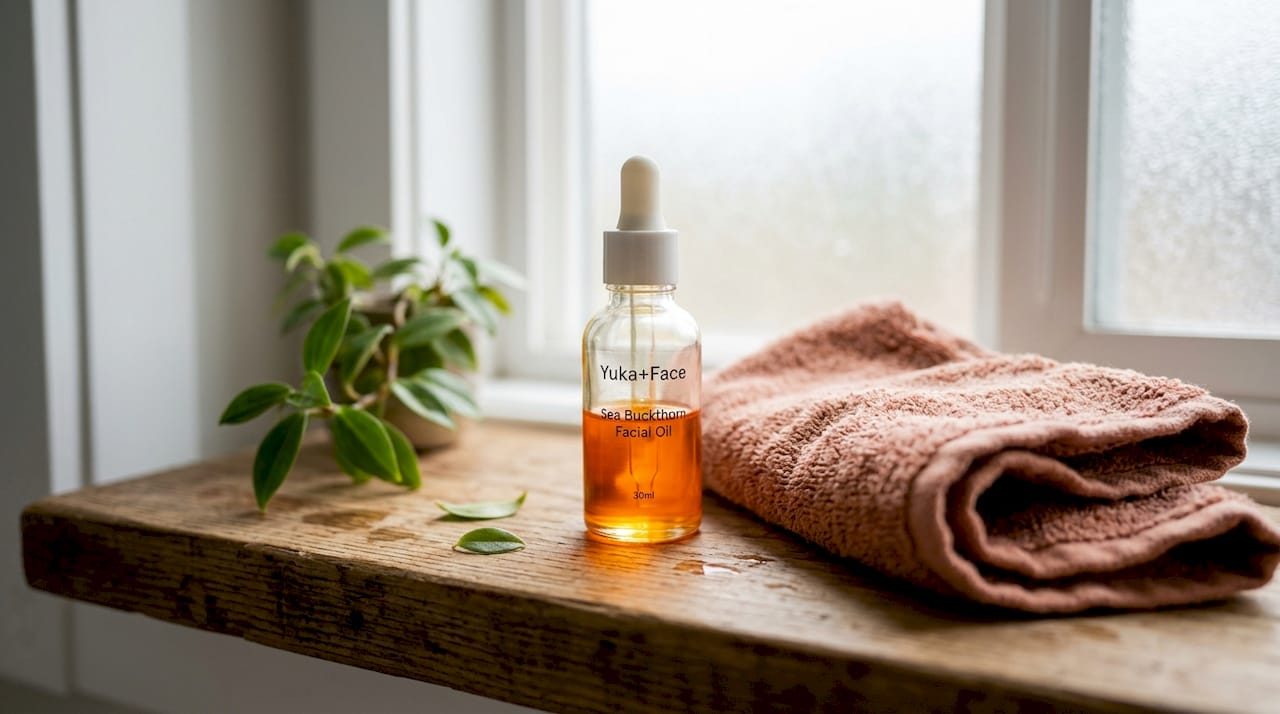
The vitamin and fatty acid spectrum of sea buckthorn is broader than most other plant oils. Sea buckthorn contains vitamins A, C, and E alongside the rare omega-7 fatty acid (palmitoleic acid), which can reach up to 50% concentration in the pulp oil. Omega-7 is uniquely effective at supporting mucous membranes and epithelial tissues, making this oil especially valuable for dry, mature, or compromised skin barriers.
| Component | Sea buckthorn pulp oil | Sea buckthorn seed oil |
|---|---|---|
| Vitamin A (carotenoids) | Very high | Moderate |
| Vitamin C | High | Moderate |
| Vitamin E (tocopherols) | High | High |
| Omega-7 (palmitoleic acid) | Up to 50% | Low |
| Omega-3 (ALA) | Low | High |
| Key benefit | Hydration, barrier, anti-aging | Anti-inflammatory, renewal |
Clinically, sea buckthorn oil has shown collagen density increases ranging from 3.3% to 10% across study groups, with the higher end seen after 12 weeks of consistent use. Hydration, elasticity, and barrier repair are all documented outcomes.
Practical use recommendations:
- Use as a night oil for dry or mature skin types who need deep overnight nourishment.
- Blend a few drops into your regular moisturizer if the color is a concern—orange tones can temporarily stain lighter skin.
- Layer over a skin barrier care routine for enhanced results in barrier recovery scenarios.
- Start with the seed oil if you are new to sea buckthorn—it is lighter in color and texture.
The broad vitamin spectrum makes sea buckthorn one of the most complete single-source oils available for aging or dry skin concerns.
Extra virgin olive oil: Gentle barrier support
Extra virgin olive oil (EVOO) is one of the most studied plant oils in dermatology. It is rich in vitamin E, squalene, and polyphenols—plant antioxidants that protect the skin at the cellular level.
Key properties:
- Vitamin E concentration is high relative to most seed oils, supporting lipid protection and barrier repair.
- Squalene naturally mimics skin's own sebum, softening texture and supporting moisture retention.
- Polyphenols provide antioxidant and mild anti-inflammatory activity.
- Oleic acid (omega-9) dominates the fatty acid profile, which is excellent for dry or mature skin but less suitable for acne-prone types.
Clinical research shows that EVOO improves barrier function by increasing stratum corneum (the skin's outermost protective layer) hydration, reducing redness and skin surface temperature, and promoting epidermal renewal through early corneocyte (new skin cell) production.
"Extra virgin olive oil is less occlusive than petrolatum, making it more appropriate for daily-use skincare routines where breathability and gentle hydration are the primary goals." From a clinical review published in the Journal of Clinical Medicine, MDPI.
Pro Tip: Choose cold-pressed, certified organic EVOO for skincare use. Conventional olive oil may contain residual pesticides or be cut with lower-grade oils. The skincare-grade product should be the same quality you would use in cooking.
One important caveat: EVOO is not ideal for oily, acne-prone, or combination skin. Its high oleic acid content can increase the likelihood of congestion. Understanding hydration and oily skin dynamics is useful context before adding EVOO to your routine.
Side-by-side comparison of top vitamin-rich oils
With all three oils reviewed individually, a direct comparison makes the differences clearer and helps match each oil to specific skin needs.
| Oil | Key vitamins | Standout fatty acid | Best for | Texture | Eco rating |
|---|---|---|---|---|---|
| Rosehip seed | A, C | Linoleic (45%+) | Scars, anti-aging, oily skin | Lightweight | High (cold-pressed, vegan) |
| Sea buckthorn pulp | A, C, E | Palmitoleic omega-7 (up to 50%) | Dry, mature, barrier repair | Rich, deeply nourishing | High (wild-harvested options) |
| Extra virgin olive | E | Oleic (omega-9) | Dry, sensitive, gentle routines | Medium to heavy | Moderate (sourcing varies) |
How to use this comparison to build your routine:
- Daily lightweight oil: Rosehip seed oil is the most versatile choice for daytime or combination skin.
- Night recovery oil: Sea buckthorn or rosehip for deep overnight repair and collagen support.
- Gentle dry skin support: EVOO as an occasional treatment or mixed into a richer moisturizer for winter routines.
- Barrier repair focus: Sea buckthorn seed oil paired with established barrier repair ingredients.
- Spot treatment: Rosehip oil applied directly to scars or hyperpigmentation.
Research also highlights an important nuance: while these oils hydrate and promote epidermal renewal, petrolatum still outperforms them in transepidermal water loss (TEWL) reduction. Nanoemulsion formulations can close that gap by enhancing penetration and stability of plant oils beyond what unformulated oils achieve alone. This matters when building your skincare routine around specific goals like severe dryness or eczema management, and it also supports adapting your approach for morning skincare versus evening routines.
Which oil fits your skin type and goals?
Matching an oil to your skin type and personal ethics is the final step before committing to a product. Here is a practical breakdown:
- Dry or mature skin: Sea buckthorn pulp oil or EVOO. Both provide rich nourishment. Sea buckthorn adds collagen and elasticity support.
- Oily or acne-prone skin: Rosehip seed oil is the clear choice. Its high linoleic acid profile is less likely to trigger breakouts.
- Sensitive or reactive skin: Rosehip in small amounts, patch tested first. EVOO is generally gentle but oleic acid can occasionally sensitize.
- Hyperpigmentation or scars: Rosehip seed oil, applied consistently. The vitamin A and C content directly targets these concerns.
- Anti-aging and barrier repair: Sea buckthorn for the broadest nutrient coverage and collagen support.
- Eco and cruelty-free priority: All three can be sourced sustainably. Look for cold-pressed, organic, and certified vegan labels.
Blending oils can also be highly effective. For example, combining rosehip with a drop of sea buckthorn seed oil delivers both linoleic acid and omega-3 benefits. Seasonal shifts matter too: lighter rosehip in summer, richer sea buckthorn in winter.
Research supports the idea of targeting specific outcomes: studies confirm that linolenic-rich oils increased cheek hydration and reduced IgE-related allergens, while rosehip reached 69% wound healing versus 53% in controls. Understanding the antioxidant ingredients that complement these oils rounds out a fully effective natural routine.
One rule applies universally: patch test every oil before full-face application. Natural does not mean universally non-irritating. This step protects you regardless of your skin type.
What most oil lists get wrong about vitamin-rich skincare
Most articles on plant oils frame the conversation as a straightforward win for natural over synthetic. The reality is more layered.
Plain plant oils, even the best ones, have real limitations. Clinical evidence confirms that petrolatum outperforms EVOO and comparable oils on TEWL reduction and desquamation management. For someone managing a severely compromised skin barrier repair situation, that matters. Choosing an oil because it is natural when a clinically superior option exists is not always the best decision.
Nanoemulsion technology is also changing what plant oils can do. When rosehip or sea buckthorn extracts are stabilized in nanoemulsion formulas, penetration increases and the vitamins remain active longer on contact with skin. Plain oil off the shelf cannot replicate that. This is where botanical research paired with scientific formulation earns its place. The best outcomes come from using nature's ingredients intelligently, not simply using them unprocessed.
The eco-conscious shopper should also scrutinize sourcing carefully. "Natural" on a label does not guarantee ethical supply chains, low carbon footprint, or cruelty-free practices throughout production. Certifications matter. Transparency in sourcing matters.
The key takeaway: use evidence to guide your choices, patch test without exception, and favor well-formulated products over raw oils when your skin goals demand clinical-level performance.
Discover more natural skincare insights
Ready to go further? Yuka+Face offers a full range of guides and resources built around natural, vegan, and evidence-informed skincare.

Explore the complete vegan skincare guide for a structured overview of cruelty-free ingredients and routines. For deeper focus on moisture and recovery, the hydration and restoration essentials guide covers barrier support, layering techniques, and product pairing. And when the seasons shift, summer skincare tips help adapt your oil-based routine to warmer, more humid conditions. All resources are grounded in botanical research and designed for every skin type and age.
Frequently asked questions
Which oil has the highest level of vitamins for skin?
Sea buckthorn oil stands out for broad-spectrum vitamins A, C, and E, plus rare omega-7, making it one of the most vitamin-rich options available from a single plant source.
Is rosehip oil better for scars or aging skin?
Rosehip oil addresses both effectively. Its vitamin A and C profile accelerates scar healing and supports collagen production, making it a practical choice for either concern.
Can extra virgin olive oil clog pores or cause breakouts?
Extra virgin olive oil is less comedogenic than heavier oils but its oleic acid content can contribute to congestion. Research confirms EVOO promotes epidermal renewal but it may not suit acne-prone skin types.
Are vitamin-rich oils safe for sensitive or allergy-prone skin?
All plant oils carry some risk for sensitive or allergy-prone individuals. Always patch test before full application and avoid any oil derived from a plant family with known personal sensitivities.
How long does it take to see results from these oils?
Visible results vary by concern and consistency of use. Clinical data shows collagen increases of up to 10% after 12 weeks with sea buckthorn, while hydration improvements can appear in as little as 2 to 4 weeks.