
Thin skin is skin that has lost enough collagen, elastin, or cushioning fat to become fragile, easily bruised, or visibly translucent. Protect it right now with daily broad-spectrum sunscreen with sufficient SPF protection, a barrier-focused moisturizer, and protective clothing over exposed arms and legs.
Start today:
- Apply sunscreen every morning
- Switch to a fragrance-free, ceramide-based moisturizer
- Wear long sleeves during yard work or cleaning
- Skip long, hot showers that strip natural oils
Avoid: long-term topical steroid creams unless a doctor prescribes them for a specific condition, since prolonged corticosteroid use is one of the most common medication-related causes of skin thinning.
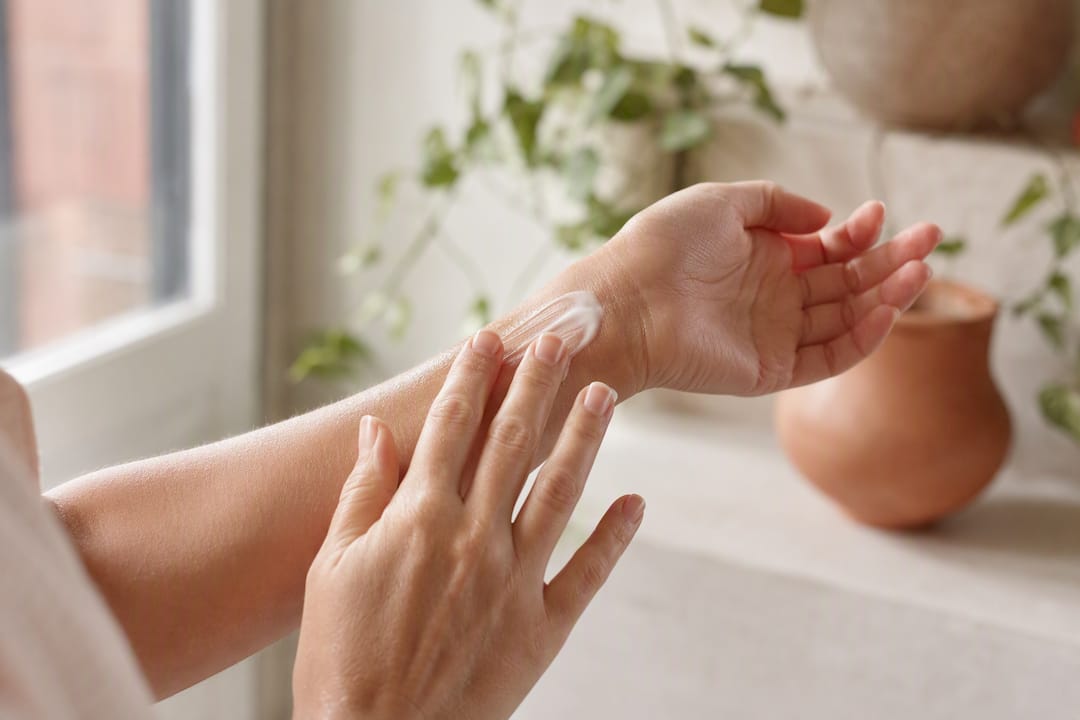
Pro Tip: Pat moisturizer into your skin with your fingertips instead of rubbing it in. Rubbing motion on fragile skin can cause micro-tears you won't notice until they bruise or bleed.
Key Takeaways
Thin skin results from collagen loss, sun damage, and thinning fat layers, and daily sunscreen plus gentle barrier repair are the most effective ways to protect it.
| Point | Details |
|---|---|
| Protect daily | Apply SPF 30+ sunscreen and a ceramide moisturizer every morning, regardless of weather. |
| Watch for red flags | Recurring tears, non-healing wounds, or unexplained bruising warrant a doctor's visit. |
| Know the causes | Aging, UV exposure, corticosteroids, and menopause are the leading contributors to skin thinning. |
| Go gentle on treatment | Barrier repair beats aggressive actives; consult a dermatologist before in-office procedures. |
| Choose fragile-skin-friendly products | Yuka+Face offers vegan, barrier-focused formulas gentle enough for thinning or sensitive skin. |
This article is general information, not a substitute for advice from a qualified doctor. Consult a qualified healthcare professional about your own circumstances before acting on anything here.
Table of Contents
- What Thin Skin Really Means (Dermatoporosis, Explained)
- Signs Your Skin Is More Fragile Than It Should Be
- What Causes Thin Skin to Develop
- How Doctors Evaluate Fragile Skin, and When to Get Checked
- Treatments and Prevention That Actually Help
- A Daily Routine Built for Fragile Skin
- Sources
- FAQ
What Thin Skin Really Means (Dermatoporosis, Explained)
Doctors sometimes call chronic skin fragility "dermatoporosis," a term that groups together the visible effects of long-term skin thinning: paper-thin texture, spontaneous bruising, and slow-healing tears. It is not a single disease so much as a description of what happens when three layers of skin lose their structure at once.
The epidermis (outer layer) thins and flattens. The dermis, which houses collagen and elastin, breaks down. The hypodermis below loses fat padding that once cushioned blood vessels and connective tissue. Peer-reviewed dermatology research describes this as loss of "rete ridges," the interlocking anchor points between the epidermis and dermis that keep skin layers bound together. Once those ridges flatten out, skin separates and tears more easily, especially on the forearms, hands, shins, and eyelids, where there's less fat to begin with.
The outer layer of skin becomes thinner, paler, and more translucent with age, and the blood vessels underneath grow more fragile. That combination explains why older adults bruise more easily from bumps that once left no mark.
Signs Your Skin Is More Fragile Than It Should Be
Some thinning is a normal part of aging. Other signs point to something worth monitoring more closely.
- Transparency: you can see veins, tendons, or bones through the skin, especially on the back of the hands
- Easy bruising: dark purple patches (senile purpura) appear from minor bumps you don't remember
- Skin tears: the skin splits open from friction, like a sleeve catching on a doorknob
- Crepey texture: fine wrinkling that looks like tissue paper, common on the upper arms
- Slow healing: a cut or scrape that used to close in a week now takes two or three
Fragile skin that tears easily is common in older adults, and while it's rarely an emergency, frequent spontaneous bruising or tearing is worth bringing up at your next checkup.
Warning: Large, spreading purple patches, wounds that drain pus or won't close after two weeks, or fever accompanying a skin tear are signs of possible infection or a systemic issue. Don't wait on those.
What Causes Thin Skin to Develop
Aging is the biggest driver. Collagen production slows year after year, and the skin's elastic recovery weakens along with it. Add decades of sun exposure and the damage compounds. UV rays break down collagen faster than intrinsic aging alone, which is why skin on the face, neck, and forearms often looks far thinner than skin on the abdomen or inner thigh.
Genetics set your baseline. Some people are simply born with thinner dermal layers, and conditions like Ehlers-Danlos syndrome can make skin fragility appear much earlier in life.
Medications are a major, often overlooked contributor:
- Long-term topical or oral corticosteroids can suppress collagen synthesis
- Blood thinners and daily NSAID use increase visible bruising, even without thinning the skin structurally
- Some chemotherapy drugs and long-term immunosuppressants carry similar effects
Lifestyle and systemic factors matter too. Smoking restricts blood flow to skin tissue. Chronic dehydration and poor protein intake slow collagen turnover. Severe vitamin C deficiency, though rare in developed countries, causes scurvy, a textbook example of what happens when the body can't manufacture collagen at all. Menopause accelerates thinning further, since estrogen decline reduces both collagen density and skin thickness, often within the first five years after the final period. Diabetes and vascular disease compound the problem by slowing wound healing.
Medication Note: Never stop a prescribed corticosteroid or blood thinner on your own because of skin concerns. Talk to the prescribing doctor about lower-dose alternatives or protective skin care instead.
How Doctors Evaluate Fragile Skin, and When to Get Checked
A dermatologist or primary care doctor typically starts with your history: current medications, sun exposure over the years, and any family history of connective tissue disorders. A physical exam checks skin thickness, elasticity, and bruising patterns. Bloodwork is sometimes ordered if a systemic illness or nutritional deficiency is suspected.
Bring to your appointment:
- A full list of current medications and supplements
- Photos of any bruising or tears, dated if possible
- A rough timeline of when changes started
See a doctor soon for:
- Skin tears that keep recurring in the same spot
- Wounds that haven't started healing after two weeks
- Bruising that appears without any known bump or injury
Seek care urgently for:
- Spontaneous heavy bleeding that won't stop with pressure
- Signs of infection: warmth, redness, swelling, or pus
- Rapidly spreading purple patches across a large area
Treatments and Prevention That Actually Help
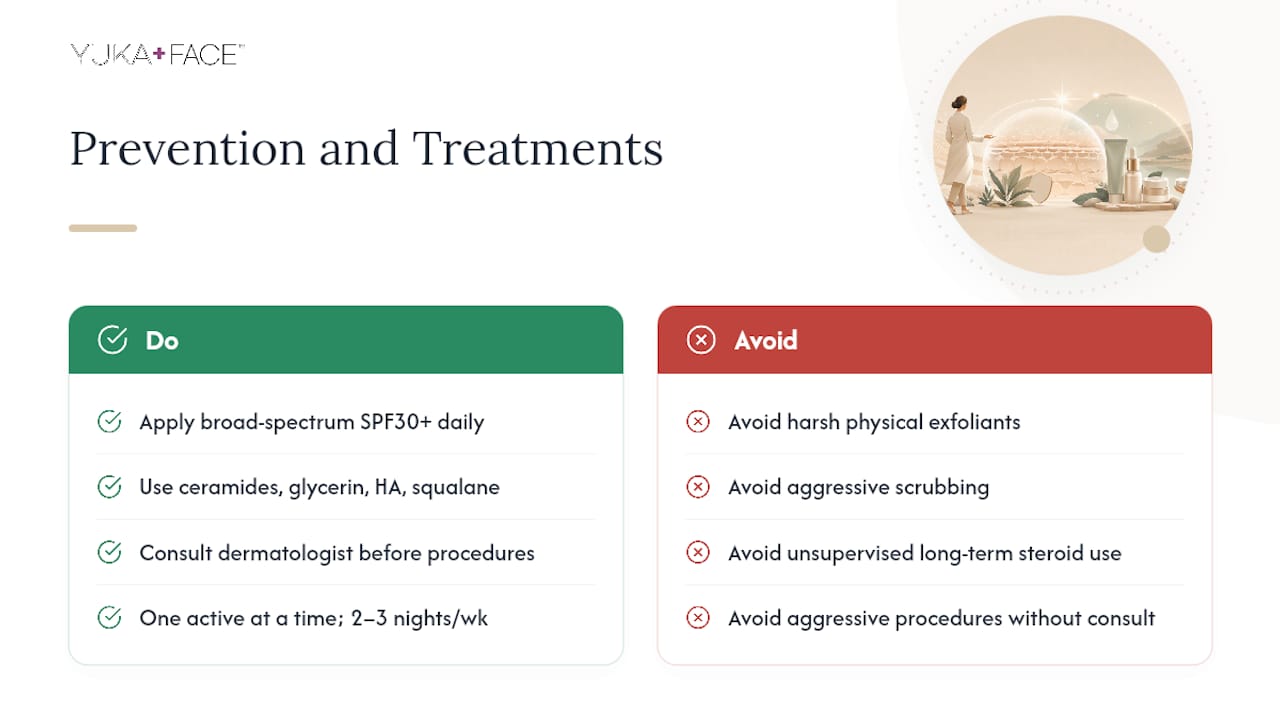
Prevention does more heavy lifting than any treatment. Daily broad-spectrum sunscreen SPF 30 or higher, worn every day regardless of weather, is the single most effective habit for slowing further photoaging. Pair it with protective clothing, smoking cessation if applicable, and a diet rich in protein and vitamin C, since vitamin C deficiency directly impairs the body's ability to build new collagen.
For topical care, look for barrier-repair ingredients: ceramides, glycerin, hyaluronic acid, and squalane. Dermatologists commonly point patients toward fragrance-free, minimalist formulas like Vanicream, CeraVe, and Cetaphil as accessible, well-tolerated options for sensitive or aging skin. Topical retinoids can help in some cases too. Evidence suggests tretinoin and related compounds may thicken both the epidermis and dermis over time, though tolerability varies widely and more research is needed before recommending it broadly for older or fragile skin.
In-office procedures like microneedling, laser resurfacing, or dermal fillers can restore some volume and stimulate collagen. Use caution here. Healing capacity declines with age, so aggressive procedures carry higher risk of complications in older or already fragile skin, and a dermatology consultation should come before any of these. If skin laxity and sagging are the primary concern, a consultation on skin laxity treatment options can help clarify which procedures are appropriate for your skin's condition.
Avoid harsh physical exfoliants, aggressive scrubbing, and unsupervised long-term steroid use. Collagen peptide and vitamin C supplements show some promise, but dermatologists generally favor consistent, gentle, barrier-first care over aggressive actives for mature skin.
Pro Tip: Introduce any new active ingredient, including retinoids, one at a time and no more than two or three nights a week at first. Fragile skin needs weeks, not days, to adjust.
A Daily Routine Built for Fragile Skin
Morning:
- Cleanse with a gentle, sulfate-free cleanser using lukewarm water
- Apply a hydrating serum if your skin tolerates it
- Follow with a ceramide-rich moisturizer, patted on rather than rubbed
- Apply an adequate amount of SPF sunscreen to face, neck, and any exposed skin
- Cover forearms with sleeves before yard work or errands in direct sun
Evening:
- Cleanse only if needed; skip it on dry days
- Apply a hydrating active if introducing retinoids, start slow
- Finish with a richer, occlusive moisturizer if skin feels tight or flaky
Beyond products, small home changes prevent more damage than skin care alone. Trimming pet nails, padding sharp furniture corners, and wearing sleeves during gardening prevent more forearm tears than any single cream. Drink water consistently through the day, and favor protein and vitamin C at meals over supplements alone. For a deeper walk-through of building a full routine around mature or delicate skin, see this practical guide to caring for mature skin.
Pro Tip: Skip alcohol-based toners entirely. They strip the very oils your skin barrier needs to stay resilient.
Living With Thinner Skin as You Age
Watching your skin bruise from things that used to leave no mark is unsettling at first. It gets easier once you realize this isn't decline you're powerless against, it's a maintenance job. Gentle, consistent care paired with a clinician's eye on anything unusual will do more for you than chasing a fix that promises to reverse the clock entirely.
Gentle Skin Care Support From Yuka+Face
Fragile, thinning skin needs formulas that support the barrier without adding friction or irritation, which is exactly where Yuka+Face's vegan, natural formulations fit. Every product is cruelty-free and built for all skin types and ages, including skin that's lost some of its natural resilience.

- Vegan, plant-based formulas free of harsh synthetic fillers
- Barrier-friendly ingredients chosen for sensitive, mature skin
- Gentle textures designed to be patted, not rubbed, into fragile skin
If you're ready to build the kind of steady, protective routine this article recommends, start with Yuka+Face's morning skin care routine guide and adjust it to your skin's current needs.
Sources
- Thin skin? Added protection helps - Mayo Clinic
- Skin Care and Aging | National Institute on Aging
- Chronic Skin Fragility of Aging: Current Concepts in the ... - PMC
- Thin Skin: Treatment, Causes, on Face, on Arms, and More - Healthline
- Thin skin: Symptoms, causes, and treatment - Medical News Today
FAQ
Can Thin Skin Become Thick Again?
Skin rarely returns to its earlier thickness completely, but consistent barrier repair, sun protection, and in some cases topical retinoids can improve thickness and resilience over months of use.
How Do You Fix Thin Skin?
There's no single fix, but daily sunscreen, ceramide-based moisturizers like Vanicream, CeraVe, or Cetaphil, and avoiding unnecessary long-term steroid use are the most effective starting points.
What Deficiency Causes Thin Skin?
Severe vitamin C deficiency, known as scurvy, is a rare but well-documented cause, since vitamin C is essential for the body to produce collagen.
What Vitamin Helps Thin Skin?
Vitamin C supports collagen production and skin repair, and getting it through a balanced diet with fruits and vegetables is generally more reliable than relying on supplements alone.