
What is skin redness, and what causes it?
Erythema is the medical term for skin redness. It results from the dilation of superficial blood capillaries, which draws more blood to the skin's surface. Redness is a symptom, not a disease. The underlying cause determines the right treatment.
Major cause categories include:
- Inflammatory skin conditions: rosacea, eczema, psoriasis, seborrheic dermatitis
- Infections: cellulitis, shingles, folliculitis
- Environmental triggers: sunburn, heat rash, allergic contact dermatitis
- Other factors: stress, diet, physical activity, and medication reactions
Accompanying symptoms often clarify the cause. Itching points toward eczema or allergic reactions. Burning or stinging suggests rosacea. Fever alongside spreading redness signals infection. Accurate diagnosis is the first step toward effective care.
Inflammatory skin conditions that cause facial redness
Inflammatory conditions are among the most common drivers of persistent facial redness. Each has a distinct pattern, and recognizing those differences matters for treatment.
Rosacea
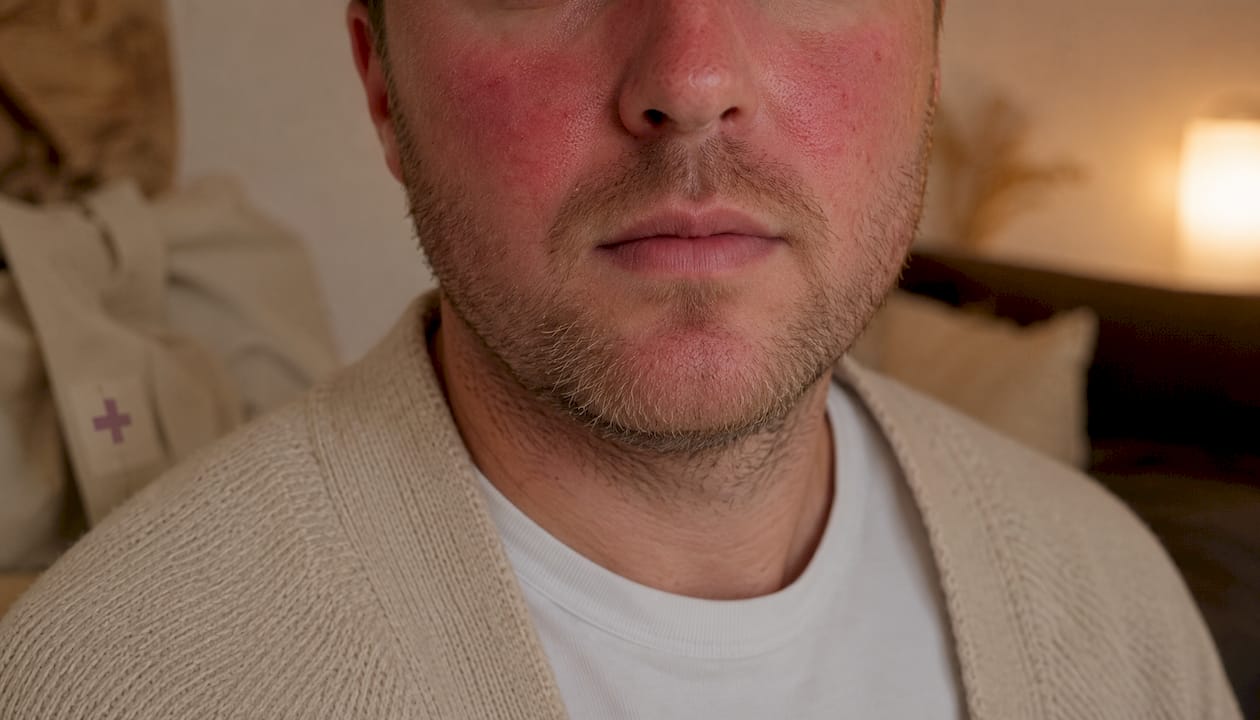
Rosacea produces chronic redness across the cheeks, nose, chin, and forehead. It tends to flare with heat, sun exposure, alcohol, and emotional stress. The National Institute of Arthritis and Musculoskeletal and Skin Diseases notes that rosacea is a long-term condition with no cure, though symptoms respond well to consistent management. Visible blood vessels and occasional acne-like bumps are common.
Eczema (atopic dermatitis)
Eczema causes dry, itchy, inflamed patches that can appear anywhere on the body, including the face and around the eyes. The NIAMS describes it as a chronic condition that often begins in childhood and may persist into adulthood. Flares are triggered by allergens, irritants, sweat, and dry air.
Psoriasis
Psoriasis accelerates the skin cell cycle, causing thick, scaly, red plaques. It most often appears on the scalp, elbows, and knees, but facial involvement occurs. Flares connect to stress, infections, and certain medications.
Seborrheic dermatitis
Seborrheic dermatitis produces oily, scaly, red patches, typically around the nose, eyebrows, and scalp. It tends to worsen in cold, dry weather and with stress.
- All four conditions are chronic with flare-ups triggered by identifiable factors
- None are curable, but all are manageable with the right routine
- Trigger identification is the foundation of long-term control
Pro Tip: Keep a simple daily log of food, stress levels, weather, and skincare products. Patterns usually emerge within two to four weeks, making trigger identification much faster.
Infectious and environmental causes of skin redness
Not all redness comes from chronic skin conditions. Infections and environmental exposures can produce acute, sometimes urgent, redness that looks and behaves differently.
Bacterial infections
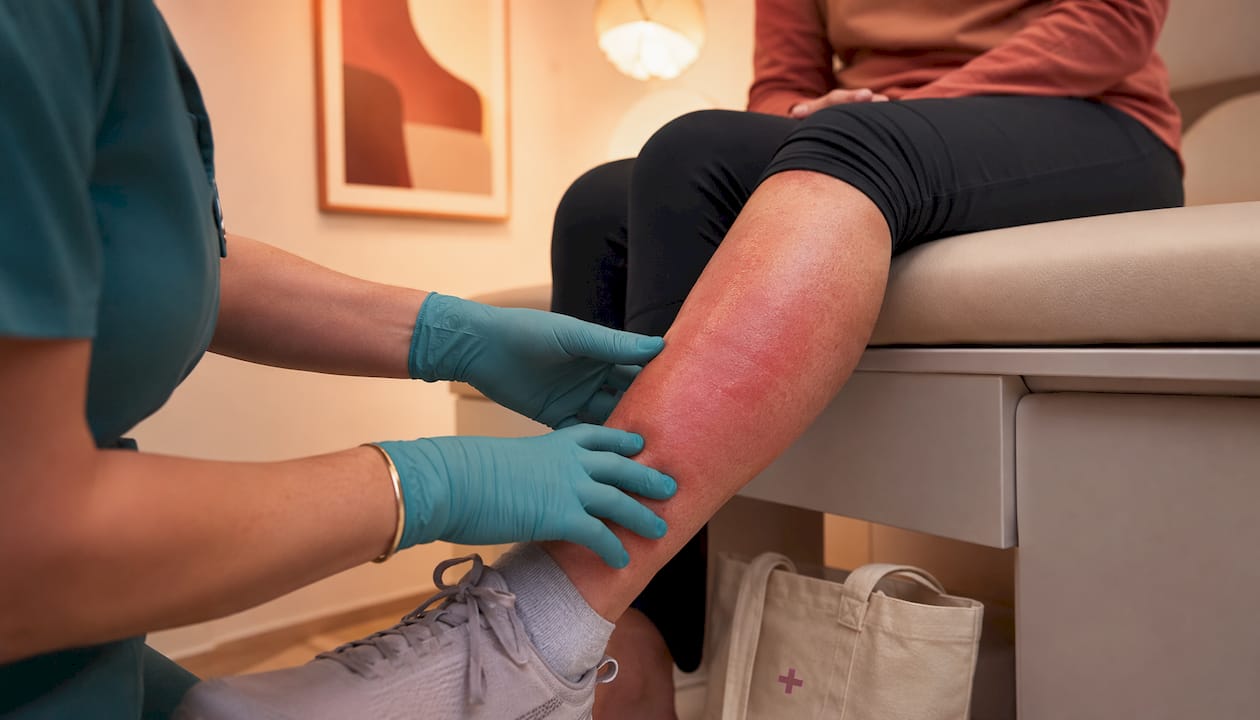
Cellulitis is a bacterial skin infection that causes spreading redness, warmth, swelling, and tenderness, usually on the legs or face. It requires prompt antibiotic treatment. Left untreated, it can spread to deeper tissue and the bloodstream.
Viral causes
Shingles (herpes zoster) produces a painful, blistering rash along a nerve path, often on one side of the torso or face. The redness appears before the blisters and can be mistaken for other conditions early on. Post-herpetic neuralgia, a lasting nerve pain, is a known complication.
Folliculitis
Folliculitis is inflammation of hair follicles, producing small red bumps or pustules. It commonly follows shaving, sweating, or friction from tight clothing.
Environmental triggers
- Sunburn: UV radiation damages skin cells, causing redness and irritation that peaks 12–24 hours after exposure
- Heat rash: blocked sweat glands produce small red bumps in hot, humid conditions
- Allergic contact dermatitis: direct contact with allergens like nickel, fragrances, or latex triggers localized redness and itching
When to seek urgent care: Redness with fever, intense pain, or rapid spreading requires immediate medical evaluation. These signs can indicate a serious infection needing antibiotics or hospital care.
Pro Tip: After a workout, rinse skin with cool water promptly. Redness after exercise is normal due to increased blood flow, but sweat left on skin can trigger folliculitis or worsen existing conditions like rosacea.
Treatment options and management strategies
Treatment depends entirely on the cause. A dermatologist visit is the most reliable path to a correct diagnosis and a targeted plan.
Topical treatments
- Moisturizers: restore the skin barrier and reduce irritation; look for ceramides and niacinamide
- Topical corticosteroids: reduce inflammation quickly but carry risks with long-term use
- Topical antibiotics: used for rosacea-related bumps and folliculitis
- Calcineurin inhibitors: a steroid-free option for eczema around sensitive areas like the eyes
Precautions with common treatments
Frequent use of topical steroids without medical guidance can worsen redness over time and cause skin thinning. Always follow a dermatologist's instructions on duration and frequency. Antibiotic overuse carries its own risks, including resistance.
Trigger avoidance and skincare routines
Avoiding known triggers reduces flare frequency. For rosacea, that often means limiting alcohol and spicy foods. For eczema, it means using fragrance-free detergents and lukewarm water. A consistent skincare routine built around gentle, non-irritating products supports the skin barrier daily.
Pro Tip: Apply a broad-spectrum SPF 30 or higher every morning, even on cloudy days. Sun exposure is one of the most consistent redness triggers across rosacea, eczema, and post-inflammatory conditions.
Natural and holistic approaches to managing redness
Supportive skincare and lifestyle habits work alongside medical treatment, not instead of it. Several natural ingredients have a solid track record for calming irritated skin.
Soothing ingredients to look for
- Colloidal oatmeal: clinically recognized for reducing itch and inflammation in eczema
- Chamomile extract: contains bisabolol and apigenin, both known for anti-inflammatory effects
- Niacinamide: reduces facial redness and strengthens the skin barrier
- Aloe vera: soothes sunburn and heat-related redness
- Green tea extract: antioxidant properties help calm reactive skin
Diet, hydration, and stress
Lifestyle factors like stress, alcohol, and spicy foods are well-documented redness triggers in chronic conditions. Staying hydrated supports skin barrier function. An anti-inflammatory diet rich in omega-3 fatty acids, leafy greens, and antioxidants may reduce flare frequency over time.
Skincare routine principles
- Use fragrance-free, alcohol-free cleansers and moisturizers
- Avoid physical scrubs on actively red or inflamed skin
- Apply products to slightly damp skin to lock in moisture
- Patch test any new product before full application
Yuka+Face products are vegan, natural, and formulated without harsh irritants, making them a practical fit for skin prone to redness. A personalized skincare routine built around your specific triggers and skin type delivers better results than a generic approach.
Pro Tip: Cold compresses applied for 10 minutes can reduce acute facial redness quickly. Follow with a gentle, fragrance-free moisturizer to prevent the skin from drying out after the compress.
How dermatologists diagnose the cause of skin redness
Identifying the specific cause of redness requires more than a visual check. Dermatologists use several tools depending on what the presentation suggests.
Clinical examination
A dermatologist examines the distribution, texture, color, and associated symptoms of the redness. On darker skin tones, redness may appear as brown, purple, or gray discoloration rather than the classic red. Texture changes, such as scaling or thickening, become more diagnostically useful in those cases.
Patch testing
Patch testing identifies specific allergens responsible for allergic contact dermatitis. Small amounts of common allergens are applied to the back under adhesive patches for 48 hours, then read at 72–96 hours. A positive reaction confirms the trigger.
Skin biopsy
When the diagnosis is unclear, a small skin sample is taken and examined under a microscope. Biopsy distinguishes between psoriasis, eczema, fungal infections, and more serious conditions like cutaneous lupus.
Additional tools
- Dermoscopy: a handheld magnifying device that reveals subsurface skin structures
- Wood's lamp: ultraviolet light that highlights fungal infections and pigmentation changes
- Blood tests: used when systemic causes like lupus or thyroid conditions are suspected
Flushing vs. persistent erythema: what's the difference?
These two types of redness look similar but have different causes and implications.
Flushing is temporary redness triggered by heat, exercise, alcohol, spicy food, or emotional stress. Blood vessels dilate rapidly, producing a red or pink flush that fades within minutes. It is a normal physiological response in most cases. Repeated or severe flushing, particularly with other symptoms, can indicate rosacea, carcinoid syndrome, or hormonal changes.
Persistent erythema stays visible at rest, without any obvious trigger. It reflects ongoing capillary dilation or structural changes in the skin. Rosacea is the most common cause of persistent facial erythema. Chronic eczema, psoriasis, and post-inflammatory hyperpigmentation also produce lasting color changes.
The clinical distinction matters for treatment. Flushing responds to trigger avoidance and sometimes oral medications like low-dose beta-blockers. Persistent erythema often requires topical treatments, laser therapy, or long-term prescription management. A dermatologist can distinguish between the two through history and examination.
Long-term management and prognosis for chronic redness
Chronic redness conditions like rosacea and eczema are manageable, not curable. The goal shifts from elimination to control: reducing flare frequency, minimizing severity, and protecting quality of life.
What long-term management looks like
- Consistent skincare: daily use of gentle cleansers, moisturizers, and SPF reduces baseline irritation
- Trigger tracking: ongoing awareness of personal triggers prevents avoidable flares
- Medical check-ins: periodic dermatologist visits allow treatment adjustments as the condition evolves
- Stress management: mindfulness practices and adequate sleep reduce stress-driven flares
Prognosis by condition
Rosacea tends to progress without treatment but stabilizes with consistent care. Eczema often improves with age, though adult flares remain common. Psoriasis follows an unpredictable course with periods of remission. Seborrheic dermatitis is highly manageable with medicated shampoos and antifungal creams, though it recurs without maintenance.
Dermatologists emphasize that individualized trigger identification and consistent routines produce the best long-term outcomes. Generic protocols rarely work as well as plans built around a person's specific pattern of flares.
Yuka+Face: natural skincare for reactive skin
Skin prone to redness needs products that support the barrier without adding irritants. Yuka+Face offers a range of 100% natural, vegan, cruelty-free formulas built for sensitive and reactive skin types.

Every Yuka+Face product is free from synthetic fragrances, harsh preservatives, and known skin irritants. The formulas draw on botanical ingredients like chamomile, aloe vera, and plant-derived antioxidants that align with what dermatologists recommend for redness-prone skin. For those managing chronic conditions, a vegan skincare routine built on clean, non-reactive ingredients reduces the risk of accidental flare triggers. Read the Yuka+Face journal for guidance on summer skin protection and daily routines that keep reactive skin calm year-round.
Key Takeaways
Skin redness, or erythema, requires cause-specific treatment, and chronic conditions like rosacea and eczema respond best to individualized, consistent routines.
| Point | Details |
|---|---|
| Erythema is a symptom | Redness signals an underlying cause, from inflammation to infection, not a standalone diagnosis. |
| Chronic conditions are manageable | Rosacea, eczema, psoriasis, and seborrheic dermatitis have no cure but respond well to trigger-based management. |
| Urgent signs need fast action | Redness with fever, intense pain, or rapid spreading requires immediate medical evaluation. |
| Diagnosis guides treatment | Clinical exams, patch testing, and skin biopsy identify the specific cause and prevent misdiagnosis. |
| Yuka+Face for reactive skin | Natural, fragrance-free, vegan formulas reduce irritant exposure for skin prone to redness and flares. |
FAQ
What does "redness" mean medically?
Medically, redness is called erythema. It refers to superficial skin reddening caused by the dilation of blood capillaries, triggered by injury, irritation, or inflammation.
What causes skin redness?
Skin redness has many causes, including inflammatory conditions like rosacea and eczema, bacterial or viral infections like cellulitis and shingles, and environmental triggers like sunburn and allergic contact dermatitis.
How do you treat skin redness?
Treatment depends on the cause. Options include topical moisturizers, corticosteroids, antibiotics, trigger avoidance, and lifestyle changes. A dermatologist can confirm the diagnosis and recommend the right plan.
What is the difference between flushing and persistent erythema?
Flushing is temporary redness from heat, stress, or food and fades within minutes. Persistent erythema stays visible at rest and often signals a chronic condition like rosacea requiring ongoing treatment.