
The easiest way to pick a face soap is to match the format and the active ingredients to your skin type, not the marketing claim on the front label. A gentle, low pH cleanser with ceramides or glycerin suits dry and sensitive skin. A mild foaming or salicylic acid formula suits oily and acne-prone skin. This isn't guesswork. The American Academy of Dermatology recommends washing with a gentle, face-specific cleanser daily, and independent testing from outlets like Wirecutter confirms that "best" always depends on skin need, not on format alone.
Start with these formats:
- Gentle cream or lotion cleansers for dry, sensitive, or barrier-compromised skin
- Mild foaming gels for combination or normal skin that wants a fresh feel without stripping
- Non-comedogenic cleansing oils for melting off makeup and sunscreen
- Syndet (soap-free) bars formulated specifically for facial skin, never a leftover body bar
- Salicylic acid or niacinamide washes for oily, acne-prone, or congested skin
Among Yuka+Face's lineup, the B3 Gentle Cleanser works for daily use on dry or reactive skin, the Vitamin C Cleansing Oil handles makeup and sunscreen removal for most skin types, the Exfoliating Face Polish suits normal to oily skin that wants texture refinement, and the Cleansing Duo pairs a deep clean with a gentle follow-up for anyone building a two-step routine.
Pro Tip: If you're not sure where you land, start with the gentlest option that still removes your makeup and sunscreen completely. You can always add strength later, but you can't undo a damaged moisture barrier overnight.
Fortune's testing roundup for facial cleansers backs this approach, noting that well-matched cleansers perform consistently across formats when the formula fits the skin type and the job (makeup removal versus daily maintenance) it's asked to do.
Key Takeaways
The right face soap comes from matching format and active ingredients to your specific skin type and sensitivity level, not from chasing the most popular product on the shelf.
| Point | Details |
|---|---|
| Match format to skin type | Cream cleansers suit dry skin, foaming gels suit oily skin, oils suit makeup removal. |
| Check the pH and ingredient order | Favor formulas near skin's natural pH and scan the first five ingredients listed. |
| Avoid harsh sulfates and fragrance | Skip high-concentration sulfates, denaturing alcohols, and added fragrance if skin reacts easily. |
| Wash twice daily with gentle technique | Use lukewarm water and 20 to 30 seconds of gentle massage, per AAD guidance. |
| Start with Yuka+Face's B3 Gentle Cleanser | It offers a fragrance-free, niacinamide-based option suited to daily use on dry or sensitive skin. |
Table of Contents
- What Types of Face Soap and Cleanser Formats Exist?
- How Do I Choose a Face Soap for My Skin Type?
- Which Ingredients Should I Avoid in a Face Soap?
- What Face Soap Does a Dermatologist Recommend?
- How Should I Use My Face Soap for the Best Results?
- Are Natural and Vegan Face Soaps Worth the Trade-Offs?
- What Should I Expect to Pay for a Good Face Soap?
- Which Yuka+Face Cleanser Should You Try First?
- Why We Formulate This Way
- Yuka+Face Makes Choosing the Right Cleanser Simple
- Sources
- FAQ
What Types of Face Soap and Cleanser Formats Exist?
Every cleanser format cleans skin the same basic way: it lifts oil, dirt, and dead skin cells so water can rinse them away. How aggressively it does that, and what it leaves behind, is where the differences matter.
Bar soaps are the oldest format and the most misunderstood. Traditional bar soap is formulated for the body, with an alkaline pH that can leave facial skin dry, tight, or irritated. Healthline's analysis of bar soap on the face confirms that most standard bars aren't built for the thinner, more sensitive skin on your face. A syndet bar, made with synthetic detergents instead of true soap, behaves differently. It's formulated closer to skin's natural pH and can be a legitimate, low-waste option if the label specifically says "for face."
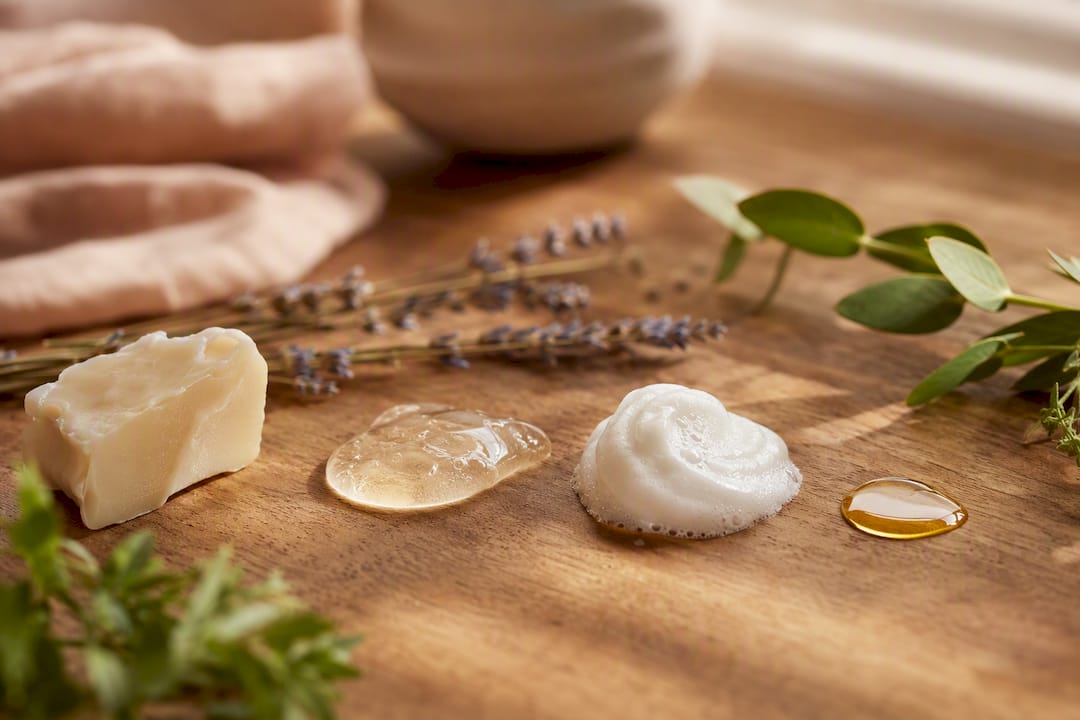
Liquid and gel cleansers dominate the market for a reason: they're easy to dose, layer well under other products, and range from ultra-gentle to deep-cleaning depending on the surfactant blend. Foaming cleansers are a subcategory of liquid formulas; the foam itself doesn't clean better, it just changes how the product feels on skin. Heavy foam can mean stronger surfactants, which strips more oil, which is great for very oily skin and rough on anything dry or reactive.
Cleansing oils and balms work through a different mechanism: oil dissolves oil, pulling makeup, sunscreen, and sebum off skin without needing a harsh detergent to do it. They're the standard first step in double cleansing and tend to be the gentlest option for dry or dehydrated skin, since they don't disrupt the lipid barrier the way stronger surfactants can.
| Format | Best for | Typical actives | Skin-type fit | Packaging/sustainability |
|---|---|---|---|---|
| Facial bar (syndet) | Minimal waste, travel | Mild surfactants, glycerin | Normal, combination | Low plastic, but needs a dry dish between uses |
| Liquid/gel cleanser | Daily use, layering | Amphoacetates, hyaluronic acid | Most skin types | Recyclable bottle, higher water content |
| Foaming cleanser | Oily, congested skin | Sulfates or milder foaming agents | Oily, acne-prone | Bottle or pump, moderate waste |
| Cleansing oil/balm | Makeup and sunscreen removal | Plant oils, emulsifiers | Dry, dehydrated, all skin as step one | Jar or bottle, often reusable |
Pro Tip: If your skin reacts to almost everything, start with a fragrance-free cleansing oil or a syndet bar labeled for facial use. Both formats tend to skip the aggressive surfactants that trigger most breakouts of irritation.
How Do I Choose a Face Soap for My Skin Type?
Before you scan an ingredient list, figure out what you're actually dealing with. Run through this quick check:
- Does your skin feel tight or flaky within a few hours of washing? That's dryness or barrier stress.
- Does your T-zone get shiny by midday while your cheeks stay normal? That's combination skin.
- Do new products regularly cause redness, stinging, or bumps? That's sensitivity.
- Do you break out along the jaw, chin, or forehead regularly? That's acne-prone skin.
- Does your face flush easily with heat, spicy food, or certain products? That could be rosacea-prone skin, and it deserves a dermatologist's input before you self-treat.
Once you know your profile, the ingredient and format picks get much simpler.
- Dry skin: Look for a cream or lotion cleanser with ceramides, glycerin, or hyaluronic acid. The AAD's guidance on dry skin specifically calls out preserving lipids and avoiding hot water, both of which point toward a low-foam, hydrating cleanser as your first product to try.
- Oily or acne-prone skin: A gentle foaming gel with salicylic acid or niacinamide clears congestion without the tightness that heavier bar soaps cause. Skip anything with high alcohol content, since that tends to trigger rebound oil production.
- Combination skin: A balanced gel cleanser, fragrance-free and mildly foaming, handles an oily T-zone without over-drying the cheeks. This is the profile where format flexibility matters most.
- Sensitive or reactive skin: Fragrance-free, low pH formulas are non-negotiable here. A syndet bar or a gentle cream cleanser, both without added essential oils, is the safest starting point.
- Rosacea-prone skin: Stick to the mildest cleanser you can find, avoid physical scrubs entirely, and loop in a dermatologist if flushing or bumps persist despite gentle care.
Whatever you land on, give it a real trial. Patch test a new product on your inner forearm for 24 to 48 hours before putting it on your face, then use it consistently for two to four weeks before judging results. Skin needs time to adjust, and switching products every few days makes it impossible to tell what's actually working. If you're building this into an existing regimen, a starter skincare routine guide can help you sequence a new cleanser correctly.
Which Ingredients Should I Avoid in a Face Soap?
Reading a label takes ten seconds once you know what you're scanning for. Here's what tends to cause trouble:
- Harsh sulfates like high-concentration sodium lauryl sulfate, which strip natural oils faster than skin can replace them
- Denaturing alcohols, listed as "alcohol denat." or SD alcohol, which dry out skin and can compromise the barrier with repeated use
- Added fragrance and essential oils, especially if you have any history of sensitivity, since fragrance remains one of the most common triggers for contact irritation
- Abrasive physical scrubs with jagged exfoliating particles, which create micro-tears you can't always see
On the other side of the label, look for ingredients that actively support skin rather than just cleaning it:
- Glycerin and hyaluronic acid for hydration retention
- Ceramides and fatty acids for barrier support
- Niacinamide and low-dose salicylic acid for gentle, targeted treatment of oiliness or congestion
- Non-irritating surfactants like amphoacetates or decyl glucoside, which clean effectively without the harshness of older detergent chemistry
The pH detail most shoppers skip matters more than it seems. Healthy facial skin sits around pH 4.5 to 5.5, and cleansers formulated close to that range disrupt the skin barrier far less than alkaline soap, which typically runs pH 9 to 10. This is one reason the AAD steers people away from aggressive "deep cleaning" claims toward gentler, barrier-preserving formulas instead.
One more label trick worth knowing: ingredients are listed in descending order by concentration, so whatever sits in the first five spots is doing most of the work in that formula. Watch for fragrance synonyms like "parfum," and treat "non-comedogenic" and "hypoallergenic" as helpful signals, not guarantees. Neither term is regulated the way a drug claim is, so pair them with a full ingredient list and your own patch test.
What Face Soap Does a Dermatologist Recommend?
Dermatology guidance is consistent enough to summarize in a few lines. The AAD's own recommendations point toward:
- Washing twice daily, morning and night, with a gentle, face-specific cleanser
- Using lukewarm water, since hot water strips more natural oil than it removes dirt
- Massaging gently for a short time rather than scrubbing, which causes micro-irritation without improving how clean skin actually gets
- Choosing fragrance-free formulas if you have eczema, rosacea, or any history of reactive skin
Some situations call for more than a product swap. See a dermatologist if you notice persistent acne that doesn't respond to over-the-counter treatment within eight to twelve weeks, severe or worsening irritation, signs of an allergic reaction like swelling or hives, or rosacea flares that keep recurring despite gentle care. Self-treating a skin condition with the wrong cleanser can delay a diagnosis that actually needs medical attention.
When you're evaluating a product on trust signals alone, look for a full ingredient list posted on the product page, a hypoallergenic or dermatologist-tested statement backed by specifics rather than just a badge, and, for eczema-prone skin, the National Eczema Association's Seal of Acceptance, which flags products independently reviewed for lower irritation risk.
Pro Tip: A brand that lists its full ingredient deck, in order, without vague terms like "proprietary blend," is telling you something about how confident it is in the formula.
How Should I Use My Face Soap for the Best Results?
Technique matters almost as much as the product itself. Here's the routine dermatologists point to most often:
- Wet your face and hands with lukewarm water, never hot.
- Dispense a dime-sized amount of cleanser (less for concentrated foaming formulas, more for cream cleansers).
- Massage in gentle, circular motions for 20 to 30 seconds, focusing on the T-zone if you're oily, and going lighter over dry patches or active breakouts.
- Rinse thoroughly, making sure no residue lingers along the hairline or jaw.
- Pat dry with a clean towel rather than rubbing.
Many people find washing once or twice daily, often morning and evening, works best. If your skin feels tight or irritated after a wash, that's a sign to cut back to once daily, usually at night, until your barrier recovers.
Double cleansing earns its place on days you're wearing sunscreen or makeup. Start with an oil-based cleanser to dissolve the product layer, then follow with your regular gentle cleanser to finish the job. It's not necessary every day, but it prevents the buildup that leads to clogged pores over time, and it's worth reading through a full step-by-step cleansing guide if you're setting this up for the first time.
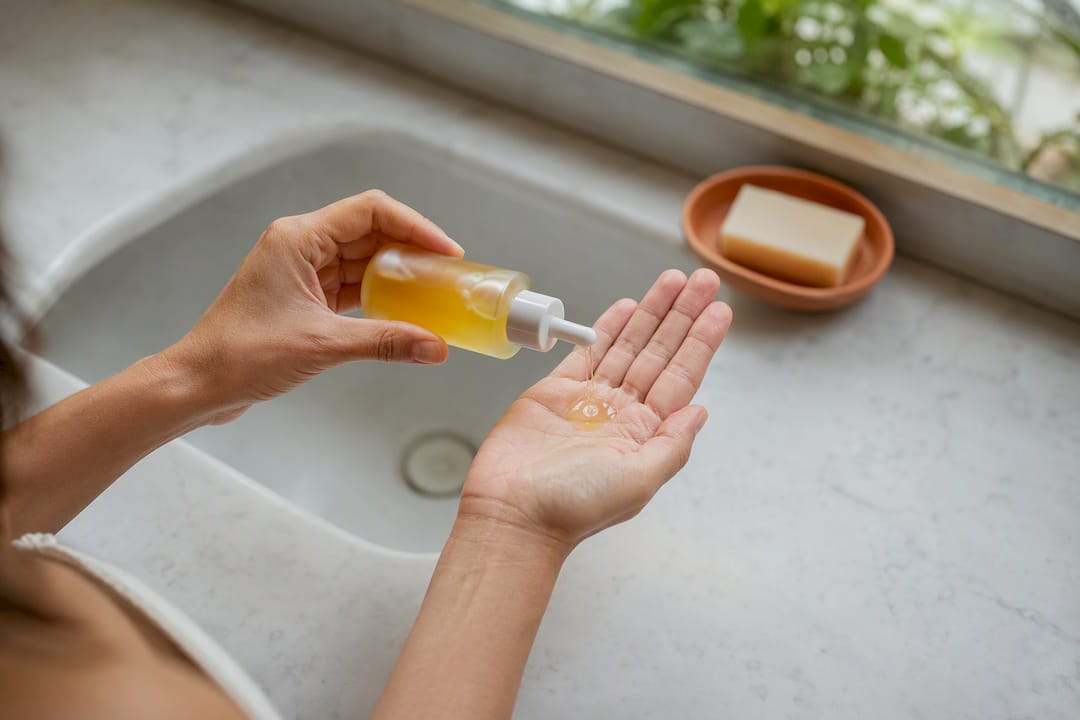
Storage matters more than people assume. Keep bar soap on a well-draining dish between uses so it doesn't sit in water and turn mushy or harbor bacteria. Liquid cleansers typically remain effective for a limited period after opening, usually several months, though a change in smell, color, or texture is your cue to replace the bottle regardless of the date.
Pro Tip: Always patch test a new cleanser on your inner forearm for 24 to 48 hours before your face. It's a two-minute step that can save you two weeks of irritation.
Are Natural and Vegan Face Soaps Worth the Trade-Offs?
Natural and vegan formulations appeal for good reason: fewer synthetic additives, cruelty-free production, and often a lighter environmental footprint. But "natural" isn't automatically gentler. Plant-derived botanicals and essential oils can be just as allergenic as synthetic fragrance, sometimes more so, since natural extracts carry unpredictable concentrations of active compounds. Anyone with reactive skin should treat a "natural" label with the same scrutiny as any other ingredient list.
Sustainability trade-offs run in both directions. Solid bars cut down on plastic waste dramatically, but formulating a bar that's genuinely gentle on facial skin, rather than just a repackaged body bar, takes real formulation care. Liquid cleansers generate more packaging waste but tend to offer more consistent, predictable performance, and refillable or concentrated formats are closing that gap.
When you're evaluating claims, look past the front-label buzzwords for:
- Cruelty-free certification, ideally from a recognized third-party body
- A vegan badge that covers the full formula, not just the headline ingredient
- Recyclable or refillable packaging, clearly stated rather than implied
Greenwashing is common enough that a vague "eco-friendly" claim without specifics is worth a second look. A guide to vegan skincare can help you separate real certifications from marketing language.
What Should I Expect to Pay for a Good Face Soap?
Price ranges roughly by positioning. Drugstore gentle cleansers typically run $8 to $18. Physician-recommended or clinical-grade formulas land between $20 and $40. Boutique natural and vegan brands generally sit in the $25 to $55 range, depending on active ingredients and packaging.
Before committing to a full-size bottle, run through this checklist:
- Is the full ingredient list posted on the product page, not just a summary?
- Are usage instructions specific (frequency, amount, technique), not just "apply as needed"?
- Does the retailer offer a return or trial policy if your skin reacts badly?
- Are there dermatologist or verified-buyer reviews you can actually read, not just star ratings?
Buy travel or sample sizes first whenever they're available, and hold off on subscribing to auto-ship programs until you've confirmed a cleanser works for at least a full month.
Which Yuka+Face Cleanser Should You Try First?
Every Yuka+Face cleanser follows the same core rule: gentle enough for daily use, formulated without synthetic fragrance where it counts, and built on vegan, cruelty-free ingredients.
- B3 Gentle Cleanser: A daily cream cleanser for dry, sensitive, or barrier-stressed skin. Built around niacinamide (vitamin B3) for barrier support, fragrance-free, and suited to twice-daily use for most skin types.
- Vitamin C Cleansing Oil: An oil-based first-step cleanser for melting off makeup and sunscreen. Vitamin C adds antioxidant support while the oil base avoids stripping surfactants, making it a strong fit for dry to normal skin and anyone building a double-cleanse routine.
- Exfoliating Face Polish: A gentle physical exfoliant for normal to oily skin looking to refine texture and clear congestion without the abrasiveness of harsh scrub particles.
- Cleansing Duo: A paired set combining a deeper first cleanse with a gentle follow-up, designed for anyone who wants a complete two-step routine without assembling it product by product.
| Product | Best for | Format | Key ingredients | Fragrance |
|---|---|---|---|---|
| B3 Gentle Cleanser | Dry, sensitive skin | Cream | Niacinamide | Fragrance-free |
| Vitamin C Cleansing Oil | Makeup/sunscreen removal | Oil | Vitamin C, plant oils | Light natural scent |
| Exfoliating Face Polish | Normal to oily, texture | Physical exfoliant | Gentle polish particles | Light natural scent |
| Cleansing Duo | Full two-step routine | Duo set | Combines B3 and polish actives | Fragrance-free / light scent |
If you're new to the lineup, start with the B3 Gentle Cleanser for daily use and add the Vitamin C Cleansing Oil as your makeup or sunscreen removal step. That combination covers the two situations most people actually need to solve: everyday cleansing and thorough end-of-day removal. Full formulation details live on the B3 Gentle Cleanser product page.
Why We Formulate This Way
At Yuka+Face, gentleness isn't a marketing angle, it's the starting point for every formula. Every cleanser we make leans on botanical research paired with the same evidence-informed principles dermatologists point to: barrier support first, aggressive stripping never. That means fragrance-free options where sensitivity calls for it, and active ingredients dosed to help skin rather than punish it.. Every product is vegan, cruelty-free, and made with an environmental conscience, because we don't think effective skincare and ethical skincare should be two separate categories.
Yuka+Face Makes Choosing the Right Cleanser Simple
Sorting through sulfate warnings, pH charts, and a dozen competing "gentle" claims takes real effort, and most people just want a cleanser that works for their skin without the research project. Yuka+Face solves that by building every formula around the same dermatologist-aligned principles this guide walks through: barrier support, fragrance-free options where needed, and ingredients dosed for results instead of marketing copy.
If dry or sensitive skin is your main concern, start with the B3 Gentle Cleanser for daily use. If you're dealing with makeup, sunscreen, or a heavier evening routine, pair it with the Vitamin C Cleansing Oil as your first step. Both fit naturally into a hydration and barrier restoration routine built for long-term skin health rather than a quick fix. Browse the full lineup and pick your starting pair on the Yuka+Face shop today.
Sources
- Face Washing 101 — American Academy of Dermatology (AAD)
- Is Using Bar Soap on Your Face Good or Bad? What to Know — Healthline
- The 8 Best Facial Cleansers of 2026 — Wirecutter (The New York Times)
- The 11 Best Facial Cleansers (2026): Expert Approved | Fortune
This article is general information, not a substitute for advice from a qualified doctor. Consult a qualified healthcare professional about your own circumstances before acting on anything here.
FAQ
What Is the Best Soap for My Face?
The best face soap is a gentle, fragrance-free cleanser matched to your skin type, whether that's a cream cleanser for dry skin or a mild foaming gel for oily skin, rather than one universal product.
What Face Soap Does a Dermatologist Recommend?
Dermatologists generally recommend a gentle, face-specific cleanser used twice daily with lukewarm water, avoiding scrubbing and choosing fragrance-free formulas for sensitive or eczema-prone skin.
What Is the Healthiest Way to Wash Your Face?
Wash with lukewarm water and a gentle cleanser for a short duration using your fingertips, then pat dry, following the routine the AAD outlines for daily skin health.
Can I Use Regular Bar Soap on My Face?
Standard body bar soap tends to be too alkaline and drying for facial skin; a syndet bar specifically formulated for the face is a better alternative if you prefer a solid format.
Which Yuka+Face Cleanser Should I Try First?
Most people should start with the B3 Gentle Cleanser for daily use, adding the Vitamin C Cleansing Oil if makeup or sunscreen removal is part of the routine.