TL;DR:
- Charcoal masks temporarily improve skin by adsorbing surface oils, dirt, and debris. They are most effective for oily and acne-prone skin but do not treat underlying causes of skin issues. Regular use enhances surface cleanliness and reduces shine but should be limited to prevent barrier damage.
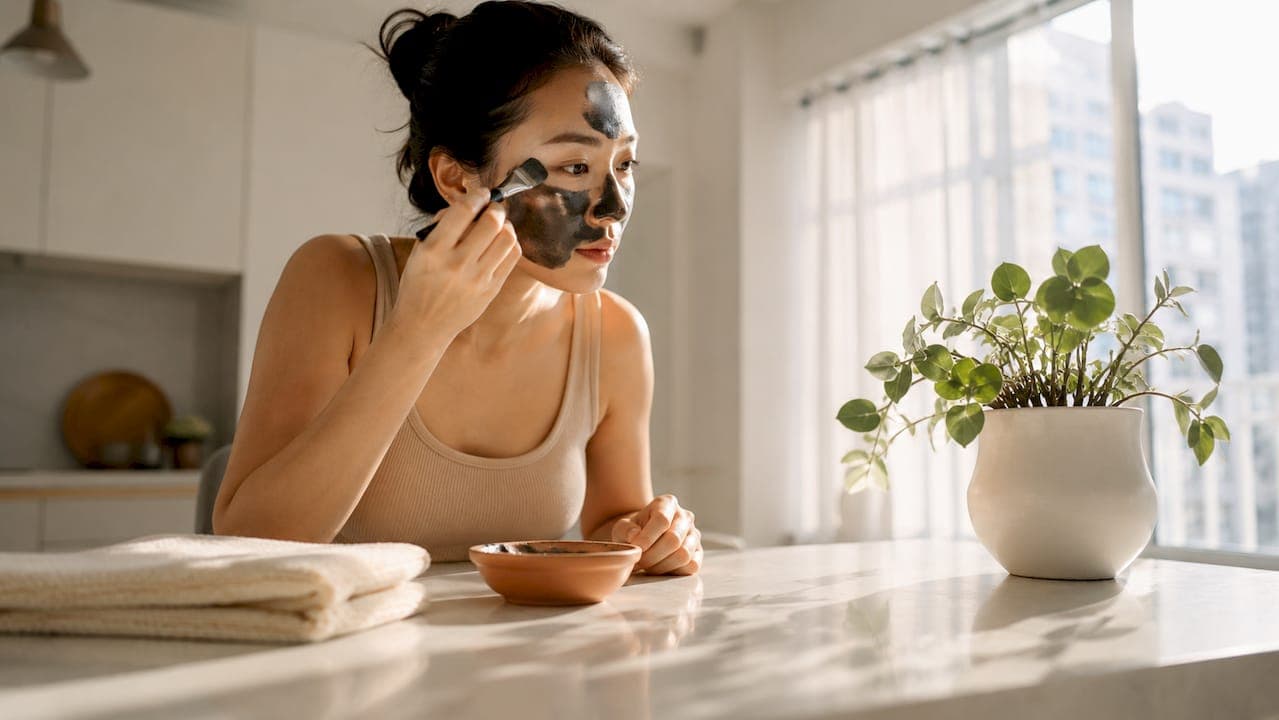
Charcoal masks are defined as topical skincare treatments that use activated charcoal's porous structure to adsorb excess oil, dirt, and surface impurities from the skin. The benefits of charcoal mask use are real but specific: clearer skin, reduced shine, and temporarily refined pores. These effects are cosmetic and surface level, not medical. Charcoal works through adsorption, a process where substances bind to the outer surface of the charcoal particle rather than being absorbed into it. Dermatologist Dr. Mona Gohara describes charcoal as acting like a vacuum for the skin, drawing out dirt and oil through electrical attraction. That mechanism makes charcoal masks most effective for oily, combination, and acne-prone skin types.
1. How charcoal masks work at the skin surface
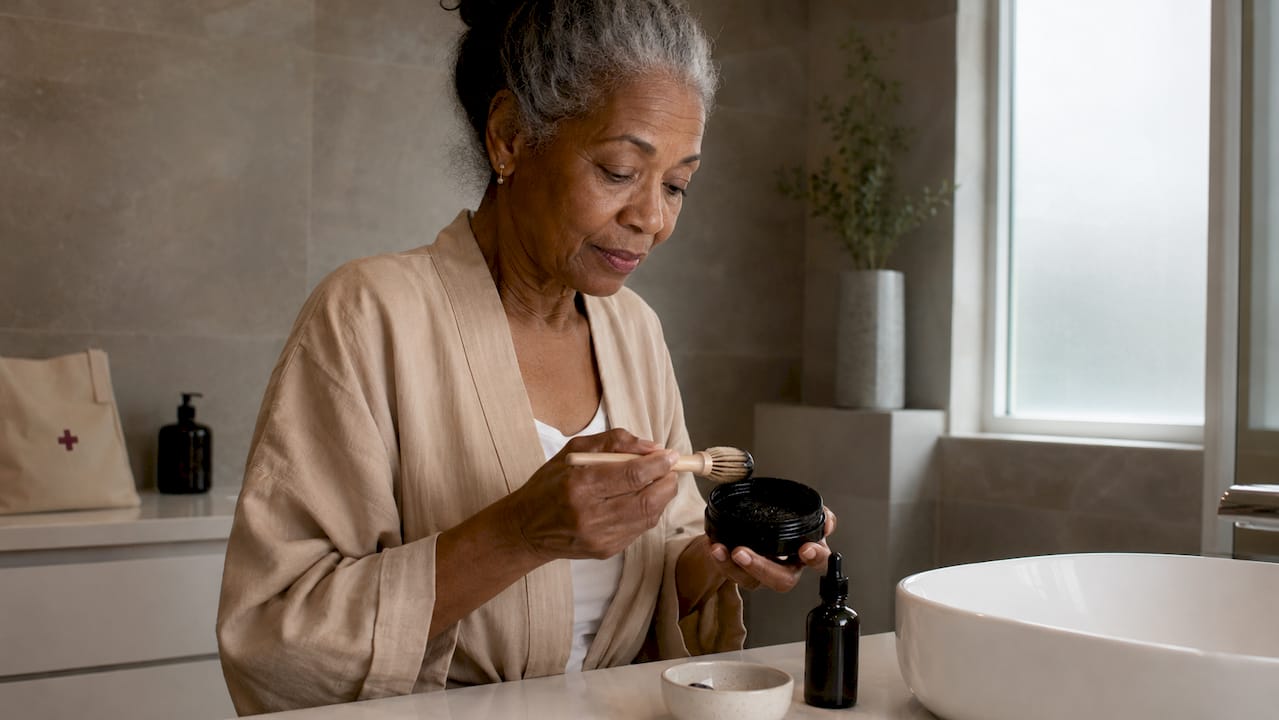
Charcoal masks operate through adsorption, not absorption. Adsorption means particles bind to the outer surface of the charcoal rather than being pulled inside it. This distinction matters because it defines exactly what charcoal can and cannot do for your skin.
Activated charcoal has an extremely porous structure, which gives it a large surface area for binding. When applied to skin, it attaches to oils, dead skin cells, and debris sitting on the stratum corneum, the outermost layer of skin. It does not penetrate the dermis or reach sebaceous glands.
"Charcoal's adsorption works exclusively at the skin's outer layer and does not penetrate sebaceous glands to influence sebum production or acne pathophysiology." — Skinoptimizer
This is the most important thing to understand about charcoal masks. They clean the surface. They do not treat acne at its root, alter hormone-driven oil production, or "detox" the skin in any clinical sense. Marketing often exaggerates these effects, so reading claims carefully protects you from unrealistic expectations.
Key mechanisms at work:
- Adsorption: Charcoal binds surface oils and debris without penetrating skin layers.
- Temporary effect: Pore refinement and decreased shine last roughly 24–48 hours before oil production resumes.
- Surface-only action: Sebaceous glands continue producing oil normally after use.
- No acne treatment: Charcoal does not address the bacterial, hormonal, or inflammatory causes of acne.
2. Oil and shine control for oily skin
Charcoal masks reduce excess surface oil by binding sebum before it oxidizes and clogs pores. For people with oily skin, this produces a noticeably matte, cleaner appearance within minutes of rinsing off the mask. The effect is real and consistent, even if it is temporary.
Oil production resumes within hours to days after use because charcoal does not alter sebaceous gland function. Think of it as a reset, not a cure. Used regularly as part of a routine, it keeps excess oil in check between deeper treatments.
Pro Tip: Apply a charcoal mask in the evening before a big event or after a sweaty day. The timing maximizes the matte effect when you need it most.
3. Temporary pore refinement
Charcoal masks make pores appear smaller by clearing out the debris that stretches them visually. Clean, empty pores look tighter. This is a cosmetic effect, not a structural change to pore size. Pore size is largely genetic and cannot be permanently altered by topical products.
For people bothered by visible pore appearance, a charcoal mask used once or twice a week delivers a consistent short-term improvement. Pairing it with a gentle exfoliant like salicylic acid extends the effect by keeping pores clear between mask sessions.
4. Blackhead appearance reduction
Charcoal reduces the appearance of blackheads by adsorbing the oxidized sebum sitting at the pore opening. That oxidized sebum is what gives blackheads their dark color. Removing it makes the skin look cleaner and more even.
Charcoal does not prevent blackheads from forming. Prevention requires actives like salicylic acid, which dissolves the sebum inside the pore before it oxidizes. Charcoal handles the surface result; salicylic acid handles the cause. Using both in a routine gives better results than either alone.
5. Targeted spot treatment for breakout-prone areas
Charcoal masks work well as a spot treatment on the T-zone, chin, or nose rather than as a full-face application. Applying charcoal only to oily or congested areas reduces the risk of drying out skin that does not need it. Dr. Gohara specifically recommends targeted use on breakouts rather than spreading the mask across the entire face.
This approach is especially useful for combination skin, where the cheeks may be normal or dry while the T-zone is oily. Spot application lets you treat congestion without stripping moisture from areas that are already balanced.
Pro Tip: Use a small brush to apply charcoal mask only to the nose, chin, and forehead. Leave the cheeks and eye area untouched to protect skin hydration.
6. Skin type suitability: who benefits most
Charcoal masks are best suited for oily, combination, and non-inflammatory acne-prone skin. These skin types produce excess sebum that charcoal can effectively bind and remove. The result is cleaner, less congested skin without the heaviness of oil buildup.
Dry and sensitive skin types should use charcoal masks with caution or avoid them entirely. Charcoal binds indiscriminately, meaning it removes beneficial lipids alongside excess oil. For skin that is already low on moisture, this can worsen dryness and trigger irritation. People with rosacea, eczema, or a compromised skin barrier should skip charcoal masks altogether.
7. What are the risks of overusing charcoal masks?
Overuse of charcoal masks compromises the lipid barrier essential for skin hydration and defense. When the barrier is damaged, the skin responds by producing more oil to compensate, which is the opposite of the intended effect. Inflammation and irritation follow.
Signs that you are using a charcoal mask too frequently include:
- Tightness or flaking after rinsing
- Increased redness or sensitivity
- Skin feeling drier than usual the day after use
- A sudden increase in oiliness (rebound effect)
Peel-off charcoal masks carry a higher irritation risk than wash-off formulas. Peel-off masks can cause barrier damage by mechanically stripping skin along with impurities. Wash-off formulas are safer for regular use.
8. Recommended usage frequency by skin type
Experts recommend using charcoal masks 1–2 times weekly for oily or combination skin. This frequency controls shine and congestion without depleting the skin barrier. Dry or sensitive skin types should limit use to once every two weeks at most, or avoid charcoal masks entirely.
Consistency matters more than frequency. One well-timed application per week, followed by proper hydration, produces better long-term results than daily use that strips the skin. Always follow a charcoal mask with a moisturizer containing glycerin, hyaluronic acid, or ceramides to restore what the mask removed.
9. How charcoal masks compare with other facial mask types
Charcoal masks occupy a specific niche among facial mask types. Understanding where they fit helps you choose the right tool for your skin concern.
| Mask type | Oil absorption | Best skin type | Hydration impact | Irritation risk |
|---|---|---|---|---|
| Charcoal mask | High | Oily, combination | Drying if overused | Moderate |
| Clay mask | High | Oily, combination | Drying if overused | Low to moderate |
| Hydrating mask | None | All types | Increases hydration | Very low |
| Peel-off mask | Moderate | Oily | Barrier stripping risk | High |
Clay masks and charcoal masks perform similarly for oil absorption. The main difference is formulation. Charcoal adds a visual appeal and mild bonus adsorption, but a well-formulated clay mask can deliver comparable results. Hydrating masks serve the opposite purpose and work well on the days between charcoal or clay treatments. For a broader look at facial mask types and how to match them to skin concerns, the options extend well beyond charcoal alone.
10. Formulation matters more than charcoal concentration
The efficacy and safety of charcoal masks depend more on the full formulation than on charcoal concentration alone. A mask with high charcoal content but no hydrating agents will strip skin aggressively. A mask that combines charcoal with glycerin, hyaluronic acid, and ceramides delivers the oil-clearing benefit while protecting the barrier.
When buying a charcoal mask, check the ingredient list for hydrating agents like glycerin and ceramides. Their presence signals a formula designed to balance charcoal's drying effect. Avoid formulas where charcoal is the only active ingredient with no supporting hydrators.
11. How to integrate a charcoal mask into your skincare routine
A charcoal mask works best as a complement to your routine, not a replacement for cleanser, moisturizer, or targeted treatments. Place it after cleansing and before applying serums or moisturizer.
Steps for effective use:
- Cleanse first. Remove makeup and surface dirt before applying the mask so charcoal can focus on pore-level impurities.
- Apply to damp skin. Slightly damp skin improves mask adhesion and reduces the risk of the mask drying out too fast.
- Leave on for 10–15 minutes. Longer is not better. Extended wear increases dryness without improving results.
- Rinse thoroughly with lukewarm water. Hot water increases irritation risk.
- Follow immediately with a hydrating toner or serum. Restore moisture before it escapes through the freshly cleared skin surface.
- Apply moisturizer. Lock in hydration with a product containing ceramides or hyaluronic acid.
When using charcoal masks alongside actives like retinoids or salicylic acid, do not apply them on the same night. Alternate treatments to avoid stacking irritants. For a complete framework, a structured morning skin care routine helps you place each treatment in the right sequence.
Key takeaways
Charcoal masks deliver real but temporary surface-level benefits, and their effectiveness depends entirely on correct formulation, skin type match, and usage frequency.
| Point | Details |
|---|---|
| Surface adsorption only | Charcoal binds oil and debris at the skin surface; it does not penetrate or treat acne causes. |
| Effects last 24–48 hours | Pore refinement and shine reduction are temporary; oil production resumes normally after use. |
| Best for oily and combination skin | Dry and sensitive skin types risk barrier damage and should use charcoal masks sparingly or not at all. |
| Formulation determines safety | Look for glycerin, hyaluronic acid, and ceramides alongside charcoal to protect the skin barrier. |
| Use 1–2 times weekly maximum | Overuse strips beneficial lipids and triggers rebound oiliness and inflammation. |
Why I think most people misuse charcoal masks
After years of working with skincare formulations and watching trends come and go, the pattern with charcoal masks is consistent. People reach for them expecting a deep cleanse or an acne solution. They use them daily. Their skin gets worse. They blame the product.
The product is not the problem. The expectation is.
Charcoal masks are short-term cosmetic tools. They are excellent at what they do: clearing surface oil, making pores look cleaner, and giving skin a temporary matte finish. That is genuinely useful. But they are not treatments. They do not change how your skin behaves long-term.
The skin types that benefit most are oily and combination, used no more than twice a week, with a proper moisturizer applied immediately after. That is the whole protocol. Anything beyond that and you are working against your skin, not with it.
The marketing around charcoal masks is dramatic. Black masks, "detox" claims, before-and-after photos. None of that changes the underlying science. Charcoal works at the surface. Dermatologists recommend it as a cosmetic maintenance step, not a treatment. That framing is the right one.
My practical advice: use a charcoal mask once a week on your oiliest areas, follow it with a solid moisturizer, and pair it with a salicylic acid product if blackheads are your main concern. Expect cleaner, less shiny skin for a day or two. That is a realistic and worthwhile result.
— Kelly
Charcoal masks and Yuka+Face natural skincare
Charcoal mask users tend to care about what goes on their skin. Ingredients matter. Formulation matters. That aligns directly with what Yuka+Face builds every product around: vegan, natural formulations created for all skin types.

The Yuka+Face Detox Charcoal Mask is formulated for mature and combination skin, pairing charcoal's adsorption with botanical ingredients that support the skin barrier. For readers building a complete routine around oil control and skin clarity, the Yuka+Face blog covers hydration, pore care, and plant-based skincare in depth. Every article is grounded in the same principle: effective skincare starts with honest ingredients and realistic expectations.
FAQ
What are the main benefits of charcoal masks?
Charcoal masks adsorb excess oil, surface dirt, and debris from the skin, producing cleaner, less shiny skin and temporarily refined pores. These effects are cosmetic and typically last 24–48 hours.
How often should you use a charcoal face mask?
Experts recommend using a charcoal mask 1–2 times per week for oily or combination skin. More frequent use risks stripping the skin barrier and triggering rebound oiliness.
Can charcoal masks remove blackheads permanently?
Charcoal masks reduce the appearance of blackheads by adsorbing oxidized sebum at the pore surface, but they do not prevent blackheads from forming. Actives like salicylic acid are needed for prevention.
Are charcoal masks safe for sensitive skin?
Charcoal masks are not recommended for dry or sensitive skin. Charcoal binds indiscriminately and can remove beneficial lipids, increasing dryness and irritation risk for already-vulnerable skin types.
What ingredients should a good charcoal mask contain?
The best charcoal masks combine charcoal with hydrating agents like glycerin, hyaluronic acid, and ceramides. These ingredients offset charcoal's drying effect and protect the skin barrier during use.